




Research & Nutrition
Food & Recipes
Innovation
Activism & Animals
Law & Policy
Wins & Culture
June 22, 2026
Ontario Court of Appeal reinstates ag gag law

Vegan Brief June 22, 2026

Ontario reinstates ag gag as EU makes €11.6B case for plant menus

Ontario's Court of Appeal reinstated core parts of the province's ag gag law, overturning the 2024 Charter victory that had protected farm undercover investigations

5 top stories 16 sources read 51 articles scanned 6 sides of vegan life
Lead story Ontario Court of Appeal reinstates ag gag law Read the story

The Quick List

Ontario's Court of Appeal reinstated core parts of the province's ag gag law, overturning the 2024 Charter victory that had protected farm undercover investigations [41]
Commissioned modeling for ProVeg International finds shifting EU public food procurement to 85% plant-based could generate €11.6B in annual savings across direct costs, healthcare, and climate [32]
A University of Barcelona review in Trends in Endocrinology & Metabolism finds palmitic acid (the dominant saturated fat in meat and dairy) promotes the cellular dysfunction behind type 2 diabetes, while oleic acid from olive oil appears to counter those effects [14]
GFI 2025 data: US plant-based milk hit 13% of total foodservice pound sales while meat analogs declined 7% overall [33]
University of Copenhagen researchers engineered a rapeseed press cake protein into a gel-forming food ingredient with potential for plant-based dairy applications [31]

The Rundown

Ontario's Court of Appeal reinstated the Security from Trespass and Protecting Food Safety Act, overturning a 2024 ruling that had found the ag gag law violated the Charter of Rights and Freedoms [41]. The law makes it an offense to conduct undercover farm investigations or for employees to document and expose animal abuse: in a country with no national farm animal welfare law and no government inspection of farm conditions, those were the only accountability tools that worked. On the science front, a review published in Trends in Endocrinology & Metabolism by researchers at the University of Barcelona synthesizes mechanistic evidence that palmitic acid, the dominant saturated fat in meat, dairy, and palm oil, drives the organelle dysfunction and insulin resistance underlying type 2 diabetes, while oleic acid from olive oil appears to run the opposite program [14][15]. Modeling commissioned by ProVeg International and conducted by Bryant Research argues the EU could realize €11.6B in annual savings by shifting 85% of public institutional food spending to plant-based menus, counting healthcare and climate avoided costs alongside direct food budget reductions [32].

01Law & PolicyStory

Ontario Court of Appeal reinstates ag gag law

Canada's most consequential province just made it illegal again to show Canadians what happens inside their factory farms.

What happened: the record

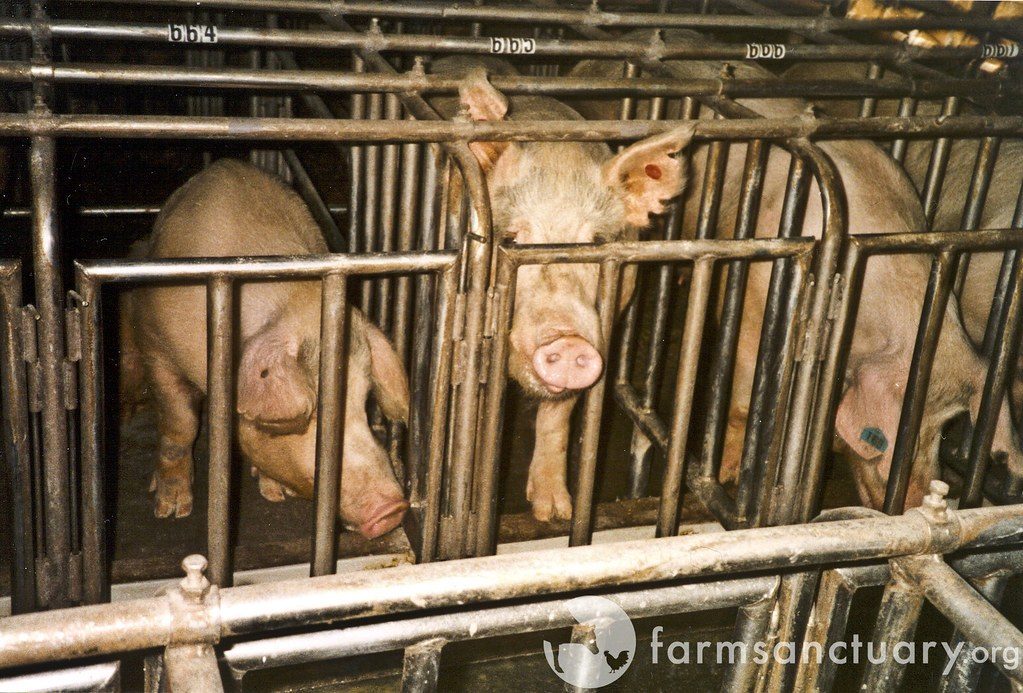
Ontario's Court of Appeal overturned a 2024 Ontario Superior Court decision and reinstated core provisions of the Security from Trespass and Protecting Food Safety Act, originally passed by the Ontario government in 2020 [41]. The law makes it an offense to access agricultural property under false pretences, which in practice targets the undercover investigations that have produced nearly all public footage of Canadian factory farming. Farm and slaughterhouse employees who witness animal abuse, document it, and choose to expose it also face significant penalties under the reinstated provisions. Animal Justice, which challenged the law alongside journalist Jessica Scott-Reid and animal advocate Louise Jorgensen of Toronto Cow Save, reports that the Superior Court had found the law violated Charter protections for free expression; the Court of Appeal has now reversed that finding. Animal Justice says it is seeking leave to appeal to the Supreme Court of Canada. Ontario is not alone: Alberta passed a similar law in 2019, and Manitoba and Prince Edward Island have comparable statutes. Canada slaughtered 863 million land animals for food in 2024, according to Animal Justice, the vast majority in factory farm conditions with no government oversight of their welfare [41].

Why it matters

Canada has no national statute governing the welfare of animals on farms and no inspection regime covering how they are treated. Undercover investigations and employee whistleblowers have been the primary mechanism producing accountability. The last legal investigation Animal Justice conducted in Ontario before the law came into force captured pigs beaten with pipes, piglets castrated without pain relief, and an illegal c-section performed on a conscious pig; the farm pleaded guilty to two animal cruelty offenses afterward [41]. With that mechanism reinstated as criminal conduct, the systemic abuse documented on film is exactly the kind of abuse that will go undocumented. Six comparable US laws have been struck down on constitutional grounds, which gives Animal Justice a precedent argument at the Supreme Court level. For 863 million animals, the appeal timeline is not an abstraction.

02Research & NutritionStory

Palmitic and oleic acid in type 2 diabetes

The molecular case against the fat that dominates most animal products is now thorough enough to explain the Mediterranean diet's protection at a cellular level.

What happened: the record

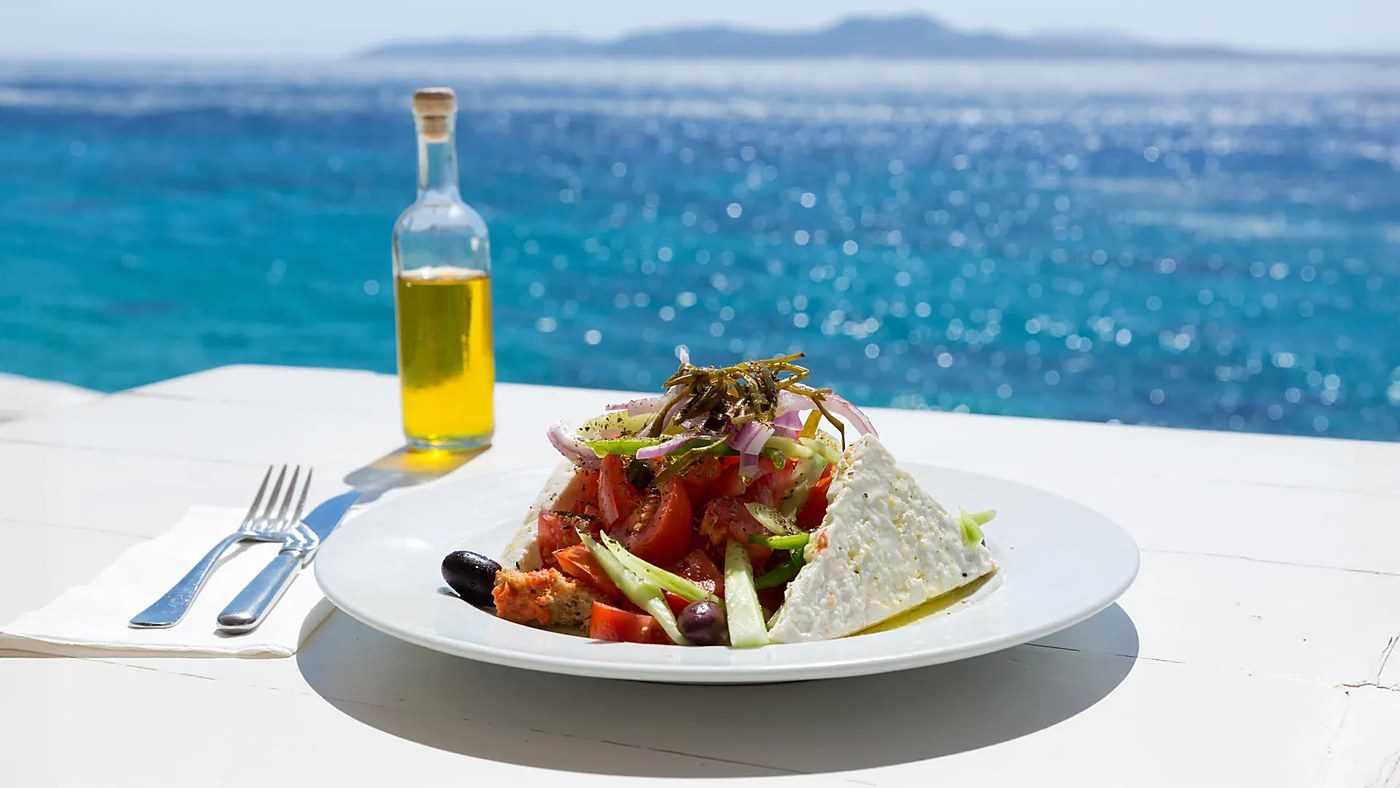
A review published in Trends in Endocrinology & Metabolism (Cell Press) in January 2026 by researchers at the University of Barcelona's CIBER Area for Diabetes and Associated Metabolic Diseases examined the contrasting cellular effects of two common dietary fatty acids on type 2 diabetes risk [14][15]. Palmitic acid, a saturated fat abundant in meat, dairy, butter, and palm oil, promotes the accumulation of toxic bioactive lipids, triggers low-grade chronic inflammation, and disrupts function in the endoplasmic reticulum and mitochondria, processes the authors link directly to impaired insulin signaling and metabolic disease progression. Oleic acid, the dominant monounsaturated fat in olive oil and present in avocados and most tree nuts, encourages fat storage in metabolically inert forms, preserves insulin sensitivity in the liver, muscle, and adipose tissue, and may counter several of palmitic acid's harmful cellular effects. The paper, led by first author Xavier Palomer and senior author Manuel Vázquez-Carrera, synthesizes existing mechanistic and observational evidence. It is a narrative review, not a randomized controlled trial, and it cannot establish how large a reduction in diabetes incidence a specific dietary substitution would produce in human populations [14].

Why it matters

A review paper is not a trial, and the authors call explicitly for more human research on fat source, dietary context, and food processing interactions before the findings translate into precise dietary guidance. What the paper does is consolidate the molecular mechanism explaining why populations eating more olive oil and less animal fat show lower type 2 diabetes risk in observational studies. Palmitic acid is the dominant saturated fat in beef, pork, chicken skin, butter, and most cheese. Replacing it with oleic acid from plant sources is what happens structurally when someone moves toward a plant-heavy, olive oil-forward diet. The evidence ceiling here is "mechanistically plausible and consistent with observational data," and that ceiling hasn't changed. The direction the evidence points has not changed [14][15].

03InnovationStory

Bryant Research analysis on EU plant-based public procurement

The EU spends €45B a year feeding its institutions. About half goes to animal proteins that generate €8.4B in annual climate damage. The fiscal math for changing that turns out to be persuasive.

What happened: the record

Bryant Research, commissioned by ProVeg International, modeled three scenarios for shifting EU public food procurement across schools, hospitals, universities, military, and other public institutions toward plant-based menus: 65%, 75%, and 85% plant-based spending [32]. The 85% scenario, informed by the EAT-Lancet Planetary Health Diet, would generate an estimated €11.6B in annual savings across three streams: €3.16B in direct food budget reductions from lower ingredient costs, €4.37B in avoided environmental externalities, and €4.08B in reduced healthcare and cardiovascular disease costs. The model projects a reduction of 8.9 million tonnes of CO2e per year, equivalent to removing 4.44 million cars from European roads, and the prevention of nearly 400,000 cases of long-term obesity. Schools are the largest driver of potential impact, accounting for 39% of institutional animal product consumption across the EU-27. Germany and France would each see an estimated €2.53B in combined annual returns. The analysis arrives as the European Commission prepares a revision of the EU Public Procurement Directive, expected later in 2026, and as the Commission has committed to creating a protein diversification strategy [32].

Why it matters

This is commissioned modeling paid for by an advocacy organization, which sits at a different evidential tier than independent peer-reviewed research, and the €11.6B headline requires accepting assumptions about how environmental externalities and healthcare costs are priced and attributed. Both sets of assumptions have precedents in EU-commissioned work: the bloc's own analysts have estimated diet-related disease linked to meat and dairy at roughly €452B in annual EU healthcare costs, and the EU's scientific advisory board has asked policymakers to promote plant-rich diets for climate reasons. The scenario modeling has an advocacy framing; the component numbers are grounded. The timing matters more than the specific figure: the procurement directive revision is underway, Denmark has already passed a livestock carbon tax and shifted its national dietary guidelines toward plant reduction, and the Commission has a protein diversification commitment on the record. ProVeg's specific asks are concrete: reclassify legumes as a core school meal category, mandate 25% organic sourcing, and default menus to plant-forward [32]. Concrete asks in an open policy window are worth tracking.

04InnovationStory

GFI 2025 US plant-based foodservice report

Plant-based milk took 13% of US foodservice pound sales. Most restaurant chains still have nothing plant-based on the protein menu.

What happened: the record

The Good Food Institute's 2025 US plant-based foodservice report, drawing on Circana broadline distributor data, found that plant-based milk dollar sales rose 16% in 2025, lifting its pound sales share of the total milk market to 13% [33]. Plant-based creamer reached 28% of total creamer pound sales and is now priced about 41% below its conventional counterpart, a price inversion GFI linked in part to coffee chains dropping plant-based dairy surcharges. Plant-based protein fell 7% in dollar sales and 5% in pound sales for the full category. Within that decline, some formats grew: plant-based pork rose 3% in pound sales, and chorizo crumbles, chicken nuggets, and pork crumbles all posted double-digit pound sales gains. Plant-based cheese fell 15% in both pound and dollar sales. A structural finding: only 8% of the top 250 US restaurant chains by revenue offer plant-based meat analog dishes, and another 7% offer non-analog plant protein only; 85% have nothing. Consumer research in the report found that over a third of plant-based meat-interested consumers had not ordered it recently because it was not on the menu, and 64% of plant-based meat diners at restaurant chains purchased it only once during 2025 [33].

Why it matters

The split here is structural. Plant-based dairy gained on a price and availability advantage: when surcharges dropped and the creamer price fell 41% below conventional, adoption followed without requiring a taste conversion. Plant-based meat never had that advantage and still faces a distribution gap before it encounters a taste or price problem. The 85% of chains with nothing on the protein menu is not a consumer preference finding; it is a menu access finding. The consumer research confirms it: people who wanted plant-based meat often could not find it [33]. Plant-based meat diners spend close to $2,000 per year at restaurant chains, about $500 more than the average diner, which means the chains ignoring this category are skipping a disproportionately high-value customer. The dairy numbers are an unambiguous structural gain. The meat numbers are a distribution problem with a distribution solution.

05InnovationStory

Leaps by Bayer and BCG study on Gen Z and cultivated meat

The generation most likely to try lab-grown meat is also the generation asking the most pointed questions about it.

What happened: the record

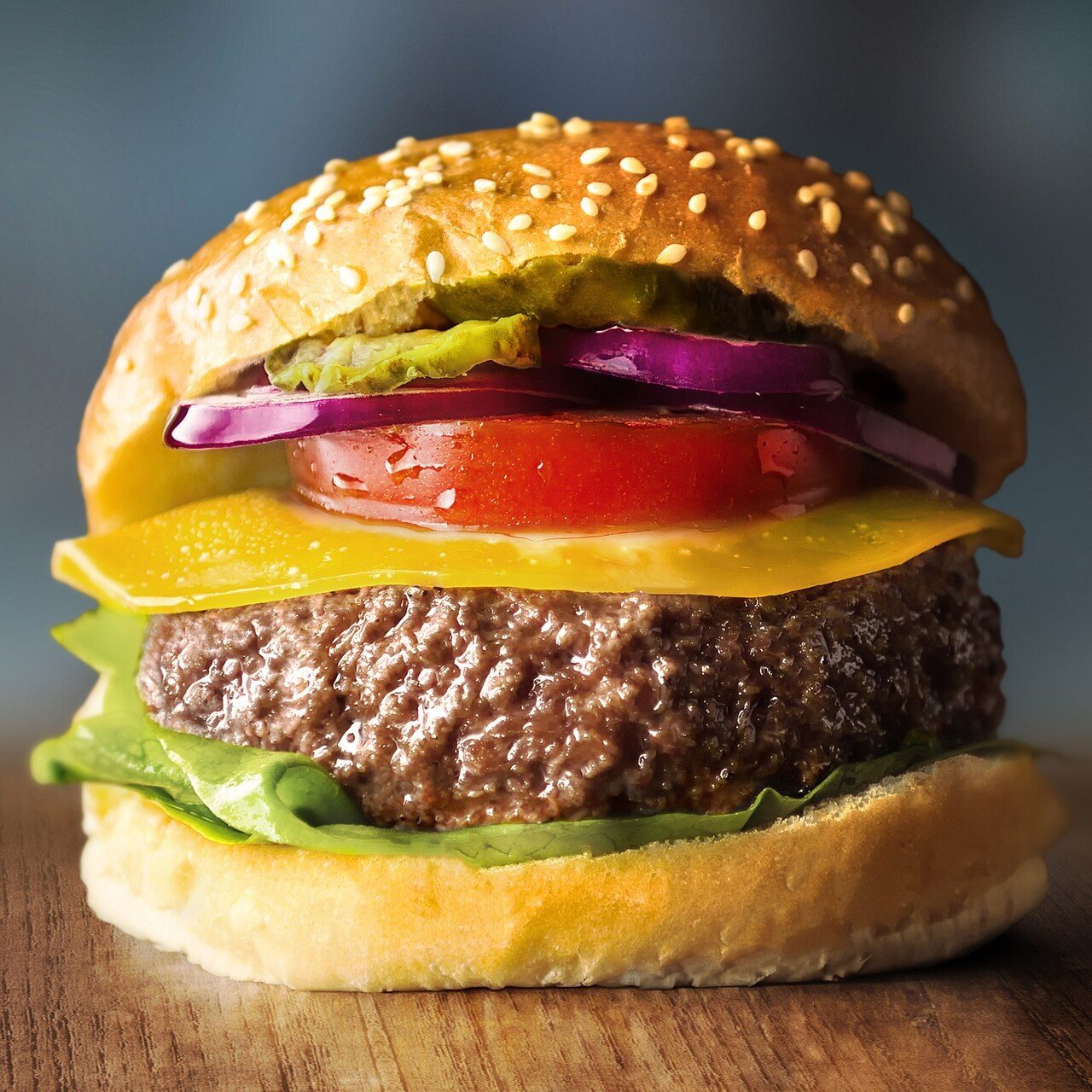
A study conducted by Leaps by Bayer, Boston Consulting Group, and Ipsos UK, building on a 2025 survey of more than 13,000 people across 13 countries, used in-depth interviews with consumers in China, the United States, and Germany to examine why different people respond to cultivated meat the way they do [30]. The 2025 baseline found 39% of global respondents held positive views of cultivated meat, 19% negative, and 40% undecided, the highest proportion of undecided responses of any technology examined. Gen Z expressed willingness to try it at 46%, compared with 35% of Gen Xers and 27% of baby boomers. The new research identifies three consumer types: optimists (who see cultivated meat as an animal welfare and climate solution), rationalists (who require verified safety data, taste parity, and robust life cycle assessment results before forming a view), and sceptics (who view it as unnatural and too distant from traditional food). Gen Z concentrates at the optimist end but with conditions that go beyond optimism: they want transparent labeling and independently verified environmental claims. A recent industrial-scale LCA cited in the report estimated cultivated meat's carbon footprint at 3.3 to 6.6 kg CO2e per kg of product, which at renewable energy-powered production rates would represent a 95% reduction against conventional beef and a 55% reduction against pork; the LCA evidence base for commercial-scale production remains limited and the footprint advantage over beef narrows significantly under conventional energy mixes [30].

Why it matters

The 95% carbon reduction claim is tied to renewable energy inputs, and that matters: under a conventional grid, multiple peer-reviewed LCAs show the advantage over beef shrinks considerably, and the comparison to chicken becomes less favorable. The energy source is not a detail. Gen Z's conditional openness is commercially significant regardless, because they are the primary launch demographic for the next decade of food technology products. The research's insight that their hesitation is "forward-looking rather than nostalgic" is the signal worth taking seriously: they are not opposed to innovation in food, they are asking for honest accounting of what that innovation actually does. That is a surmountable bar for companies that publish third-party verified impact data. Companies relying on press release claims will not reach them [30].

Food & Recipes

  • This weekend's recipe: vegan key lime pie bars from Southern Vegan via VegNews swap full-fat coconut milk and cornstarch for the traditional egg yolk filling; chill for at least four hours until firm and creamy [19]
  • VegNews breaks down every miso variety from sweet shiro to dense hatcho, via Ayo Edebiri's miso butter pasta with furikake breadcrumbs from Vogue's "Now Serving" series [17]

Activism & Animals

  • New Nature modeling by Wunderling et al. warns that Amazon deforestation past 22-28% of the biome combined with just 1.5°C of additional warming could push 62-77% of the forest toward instability, directly threatening the rainfall that sustains South American agriculture [34]
  • Three greater flamingos in Sri Lanka's Mannar lagoons died recently after power cables slashed their necks mid-flight; the IUCN recorded 464 flamingo power line deaths in South Africa alone between 1997 and 2019 [35]
  • Antarctica's Roaldia revoluta moss has been assessed as regionally endangered with roughly 80 mature individuals on the continent, and zero occurrences inside any of Antarctica's 74 Specially Protected Areas [37]

Innovation

  • Canada's Bill C-35 imposes tighter forced labor documentation on textile importers, arriving the same week the government dismantled its main overseas corporate human rights watchdog [26]
  • Taiwan's Control Yuan found the country's labor inspection system "structurally inadequate" to identify forced labor in its textile factories and called for an independent third-party complaint mechanism with real financial remedies [27]

Law & Policy

  • Denmark is running three concurrent Salmonella investigations; a multi-country outbreak linked to instant noodles imported through Poland has reached 83 confirmed cases across 10 European countries [43]
  • New World screwworm has confirmed infestations in up to 12 Texas cattle operations; Texas Agriculture Commissioner Sid Miller is calling for adult fly suppression via the SWASS bait system alongside the USDA's current sterile fly release program [47]

Research & Nutrition

  • Critically ill patients with vitamin D levels below 20 ng/mL showed a 13% lower mortality risk with supplementation in a new meta-analysis of RCTs, though the benefit was not consistent across all dosing and delivery subgroups [3]
  • High-fiber, plant-diverse diets reduce antibiotic resistance gene proliferation in the gut by restoring competitive microbial communities that crowd out resistant species, per a new conceptual review in Frontiers in Nutrition [9]

Wins & Culture

  • Plant Based News rounds up nine summer raspberry recipes including a chickpea fudgy brownie and a flourless dark chocolate pistachio torte; both are fully plant-based and worth the weekend bake [50]

At the University of Copenhagen's Department of Food Science, researchers working within the €8.17M Seedfood project have fixed a problem that had been blocking an important path in plant-based dairy. Napin makes up about 20% of rapeseed's mature protein content and has historically resisted gelation, limiting its usefulness as a food ingredient [31]. By using an enzyme to convert specific glutamine residues to glutamates, the team changed the protein's electrical charge enough that napin now forms a gel under acidic conditions, which is exactly what dairy alternatives require. The global rapeseed harvest leaves behind roughly 70 million tonnes of press cake every year, nearly all of it fed to animals. The Seedfood project's founding thesis is that converting that byproduct into human food at scale could cover the protein requirements of 700 million people. That math requires many steps that have not happened yet. But the gelation problem that was blocking the path has now been solved, and the work, published in Food Chemistry and backed by the Novo Nordisk Foundation, is real peer-reviewed science, not a press release. "This is fundamental research," said Marianne Nissen Lund, senior author of the study. "But it's an important step towards making plant-based proteins that are sustainable, functional and appealing."

Grape Muffins (Egg-Free)

Recipe of the day · Plant-Based on a Budget

Grape Muffins (Egg-Free)

These easy grape muffins are moist, fluffy, & loaded with sweet, juicy grapes throughout for a jammy treat!

35 min 12 servings 10 ingredients
See the ingredients
  • 2 cups all-purpose flour
  • ¾ cup granulated sugar
  • 2 teaspoons baking powder
  • ¼ teaspoon salt
  • 1 teaspoon ground cinnamon ((optional))
  • 1 cup plant-based milk
  • 2 teaspoons vanilla extract
  • ½ cup neutral oil ((such as canola or vegetable oil))
  • 2 teaspoons white vinegar or apple cider vinegar
  • 2 cups chopped seedless grapes
Get the full recipe at Plant-Based on a Budget →
Today in vegan history Canada Closes the Door on Cosmetic Animal Testing June 22, 2023 A budget bill in Ottawa did what a decade of campaigning hadn't quite finished: it made it illegal to sell a cosmetic in Canada that leaned on new animal-test data. Read the day in vegan history →