





Research & Nutrition
Food & Recipes
Innovation
Activism & Animals
Law & Policy
Wins & Culture
June 21, 2026
Mona Khalil and the sea turtle nests of Mansouri Beach

Vegan Brief June 21, 2026

Sea turtle guardian killed; 3,500 species at risk; Big Ag exposed

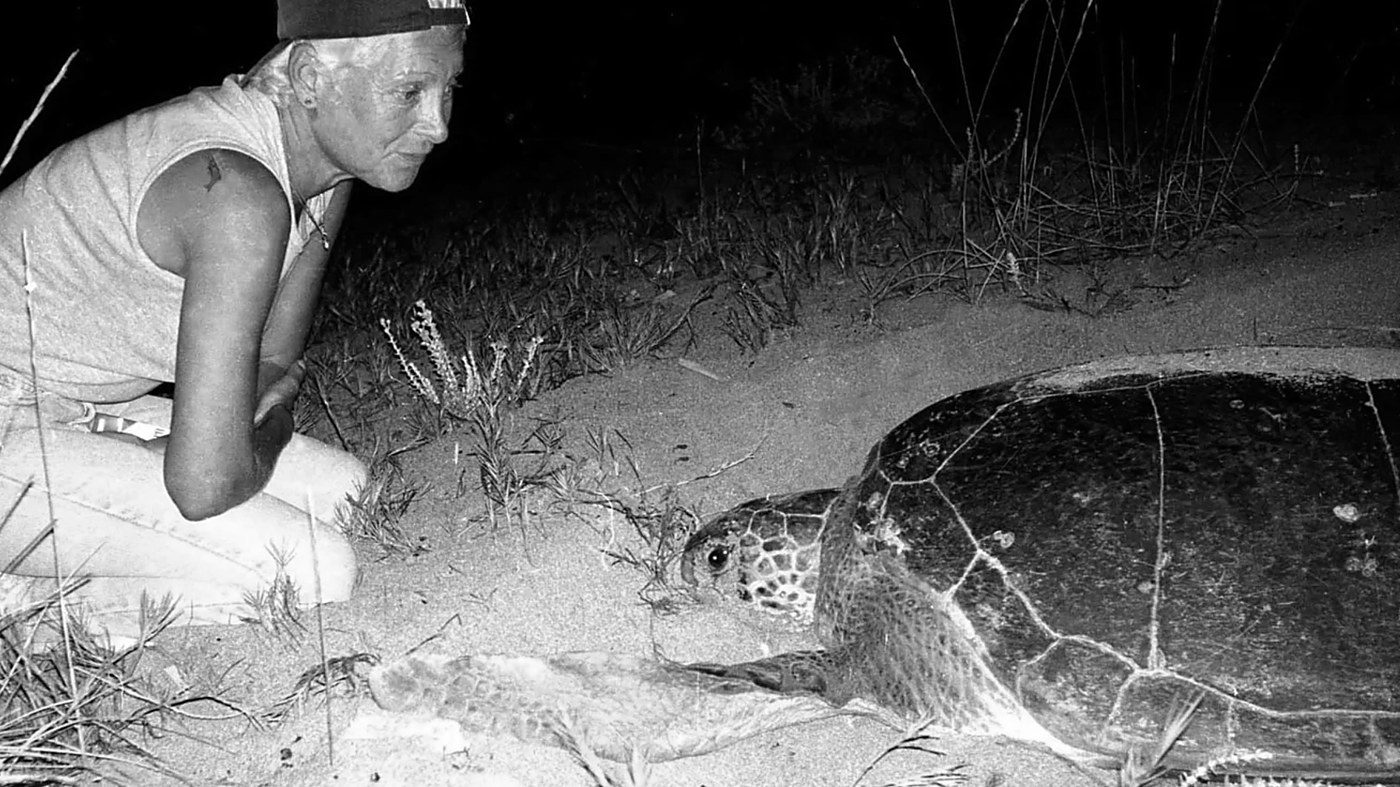
Mona Khalil, 76, who protected loggerhead and green sea turtle nests on Lebanon's southern coast for 25 years, died June 19 after an Israeli airstrike struck her home at Mansouri beach

5 top stories 13 sources read 20 articles scanned 6 sides of vegan life
Lead story Mona Khalil and the sea turtle nests of Mansouri Beach Read the story

The Quick List

Mona Khalil, 76, who protected loggerhead and green sea turtle nests on Lebanon's southern coast for 25 years, died June 19 after an Israeli airstrike struck her home at Mansouri beach [13]
A peer-reviewed BioScience study found more than 3,500 animal species are threatened by climate change, with ocean invertebrates especially exposed as oceans absorb 90% of global warming [8]
Big Ag is systematically running front groups, spreading disinformation, and pushing to criminalize animal advocacy in Canada, per an Animal Justice panel recap [15]
A Morning Consult survey found 36% of US adults incorrectly believe eating chicken reduces high cholesterol risk, the opposite of what the evidence shows [18]
NYC's new wildlife advisory law promises humane treatment for urban animals, but advocates warn geese are being rounded up right now during molting season [17]

The Rundown

Mona Khalil died June 19 from wounds sustained after an Israeli airstrike hit her home at Mansouri beach in southern Lebanon, ending 25 years of protecting loggerhead and green sea turtles on one of the coast's last viable nesting grounds [13]. She was 76. She had survived a 2006 strike that cost her some of her hearing, refused to leave during the current war, and believed her civilian status would protect her. It did not. Alongside that loss, a BioScience study led by Oregon State ecologist William Ripple found more than 3,500 animal species are now threatened by climate change, ocean invertebrates especially, since most cannot flee warming water [8]; and the Oxford LEAP project (Scarborough et al., Nature Food, 2023) had already shown vegan diets generate about 75% fewer greenhouse gas emissions than high-meat diets across 55,504 diets and 38,000 farms in 119 countries. In Canada, Animal Justice documented how Big Ag builds front groups, deploys coordinated disinformation, and pushes to legally suppress the people trying to expose it [15].

01Activism & AnimalsStory

Mona Khalil and the sea turtle nests of Mansouri Beach

Twenty-five years of patient, exacting conservation on a narrow strip of Lebanese coast, and she stayed to the end.

What happened: the record

Mona Khalil died on June 19, 2026, from wounds sustained after an Israeli airstrike struck her home at Mansouri beach in southern Lebanon [13]. She was 76. Her assistant was also injured, suffering severe burns. Khalil had built and run the Orange House, a family farmhouse she converted into a conservation project and guesthouse, for more than 25 years; she named it after the Netherlands, which had sheltered her during Lebanon's civil war [13]. Born in Lagos to Lebanese parents, she later worked as a porcelain restorer in the Netherlands and could have stayed. In 1999, while walking near the shore one night, she heard a sound in the sand and saw a sea turtle laying eggs. She learned the beach was one of the last significant nesting grounds in southern Lebanon. In 2000, after Israel withdrew from the area, she returned permanently [13]. She placed metal grids over nests to protect eggs from predators, moved clutches threatened by flooding, measured nests, counted eggs, recorded distances from the sea, and shared data with conservation groups. She fought dynamite fishers, developers, and polluters on the same beach. During the 2006 conflict, a strike hit her house and she lost some of her hearing. That year, with the beach emptied by fighting, turtles produced an unusually high number of nests [13]. She stayed through that, and the current war, too. Friends said she believed civilian status would protect her.

Why it matters

The loss is specific: one of the few people who knew every meter of Mansouri beach, kept its nesting records, and trained the volunteers who described themselves as her children is gone [13]. Conservation at this scale depends on individuals who are physically present, continuously, over years. It cannot be outsourced and it cannot be replaced quickly. The turtles will return without knowing any of this. A female that hatched there decades ago may rise from the Mediterranean this summer and find a metal grid set by someone Khalil taught. That is the precise mechanism by which this kind of work either holds or doesn't.
02Law & PolicyStory

Big Ag's disinformation machine, documented

Canada's animal agriculture industry doesn't just lobby. It funds fake independent groups and is pushing to make exposing it a crime.

What happened: the record

Animal Justice, a Canadian animal law nonprofit, published a recap of a panel it hosted examining how the animal agriculture industry protects itself through front groups, disinformation campaigns, and the criminalization of animal advocacy [15]. Speakers were Animal Justice's Corporate Engagement Manager PJ Nyman, independent scholar Dr. Elizabeth Schoales, and Advocacy Programs Specialist Dr. Tayler Zavitz. The panel documented how industry-funded organizations present themselves as independent voices on farm animal welfare, food safety, and nutrition; how those groups target education systems and youth audiences; and how government agencies in Canada have aligned with industry in ways that block reform [15]. Specific tactics documented include coordinated messaging campaigns, strategic pressure on corporate animal welfare commitments, influence over how media frames agriculture stories, and what the panel describes as the active repression and criminalization of animal advocacy in Canada, including legal consequences for undercover investigations of farm conditions [15].

Why it matters

Front groups cost real money and take years to build, and they work precisely because they muddy what the public can know about what happens inside factory farms [15]. When advocacy itself becomes legally risky, fewer people attempt it, fewer investigations reach the public, and less of the actual evidence of animal suffering ever surfaces. Animal Justice's documentation is worth noting not as a revelation but as a record: the tactics are named, sourced, and mapped. What the panel cannot answer is whether exposure alone changes anything at scale, or whether naming these tactics produces awareness that stops well short of the policy changes it would take to actually constrain them.

03Food & RecipesStory

Climate change is pushing 3,500+ animal species toward crisis, and what you eat is part of the math

The peer-reviewed case for plant-based eating now runs through threatened coral reefs and populations of starving whales.

What happened: the record

VegNews reported on a BioScience study led by William Ripple of Oregon State University's College of Forestry that examined publicly available data on 70,814 animal species across 35 classes [8]. Published in BioScience in July 2025, the study found more than 3,500 species are threatened by climate change and that in six animal classes, at least one quarter of species face climate-driven risk. Ocean invertebrates, including corals and mollusks, were identified as particularly vulnerable because most cannot relocate when water temperatures rise [8]. Ripple's team noted that during the 2015-2016 marine heat wave off North America's west coast, Pacific cod populations dropped 71%, roughly 4 million common murres starved due to altered food webs, and approximately 7,000 humpback whales died [8]. VegNews connected the ocean-warming crisis to diet through two studies: the Oxford LEAP project (Scarborough et al., Nature Food, 2023) found vegan diets produce about 75% fewer greenhouse gas emissions than high-meat diets (defined as more than 100g of meat per day), based on 55,504 diets and 38,000 farms across 119 countries; confirmed via (EcoWatch). VegNews also cited a 2024 study suggesting a plant-based flexitarian diet "could help decrease the risk of global warming by 50 percent," but did not provide the journal or authors for that figure, so it should be treated as a reported claim.

Evidence assessment: The BioScience species-threat study is peer-reviewed, published July 2025. The Oxford-LEAP study is peer-reviewed, published in Nature Food in 2023. The 50% global-warming-risk figure from the 2024 study lacks attribution in this article and cannot be verified from this source.

Why it matters

The solid evidence here is genuinely solid. Climate change is documented as a growing threat to thousands of species. Animal agriculture contributes roughly 14.5% of global greenhouse gas emissions, by the FAO's widely cited estimate, against aviation's approximately 2.5% [8]. The Oxford study established the diet-emissions gap across a large, internationally diverse dataset, and it holds regardless of where or how the food is produced. VegNews's synthesis connecting what you eat to what happens to coral reefs and cod populations is supported by the underlying science, even as it draws its own connections between separate studies [8]. The honest question is whether individual dietary change at anything like the scale needed actually moves the needle on ocean warming, or whether the gap between personal action and policy-level agriculture reform is simply too large to close from the consumer side.

04Law & PolicyStory

NYC says "humane wildlife management," and geese are being rounded up right now

The city passed a law with the right language. The molting season started last week.

What happened: the record

New York City enacted Intro 806-A, sponsored by Council Member Phil Wong, creating a wildlife management advisory board tasked with developing a citywide wildlife management plan with attention to biodiversity and "humane treatment of wildlife" [17]. The law was returned unsigned by the Mayor but was enacted regardless. Advocates focused on Canada geese are now calling on Mayor Zohran Mamdani to issue an Executive Order directing NYC Parks and the Department of Environmental Protection to stop cooperating with USDA APHIS Wildlife Services, the federal agency that conducts Canada goose roundups during molting season [17]. Molting season runs mid-June through mid-July, exactly when geese lose their flight feathers and cannot escape. Advocates say Wildlife Services rounds up geese at that window and trucks them to slaughter, and that the city has been granting access to parks and maintaining active work authorizations that enable those operations [17]. New York City once used carbon-dioxide gassing of rounded-up geese, a practice that drew significant opposition; advocates say similar methods continue in other states, including New Jersey [17]. The law creates an advisory board process; the roundups are underway.

Why it matters

The word "humane" in Intro 806-A is undefined, and that gap matters enormously. For advocates, "humane" means no lethal removal and no egg destruction; for agencies that have historically managed urban wildlife through culls, "humane" typically means "properly permitted." If USDA APHIS Wildlife Services helps write New York City's new wildlife plan, the version of "humane" they bring will shape what is normal and legal in city parks for years [17]. An Executive Order stopping city cooperation with federal roundup operations during molting season would cost nothing legislatively and would protect birds this summer while the advisory process unfolds. The Mayor has not issued one.

05Wins & CultureStory

One in three Americans thinks chicken is good for your cholesterol

The most commonly consumed meat in the United States is widely and incorrectly believed to protect the heart.

What happened: the record

Morning Consult polled 2,200 US adults in late May 2026 on behalf of the Physicians Committee for Responsible Medicine (PCRM) and found widespread confusion about diet and cholesterol [18]. Thirty-six percent of respondents incorrectly said eating chicken reduces high cholesterol risk; 26% said the same about red meat; 18% said eggs reduce the risk. One in five had no awareness of any connection between diet and blood cholesterol. About half correctly identified beans, whole grains, and soy as risk-reducing [18]. Cardiologist Dr. Heather Shenkman noted that Americans now consume over 100 pounds of chicken per year, more than double the 1980 level, and that "meat and dairy products, which also includes chicken, contribute to artery-clogging hyperlipidemia," a condition affecting roughly one in four US adults [18]. After learning about processed meat's cardiovascular risk, more than six in ten respondents said they would support tobacco-style warning labels on animal product packaging. More than half said they would be willing to try a plant-based diet to reduce or prevent high cholesterol [18]. In April 2026, the American Heart Association updated its cardiovascular guidelines to recommend more plant protein and less meat [18].

Evidence note: This is a survey commissioned by an advocacy organization. PCRM is a known plant-based advocacy group, and the framing of questions in advocacy-commissioned surveys should be read with that in mind. The underlying clinical claim, that chicken, red meat, and eggs raise LDL cholesterol, is supported by mainstream cardiology, including the AHA's current guidelines [18].

Why it matters

Thirty-six percent of the country eating chicken under the impression it is protecting their heart is a large number, and the mechanism it describes is not ideological opposition to plant-based eating but simple misinformation [18]. A public that does not know something is harmful does not push back on it, does not look for alternatives, and does not respond to campaigns premised on facts it has never encountered. The survey finding that a majority would try plant-based diets once informed is the more significant data point: it suggests the barrier is information, not values. The catch is that a 2,200-person advocacy survey is not a controlled study, and awareness campaigns rarely achieve the reach needed to shift population-level behavior at the scale the cholesterol numbers would require.

Wins & Culture

  • Try this first: Romy London's one-pan vegan taco skillet cooks quinoa, black beans, bell peppers, and spinach in a single skillet, then finishes under the broiler with vegan nacho cheese sauce; it serves four and holds up as meal prep [19]
  • Vegan content creator Mark Thompson (Mark Stache on YouTube) tripled his daily fiber intake from roughly 22g to 60-65g for a month while running 40 miles per week; by week two, his hunger had dropped so sharply that he sometimes forgot to eat after long training runs [20]
  • The American Heart Association updated its cardiovascular health guidelines in April 2026 to once again recommend more plant protein and less meat [18]; a December 2025 study also found plant-based diets can help prevent and reverse a specific type of heart disease in hypertension patients [18]

Activism & Animals

  • Richard Louv's new book "Noticing" (reviewed in Psychology Today's Animal Emotions column by Marc Bekoff) builds the case that "few of us protect what we don't love, and none of us love what we don't notice," a framing with direct implications for how animal advocacy builds its base [12]

Research & Nutrition

  • A Gastroenterology commentary revisiting the POWER obesity framework says GLP-1 drugs like Ozempic are reshaping treatment but are "only one piece of the puzzle," with precision medicine and combination therapies cited as the next frontier; plant-based diet as a primary intervention does not appear in this clinical framing [1]

Innovation

  • Gymshark is facing a proposed class action in New York over alleged FTC disclosure violations in its influencer program, including exclusive contracts barring influencers from endorsing rival brands without telling followers [11]

Food & Recipes

  • VegNews rounds up six brands of vegan condensed milk, including Nature's Charm (coconut and oat varieties), Let's Do Organic, Thai Coco, Biona, and Mementa (plain, vanilla, coffee, and strawberry flavors), plus a DIY version using coconut cream, sugar, vanilla, and salt [5]
  • Whipped tofu: blend firm tofu with plant-based cream until smooth, top with stewed cherry tomatoes and fresh basil; from "The Plant-Based 5 Ingredient Cookbook" via VegNews, it takes about 25 minutes [6]
  • Cilantro lime rice: rinse long-grain rice, cook in salted water, then stir in lime zest, lime juice, and finely chopped cilantro only after removing from heat so the lime stays bright; the copycat Chipotle formula from "It Doesn't Taste Like Chicken" works for burrito bowls all week [3]
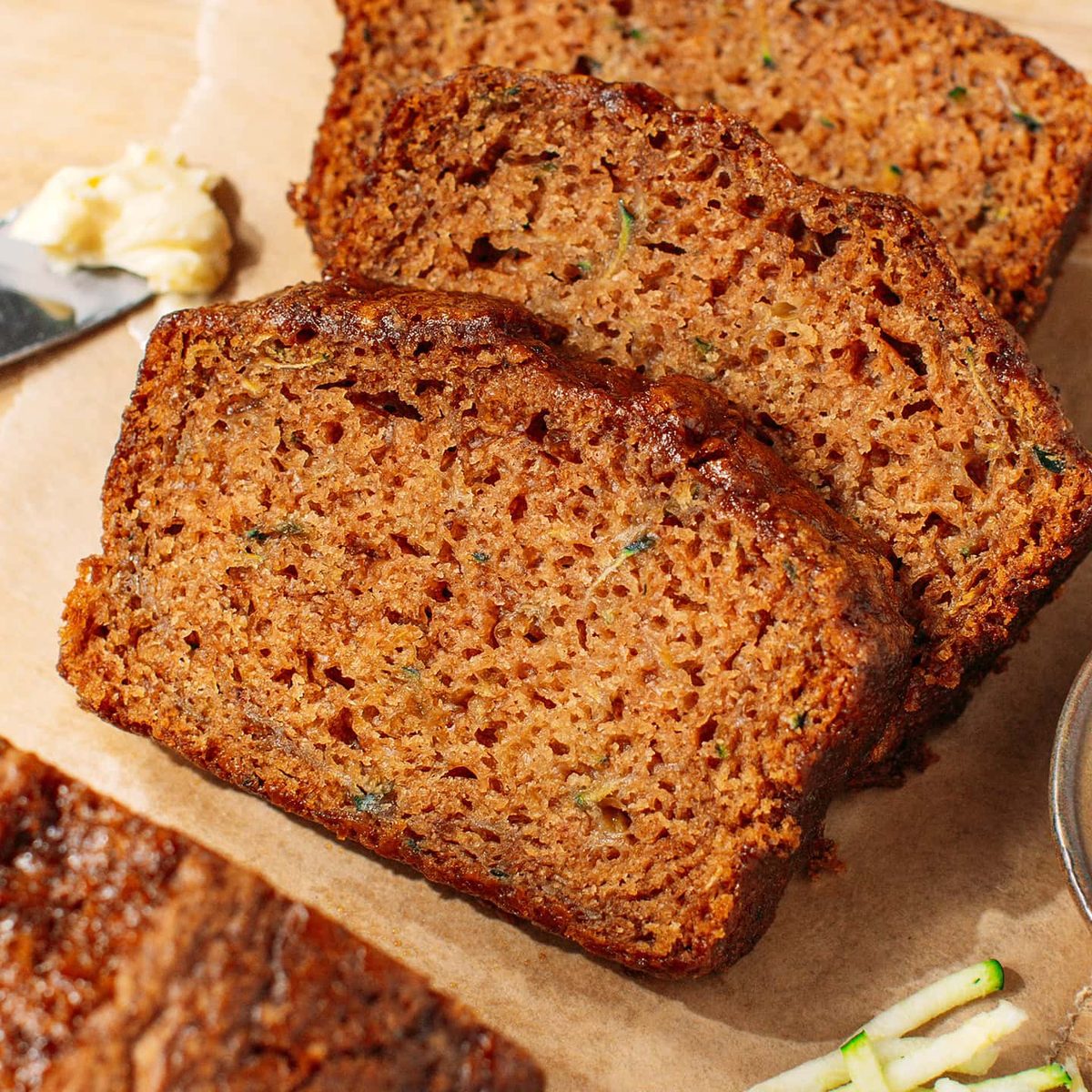
  • Full of Plants' vegan zucchini bread calls for grated (not squeezed) zucchini so the water stays in; light brown sugar caramelizes during baking, which is what keeps this version from going bland [2]
  • Grilled cinnamon pineapple with maple syrup salted caramel sauce and coconut ice cream from Rachel Ama's Vegan Eats cookbook via VegNews is a 30-minute summer dessert that works on a griddle pan [7]
  • Pesto-stuffed tomatoes filled with quinoa and mixed vegetables from the Storecupboard Vegan cookbook bake for 30 minutes and make a low-effort summer dinner [10]

Vegan marathon runner and YouTuber Mark Thompson set out to triple his fiber intake for 30 days, partly out of curiosity and partly because he realized, despite training 40 miles a week and eating mostly whole foods, he was only hitting 20-25 grams of fiber daily. Week one was, in his words, "loud" and "explosive." Week two brought something he had not expected: he stopped feeling hungry. He ate a wrap, skipped a planned dinner, completed a fasted hour-long run, and still had no interest in a second meal. By the end of the month his energy was steadier, his cravings had quieted, and he had lost two pounds without counting anything [20]. It's not a clinical trial. It's one person, one month, whole foods, psyllium husk, and a different tortilla. But it's specific, real, and replicable by anyone with a grocery store nearby, which is the kind of evidence that tends to actually move people.

Vegan Zucchini Bread

Recipe of the day · Full of Plants

Vegan Zucchini Bread

Make the most of summer zucchini with this vegan zucchini bread! Moist, tender, and just sweet enough, it's infused with cinnamon, nutmeg, and vanilla. Made with light brown sugar…

70 min 10 servings 13 ingredients
See the ingredients
  • 1 medium zucchini
  • 1 and 1/2 cup all-purpose flour
  • 1/2 cup light brown sugar
  • 1/4 cup granulated white sugar
  • 1 tsp baking powder
  • 1/2 tsp baking soda
  • 1 and 1/2 tsp ground cinnamon
  • 1/4 tsp ground nutmeg
  • 1/4 tsp salt
  • 1/3 cup oil
  • 8 tbsp unsweetened plant-based milk
  • 2 tsp vanilla extract
  • 1 tsp apple cider vinegar
Get the full recipe at Full of Plants →
Today in vegan history The USDA Clears Cultivated Chicken for Sale June 21, 2023 After years of asking whether meat grown from animal cells was even legal to sell, two California companies got their answer from the federal government itself: yes, starting now. Read the day in vegan history →