EFSA admits its novel-food lag; UK model ties meat cuts to health
EFSA says it needs faster, fit-for-purpose risk assessments for novel foods like cultivated meat, and the Good Food Institute wants them inside EU regulatory sandboxes.
4 top stories29 sources read122 articles scanned6 sides of vegan life
EFSA says it needs faster, fit-for-purpose risk assessments for novel foods like cultivated meat, and the Good Food Institute wants them inside EU regulatory sandboxes [54].
02
PETA says California put $500 million into a school kitchen program that districts can use to buy vegan foods and non-dairy milks [77].
03
A UK modelling study projects 4.5 million fewer chronic disease cases over 30 years if red and processed meat is halved, with most of the gain coming from the vegetables and legumes that replace it [58].
04
BioCraft's cultivated-mouse cat treat drew no statistically significant preference against Applaws in a 40-cat home trial [60].
05
Stella McCartney showed a Paris Fashion Week collection made without wool, leather, fur or feathers, including Spiber's Brewed Protein cashmere alternative [42].
06
GFI India's own survey of 414 affluent urban flexitarians found 94% intend to try cultivated meat, though they would pay at most 15–20% more than for conventional meat [61].
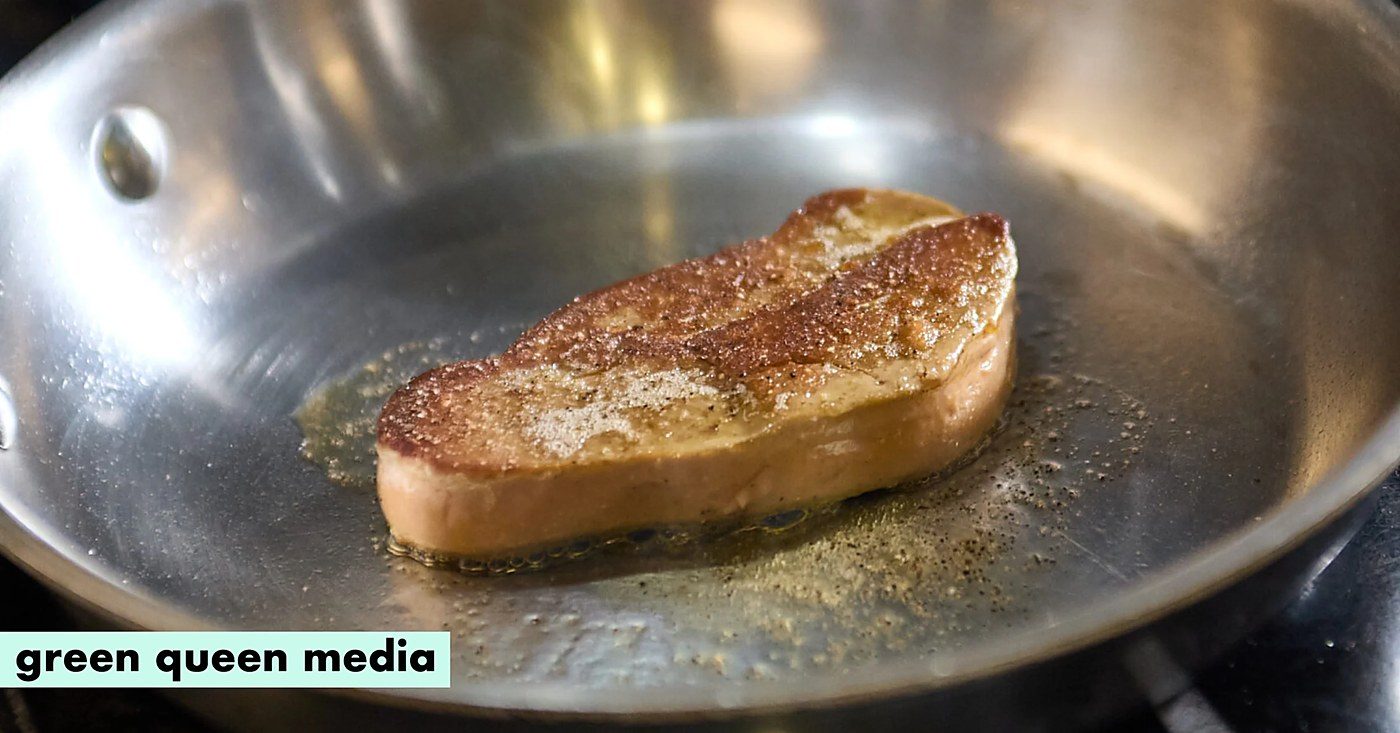
EFSA concedes its document-bound review process slows novel-food approvals
Photo: green queen
The European Food Safety Authority, in a paper in the EFSA Journal meant to inform its future strategy, names cultivated meat and precision fermentation among its priority scientific areas and says it needs faster, fit-for-purpose risk assessments [54]. It proposes a human-led, AI-enabled model to speed the work [54]. The Good Food Institute used the paper to argue novel foods belong in the EU's regulatory sandboxes, which the Commission proposed excluding, a decision Parliament and Council could still overturn [54].
“This limits reuse, slows assessments, increases manual burden and makes it harder to connect evidence across domains.”
PETA says California's $500 million kitchen fund can buy vegan school meals
Photo: peta
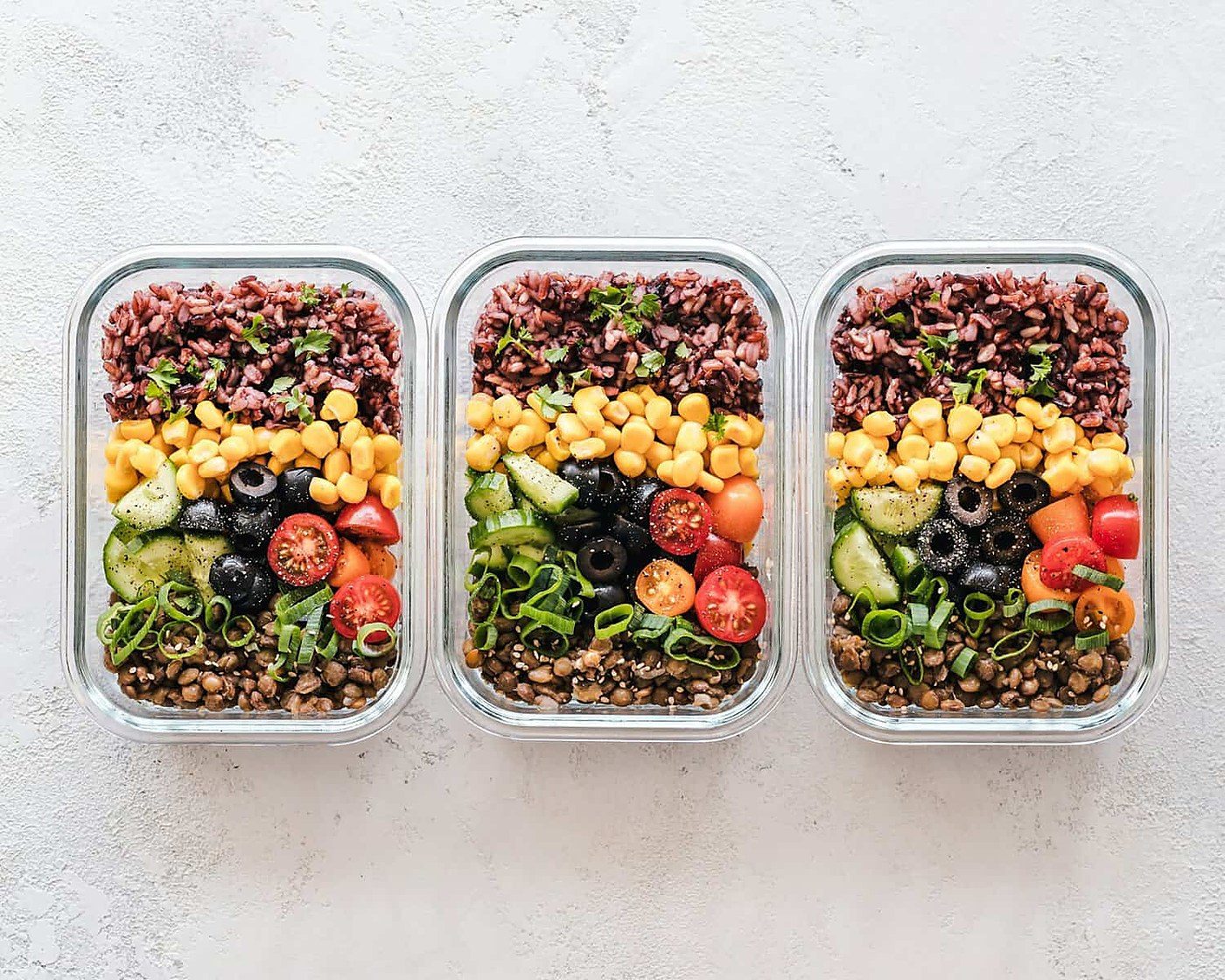
PETA says California has put $500 million into its Kitchen Infrastructure and Training (KIT) Program, and that schools can use the money to buy animal-free foods and non-dairy milks as well as modernize kitchens and expand meal programs [77]. The money is permission, not a mandate: PETA says districts add vegan meals when students, parents and community members ask for them [77]. No second outlet in today's pool confirms the figure.
By the numbers
$500 millionwent into California's KIT Program, per PETA [77]
FromPETA
03▬Research & NutritionStory
UK modelling study projects 4.5 million fewer chronic disease cases from halving red meat
Photo: vegconomist
A modelling study in the European Journal of Nutrition, led by Patricia Eustachio Colombo, estimated what the UK would gain by meeting Climate Change Committee meat-reduction targets with vegetables and legumes replacing red and processed meat [58]. Most of the projected benefit is fewer cases of heart disease and stroke, and about three quarters of the gains come from the added vegetables and legumes rather than the meat cut itself [58]. Plant-based meat alternatives were in the simulated diets but left out of the health calculations, because long-term evidence linking them to disease outcomes is missing [58].
“exploratory scenario estimates rather than predictions of real-world outcomes”
study authors, on how to read their figures · [58]
By the numbers
4.5 millionchronic disease cases projected to be avoided over 30 years from halving red and processed meat [58]
More than nine monthsadded to average life expectancy under a 50% cut [58]
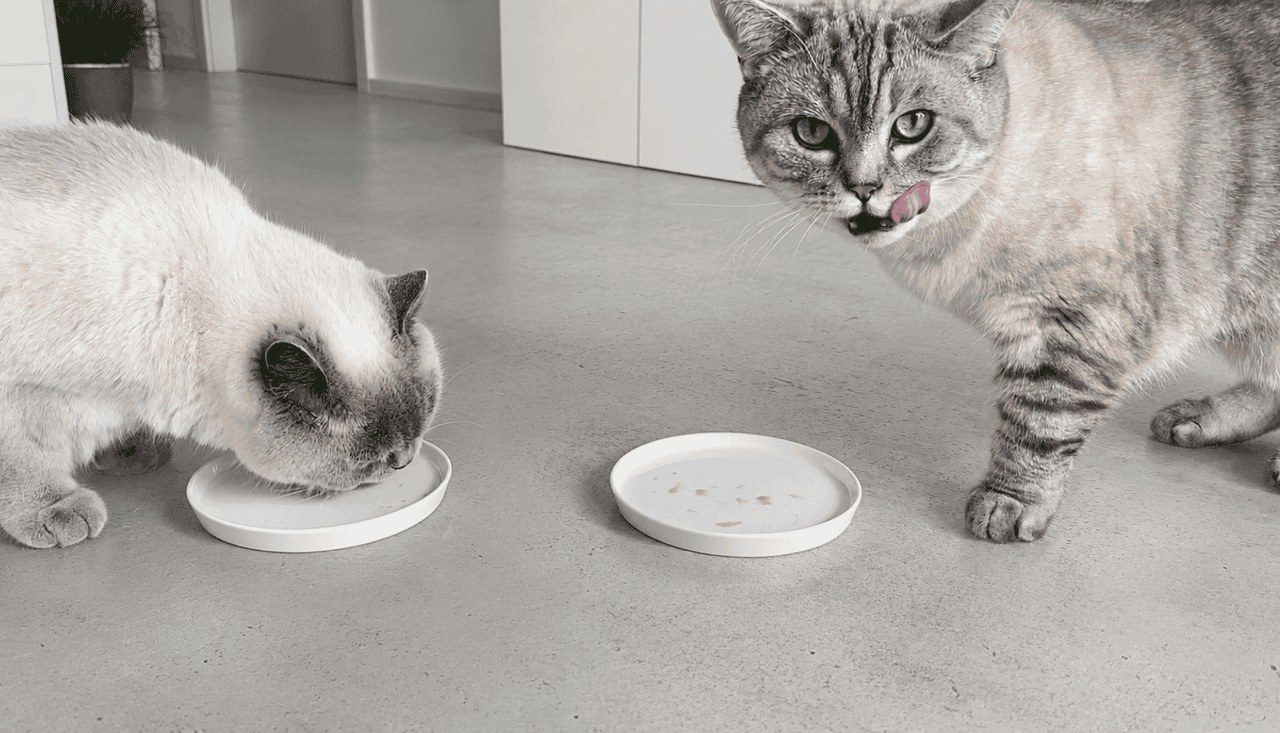
BioCraft's cultivated-mouse cat treat splits a 40-cat taste test with Applaws
Photo: vegconomist
BioCraft Pet Nutrition, which has mostly presented itself as an ingredient supplier, has built a finished lickable treat from its cell-cultured mouse ingredient and is offering the recipe to pet food makers to sell under their own brands [60]. In an independent two-bowl trial run in cats' own homes by German market research firm RPP, cats showed no statistically significant preference between it and Applaws Chicken Creamy Lickable Treat [60]. BioCraft says its earliest palatability trials with the ingredient went badly before it reformulated [60].
“Our earliest palatability trials with the ingredient transparently didn’t go very well.”
Dr. Shannon Falconer, BioCraft founder and CEO · [60]
“Seeing cats split their first bites right down the middle, with no statistically meaningful preference either way, tells us our new cell-cultured lickable treat can already compete on taste, not just on safety and sustainability.”
Dr. Shannon Falconer, BioCraft founder and CEO · [60]
By the numbers
17 of 40cats ate more of BioCraft's treat, 19 ate more of Applaws and 4 ate equal amounts [60]
Plate pick: MyForest Foods' mycelium steak, thinly sliced for cheesesteaks and Italian beef sandwiches, is in more than 500 Whole Foods Market stores nationwide, with the brand's whole portfolio on sale there through October 20 [34].
Wins & Culture
Footballer Chris Smalling, newly at FC Porto, said he has been vegan for nearly 10 years, and has said animal welfare is now a key motivator for him [105].
Innovation
Protein Industries Canada committed C$1.3 million to nine food companies reformulating around Canadian-grown pulses, oats and hemp, including a fava-bean fried tofu line at Big Mountain Foods [59].
Research & Nutrition
The Physicians Committee's Catharine Krebs co-edited a new textbook, Moving Toward Nonanimal Approaches in Research and Testing, laying out the funding, policy and culture changes needed to replace animal experiments [4].
Activism & Animals
The North Atlantic Pelagic Advocacy Group, a coalition of 58 seafood businesses, told mackerel fishing nations to treat new scientific catch advice as a floor, noting a 33 percent chance stocks still fall below safe limits within a year [92].
Wild African savanna elephants use more than 40 gesture types to tell rivals to move away or stop, and check that the recipient is watching first, according to a study in Animal Cognition [87].
One Good Thing
In April, a women-led ranger team at Patagonia National Park in Chile released 13 Darwin's rheas onto steppe that was sheep and cattle ranching country for more than a century, after Tompkins Conservation bought the land and pulled out thousands of kilometers of fencing [62]. The birds were grazing soon after release and had wandered kilometers away. A ranger with 10 years at the breeding center calls the rhea "the gardener of the steppe" for the seeds it spreads, which makes a flock of 13 a small restoration crew [62].





 vegconomist the vegan business magazine