

On this day in vegan history · October 10, 1978
Inspectors Get the Power to Stop the Slaughter Line
Congress decided a federal meat inspector's badge should mean more than checking for disease, it should mean the authority to shut the line down the moment cruelty starts.
The facts
- Signed
- October 10, 1978, as Public Law 95-445 (92 Stat. 1069)
- Bill
- S. 3092, the Humane Methods of Slaughter Act of 1978
- Phase-in
- Took effect one year later, with hardship cases allowed up to 18 additional months
- Mechanism
- Tied humane handling to the same USDA inspectors who already checked meat for federal inspection
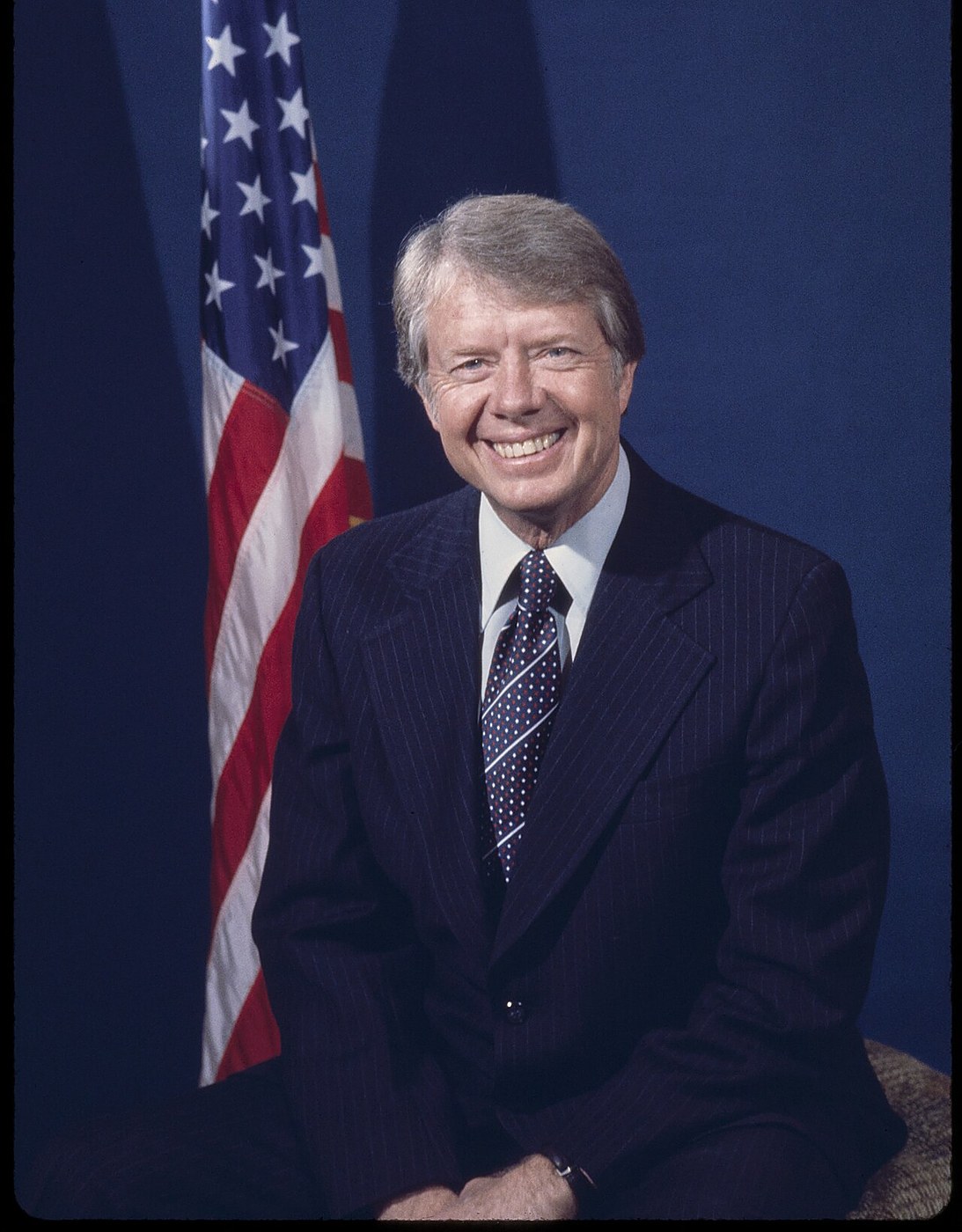
On October 10, 1978, President Jimmy Carter signed Public Law 95-445, tightening the 1958 Humane Slaughter Act by wiring its handling rules directly into the federal meat inspection system. The law gave the USDA inspectors already stationed on every slaughter floor, the same ones checking carcasses for disease, a second job: watching how the animal got there, with the power to stop the line the instant they saw cruelty. That stoppage was not a suggestion. The line stayed shut down until the problem, whether broken equipment or a worker's abuse, was actually fixed. Congress did not flip the switch overnight either; the new rule phased in over a year, with hardship cases allowed up to 18 more months to comply.
In their words
The day in the words of the people who were there. Every quote is verbatim, and every source links out so you can check it.
-
In 1979, the HMSLA was updated and United States Department of Agriculture (USDA) inspectors were given the authority to stop the slaughtering line when cruelty was observed.
Wikipedia, "Humane Slaughter Act" article, describing the phase-in of the 1978 law
Source: Wikipedia -
Officially, slaughtering was not to continue until said cruelty, whether as a result of equipment or of abuses by personnel, was corrected.
Wikipedia, "Humane Slaughter Act" article
Source: Wikipedia
Why it still matters
For the first time, humane handling was not a separate promise the industry could quietly ignore, it was bolted to the inspection stamp every slaughterhouse needed to sell meat across state lines. Whether the USDA actually kept using that stop-the-line power became its own long fight.
Sources
This history is still being written.
Every morning the brief covers what moved veganism forward, and every day one more verified piece of that story joins this almanac. Free, and tomorrow’s lands in your inbox.
Free, every morning. No guilt. No preaching.