01InnovationStory
EU Agricultural Commissioner commits CAP support to plant-based farming
The EU's most important agricultural budget framework is not yet rewritten, but the Commissioner writing it just said its direction out loud.
What happened: the record
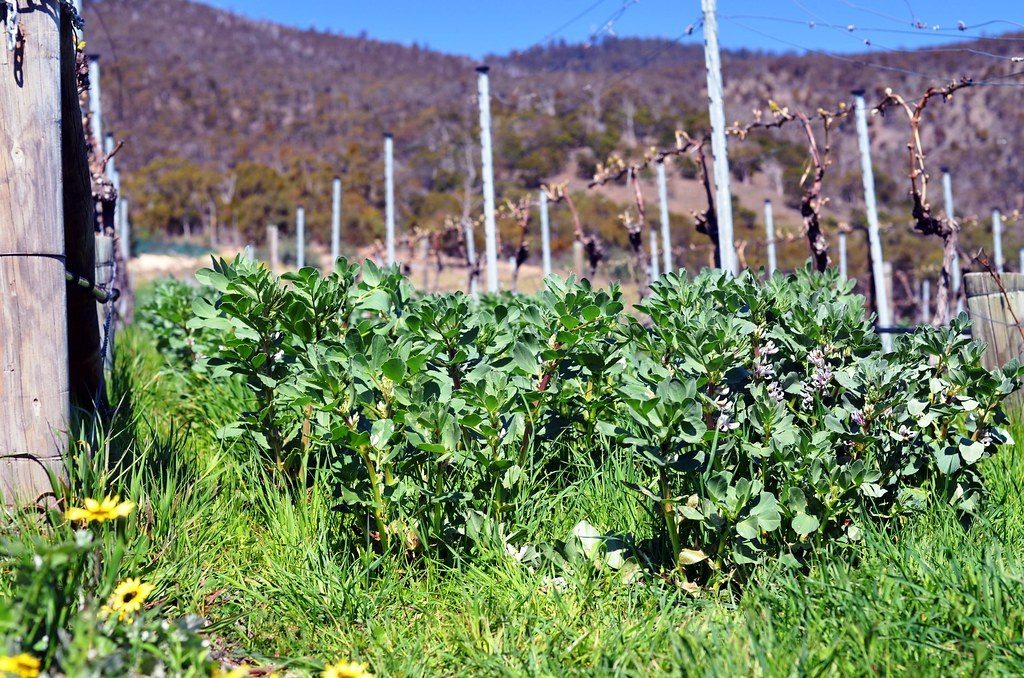
Commissioner Christopher Hansen delivered a keynote at a cross-party European Parliament event organized by a civil society coalition calling for an EU Action Plan for Plant-Based Foods [61]. Hansen stated: "We need to support farmers who are making EU agriculture more resilient through diversity. The next Common Agriculture Policy, the Common Market Organisation [regulation], and the soon-to-be-published Protein Plan will support this process. The political direction is clear." A new report, "Growing Resilience," presented at the event documents 33 farmers across 18 EU member states who have diversified into plant-based farming, introducing crops including soy, fava beans, oats, hemp, and hazelnuts. Two-thirds of those farmers reported improved quality of life from the shift; 43% reported a positive economic impact [61]. Nearly 40% began diversifying after 2020, with 12% switching fully to plant-based production. Animal proteins like meat and dairy account for 81 to 86% of the EU's embodied greenhouse gas emissions and occupy 71% of its farmland, despite supplying 32% of its calories, according to the report [61]. The Protein Plan remains unpublished, with no confirmed release date.
Why it matters
Previous EU agricultural officials discussed protein diversification in general terms. Hansen named specific budget frameworks by name, in a public setting with parliamentary witnesses. That specificity raises the political cost of retreat: a Commissioner's explicit language about CAP and CMO is harder to quietly drop than a general aspiration. The barriers those 33 farmers cited are structural, including debt, seed availability, market access, and lack of advisory support, and none of those are solved by political direction alone [61]. The EU's record on animal welfare commitments is also relevant here; five years after the cage ban was promised to 1.4 million petition signatories, there is still no legislation [88]. What Hansen's speech does is make the plant-protein commitment a named, public pledge. Whether that holds when agricultural lobby groups engage the actual CAP negotiation is the question the plan's publication date will begin to answer.
---
02Activism & AnimalsStory
UK government releases two reports that contradict each other on meat
The Climate Change Committee called UK farming a climate failure on June 24. The government's own Farming Roadmap landed the same day and declined to recommend eating less meat.
What happened: the record
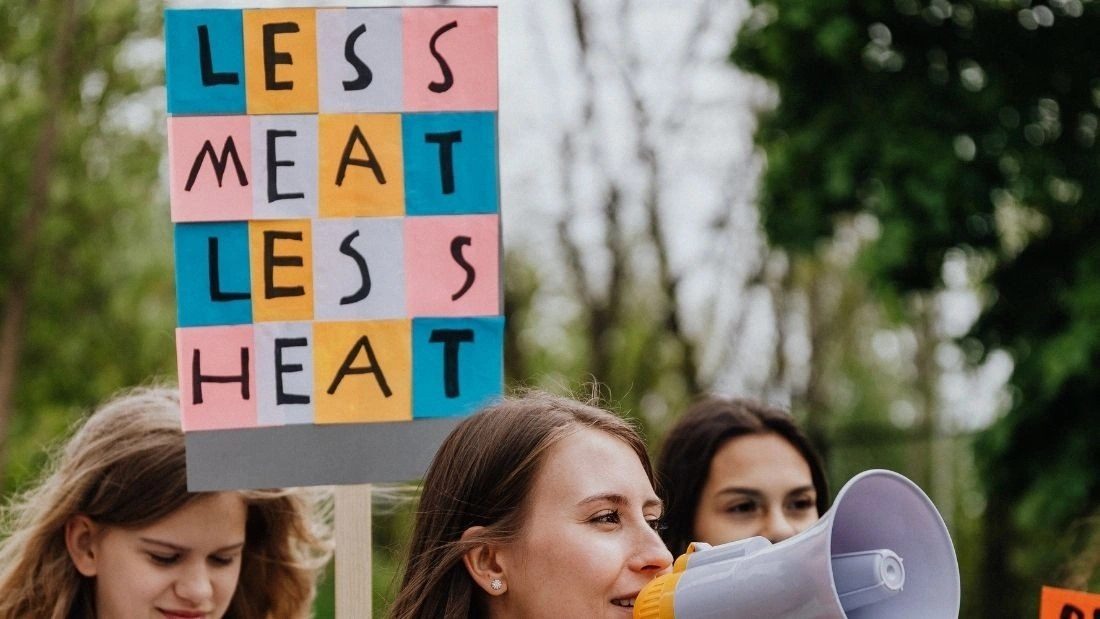
On June 24, 2026, the UK's Climate Change Committee published its Progress in Reducing Emissions 2026 report, identifying agriculture as a "major area of failure" and stating that the government's pathway "does not adequately address farmed animal numbers" and that ministers have "still not set any pathway for reducing meat consumption" despite the CCC's long-standing advice [85]. The same day, the UK government released its Farming Roadmap 2050, which acknowledges that "meat production is a significant contributor to greenhouse gases in the farming sector" but stops short of recommending dietary change. Its most forward-leaning suggestion: some farmers could "diversify into lower emission farming systems where appropriate, for example growing oilseeds and pulses as demand for plant-based foods increases" [85]. The UK Met Office also issued a Red Warning for extreme heat the same day. Telegraph columnist William Sitwell characterized that mild diversification language as a vision of "pyres across the nation, burning livestock." Viva!'s Tony Wardle stated: "These are scary times and no matter how much some people might like to think that veganism is not political, it is at the very heart of politics — and is why we are so reviled by many" [85]. Earlier this year, the government's own Nature Security Assessment warned that biodiversity loss and ecosystem collapse threaten UK national security, with animal agriculture as a major driver of land use and habitat loss [85].
Why it matters
Three government documents, published within months of each other, identify the same root cause and none of them recommend binding dietary targets. The CCC has issued the same advice for years. The Farming Roadmap's language on diversification was mild enough to produce an industry backlash anyway, which tells you something about where the political floor sits. The policy gap between what the science says and what gets legislated is wider in the UK than the published documents imply. For anyone tracking veganism's progress at the institutional level, the signal here is grim: the science is no longer in dispute inside government, and the policy response still is not coming.
---
03Research & NutritionStory
A single high-fat meal impairs your arteries for hours, and your lungs too
The research has been there for years. Most people spend 16 hours a day in the post-meal state.
What happened: the record
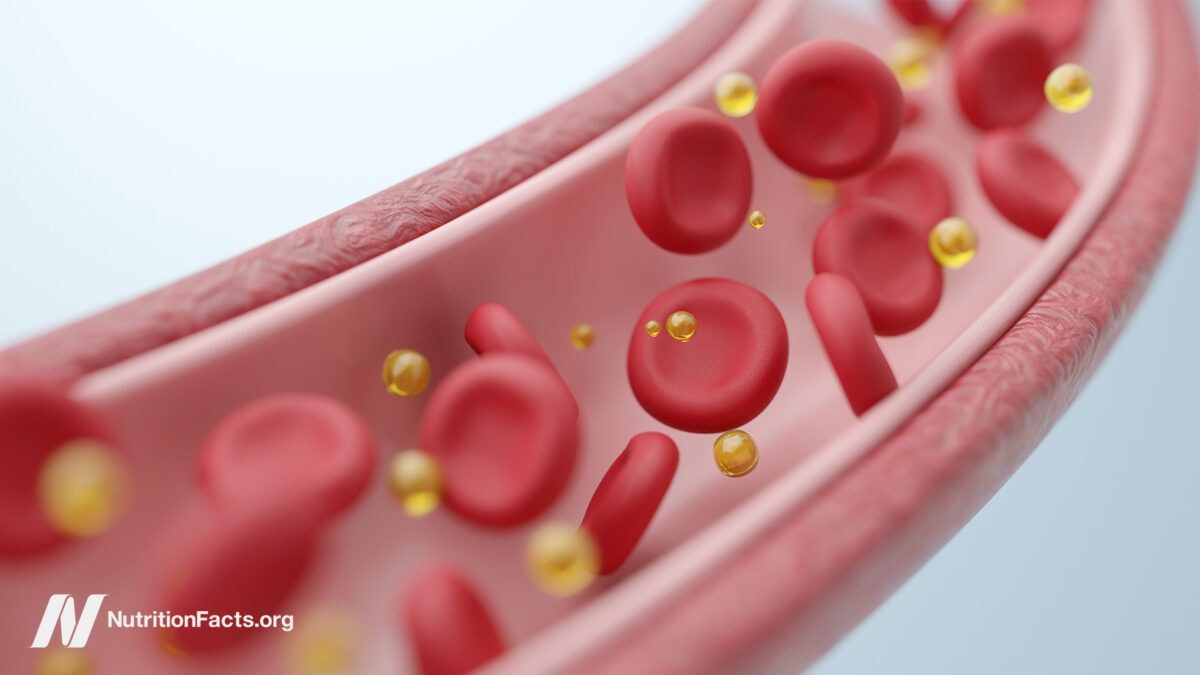
NutritionFacts.org synthesizes multiple peer-reviewed studies showing that a single high-fat meal measurably impairs artery function within hours of consumption [18]. A key reference compares Sausage and Egg McMuffins against Frosted Flakes, finding artery function impaired after the former and unaffected after the latter, isolating saturated fat rather than carbohydrates as the driver. This finding is supported by a 2022 systematic review and meta-analysis of 90 studies published in the American Journal of Clinical Nutrition, which found high-fat meals reduced flow-mediated dilation by 1.0 to 1.2 percentage points at 2 to 4 hours post-meal across a wide range of study populations (meta-analysis). A parallel body of research covers the lungs: four hours after a Jimmy Dean Meat Lover's breakfast bowl, inflammatory cells in lung sputum spiked in both asthmatic and non-asthmatic participants, and people with asthma found their rescue inhalers working less effectively because of the added airway inflammation [18]. Even without asthma, inflammatory cells and pro-inflammatory oxidized LDL in sputum doubled after a high-fat pizza meal. A 2020 study cited by NutritionFacts.org suggests the saturated fat itself, not just bacterial endotoxins from meat, is the more direct driver of the inflammatory response.
Why it matters
The endothelial dysfunction finding is backed by real experimental and observational data, including the 90-study meta-analysis. What that evidence cannot establish, because no short-term trial can, is long-term cardiovascular causation from any single meal. What it does show is a measurable, repeatable biological response that becomes meaningful if most waking hours are spent in a postprandial state, which is the case for most people eating three meals a day [18]. The asthma finding is the under-discussed piece: dietary fat changes how well a person's rescue medication works, not years from now but the same afternoon. For a vegan reader, the research also answers the question the butter-is-back lobby has been raising: the comparison was not steak versus salad, it was Sausage McMuffin versus Frosted Flakes, and the carbs won on artery function.
---
04InnovationStory
Wildtype's FDA-cleared cultivated salmon reaches consumers, minus seven states
The first lab-grown seafood cleared by the FDA is on Kickstarter. Whether your state lets you receive it is a separate legal question.
What happened: the record
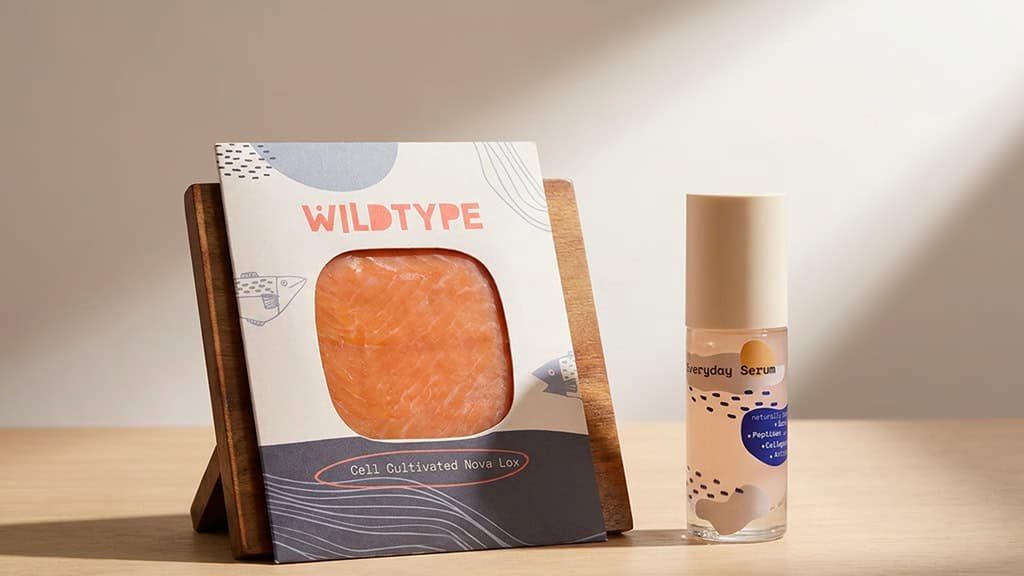
San Francisco-based Wildtype has opened a Kickstarter campaign to sell its cultivated coho salmon lox directly to consumers for the first time, alongside a skincare line derived from the same cell-cultivation process [68]. Wildtype received an FDA "no questions" letter in May 2025, making it the first cultivated seafood producer cleared to sell in the US. The campaign raised over $62,000 of a $75,000 goal with 23 days remaining at the time of publication. The lox cannot ship to Florida, Alabama, Mississippi, Montana, Nebraska, Indiana, or Texas, all of which have enacted state-level bans on the sale of cultivated meat and seafood [68]. Wildtype and UPSIDE Foods are currently challenging Texas's ban in federal court. The skincare line, branded Marine Cellular Complex and built from salmon-derived peptides, proteins, and growth factors produced as a byproduct of the cultivation process, faces no shipping restrictions and ships worldwide. Wildtype describes itself as the only company currently selling cultivated seafood for purchase in the US.
Why it matters
Federal clearance and state prohibition exist simultaneously for the same product. That patchwork is the defining regulatory story of cultivated meat in the US: the FDA has reviewed the safety case and raised no objections, and seven states have independently decided consumers in their jurisdictions cannot buy it. The court challenge in Texas is the mechanism that will test whether states can override federal food safety clearance. The Kickstarter is a creative way to test direct consumer demand outside of retail, and the campaign's early momentum suggests appetite exists. The skincare add-on is a real secondary revenue stream from a process byproduct, not a pivot away from food. Whether consumers will pay for what regulators have already cleared at scale is what the next year of Wildtype's commercial history will show.
---
05Wins & CultureStory
Animal Outlook finds the same cruelty at Cooke Aquaculture, seven years later
Seven years after Animal Outlook's first investigation of Cooke Aquaculture's Maine hatchery, the second one found workers clubbing and kicking live fish and up to 30,000 salmon dying in a single tank. The administration is currently removing the regulatory guardrails around the industry.
What happened: the record
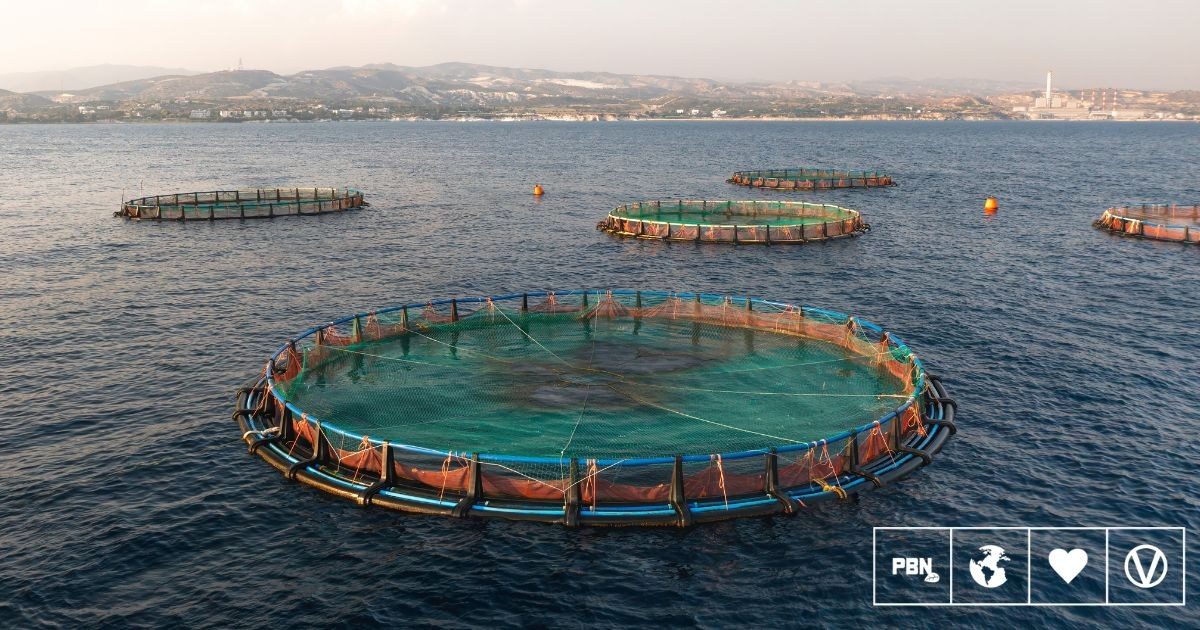
Animal Outlook published a second undercover investigation into Cooke Aquaculture's salmon hatchery in Bingham, Maine, documenting staff kicking, clubbing, and cutting live fish; workers ignoring containment protocols that risk captive fish escaping into local waterways; rodent-contaminated feed; and one incident in which up to 30,000 salmon died in a single tank [102]. The hatchery supplies products bearing the third-party Best Aquaculture Practices label. This is Animal Outlook's second investigation of the same facility; the first ran seven years ago and documented comparable conditions. The investigation appeared alongside two Trump administration executive orders expanding industrial aquaculture: "Restoring American Seafood Competitiveness" (April 2025), which weakened aquaculture oversight; and "Unleashing American Commercial Fishing in the Pacific," which opened the Pacific Islands Heritage Marine National Monument to commercial fishing. The administration also launched the USDA Office of Seafood to promote an "America First Seafood Strategy" and backed expanded offshore fish farming zones in the Gulf of Mexico and Alaska [102]. Cooke simultaneously announced the C$225 million acquisition of Mowi's salmon farming operations across New Brunswick, Prince Edward Island, and Newfoundland and Labrador [24].
Why it matters
The BAP certification failed the same test at the same facility twice, seven years apart. That is not an individual bad actor; it is a structural argument about what third-party welfare labels can and cannot guarantee at scale. Plant Based News draws the analogy to industrial broiler chicken farming: fast-growing breeds, dense indoor conditions, high disease rates, routine antibiotic use, and a regulatory environment being further loosened rather than tightened [102]. The analogy is structural, not proven to apply to this specific hatchery, but the pattern of two investigations producing the same findings is evidence on its own. Cooke's expansion into Atlantic Canada simultaneously makes it a larger operator under lighter rules. The salmon farming industry's answer to welfare criticism has been certification; Animal Outlook's evidence is that certification has not been the answer.
---