Singapore approves cultivated beef, a vegan diet trial flags muscle loss
Singapore's food agency approved Aleph Farms' cultivated beef, the world's second regulatory approval built specifically for beef grown from cells, after every earlier nod covered only poultry, seafood, or quail.
4 top stories20 sources read72 articles scanned6 sides of vegan life
Singapore's food agency approved Aleph Farms' cultivated beef, the world's second regulatory approval built specifically for beef grown from cells, after every earlier nod covered only poultry, seafood, or quail [86].
02
A randomized trial found a self-selected vegan diet shrank thigh muscle volume and cut protein intake in healthy older adults compared with an omnivorous diet, though resistance exercise blunted the loss [21].
03
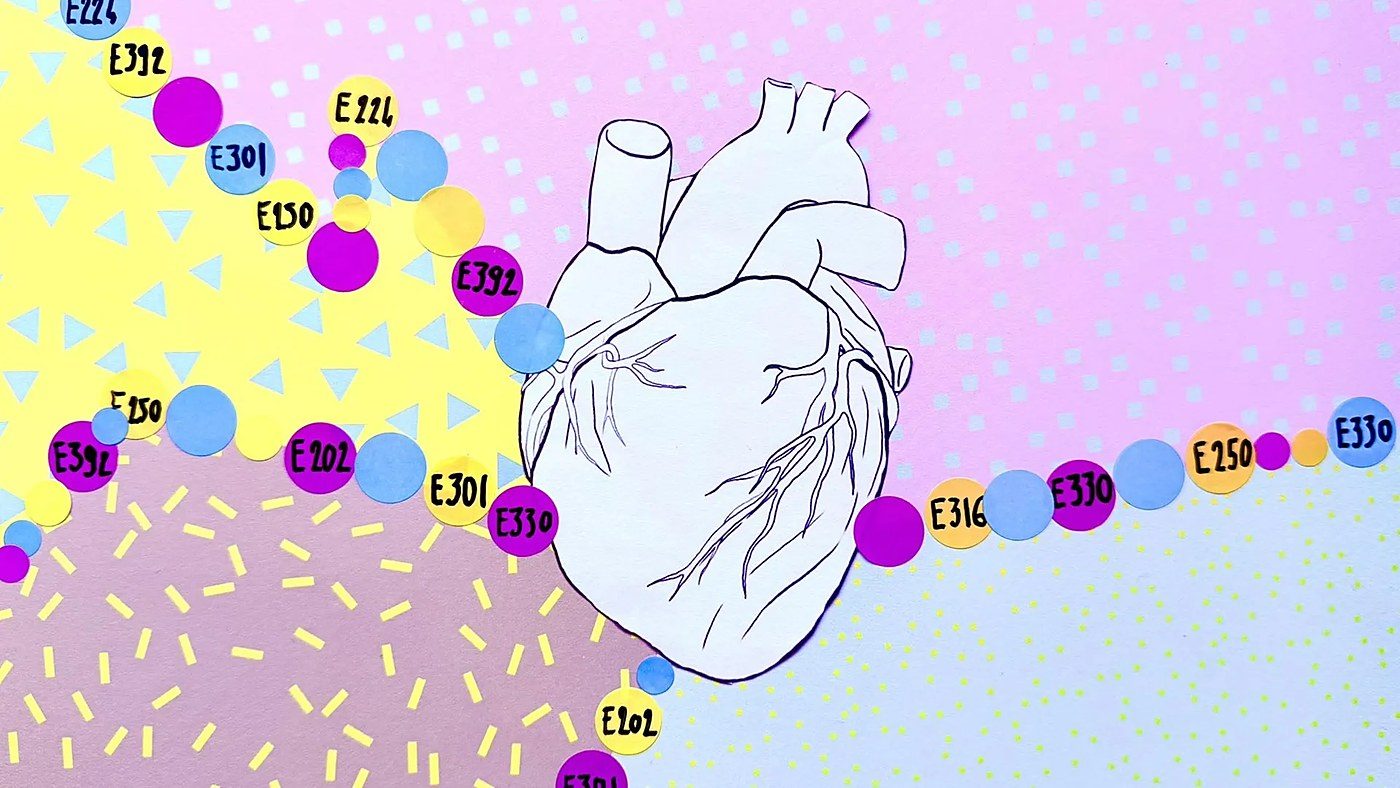
A 112,395-person French cohort tied eight common preservatives, including sodium nitrite and rosemary extract, to higher blood pressure and heart disease risk over roughly eight years [9].
04
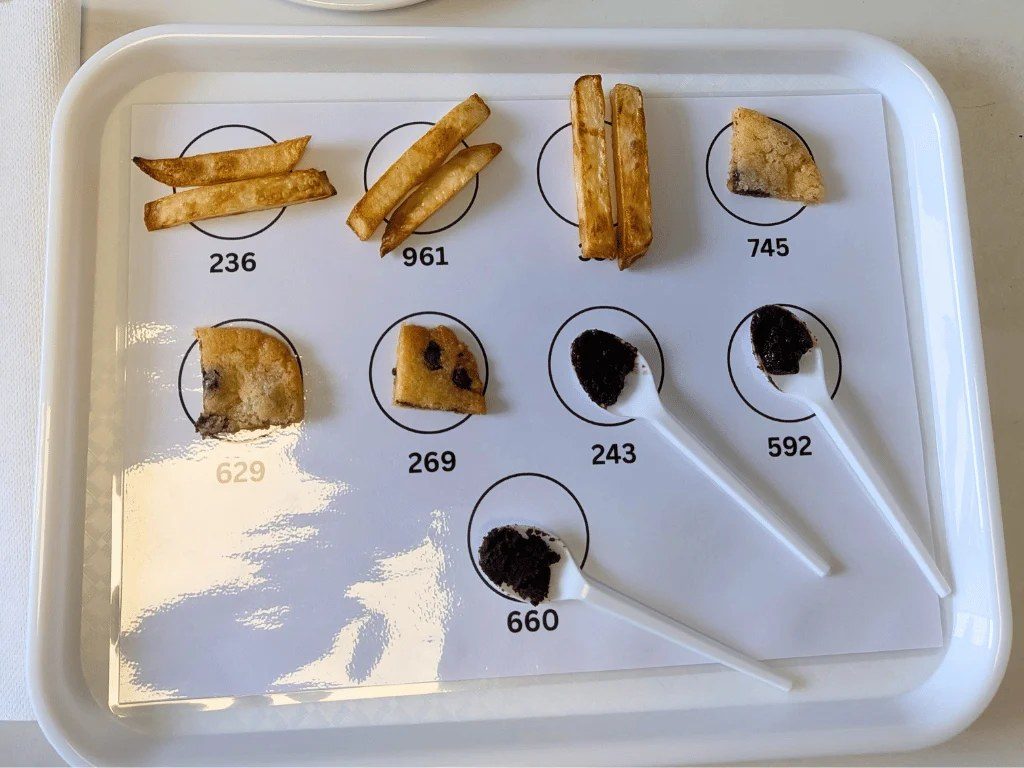
Independent UK university testing found consumers couldn't tell Sun Bear Biofuture's yeast-fermented fat from real cocoa butter in four of five products, at up to 95% less land use [74].
05
Spain's state investment bank put 40 million euros into Elian's Barcelona soy protein plant, adding over 100,000 tonnes of annual capacity as venture cash for alt-protein keeps shrinking [76].
06
Oxford researchers found leather and wool alone push fashion's footprint to 1.45 billion hectares, more than 30% of the world's farmed land [71].
Singapore approves Aleph Farms' cultivated beef, a world first for cattle
Photo: foodnavigator
Singapore's food agency approved Aleph Farms' cultivated beef, the world's second regulatory approval written specifically for beef grown from animal cells [86]. Every earlier cultivated-meat approval, in Singapore or anywhere else, covered only poultry, seafood, or quail, never beef [86].
By the numbers
2ndregulatory approval worldwide written specifically for cultivated beef, after every earlier approval covered only poultry, seafood, or quail [86]
Self-selected vegan diet cuts muscle mass in older adults, trial finds
Engin Akyurt (via Pexels)
A 12-week randomized trial split 72 healthy adults over 65 into a self-selected vegan diet, their usual omnivorous diet, or a vegan diet paired with resistance exercise, then measured muscle with MRI and DEXA scans [21]. The vegan-only group's protein intake dropped sharply and its thigh muscle volume and lean mass shrank significantly more than the omnivore group's, while adding resistance exercise cut the loss roughly in half [21].
By the numbers
-1.15 kgappendicular lean mass lost in the vegan-only group over 12 weeks, versus no significant change in the omnivore group [21]
-27.7 g/ddrop in protein intake in week one of the vegan diet, while omnivore intake didn't change [21]
Independent testing by Oxford Brookes University and the University of the Arts London found that most consumers couldn't distinguish UK startup Sun Bear Biofuture's yeast-fermented cocoa butter substitute from the real thing in four of five products tested [74]. Sun Bear Biofuture says the fermented fat cuts land use by up to 95% and emissions from producing tropical fats by 90% against conventional cocoa butter [74].
“On the evidence gathered here, it does, in manufacture and in function alike.”
Joana Maia, research scientist, University of the Arts London · [74]
By the numbers
4 of 5products where testers couldn't tell the yeast-derived fat apart from cocoa butter, or preferred it [74]
95%less land use claimed for the fermented fat compared with conventional cocoa butter [74]
FromGreen Queen
04▬Research & NutritionStory
French cohort study finds eight preservatives raise heart risk
Photo: sciencedaily
A cohort of 112,395 people in France, tracked for roughly seven to eight years, found that heavy consumers of certain preservatives had meaningfully higher rates of hypertension and cardiovascular disease, according to the NutriNet-Santé study in the European Heart Journal [10]. Researchers flagged eight specific additives, including sodium nitrite, ascorbic acid, and rosemary extract, as tied to higher blood pressure risk [9].
“As far as we know, this is the first study of its kind to investigate the links between a wide range of preservatives and cardiovascular health.”
Anaïs Hasenböhler, PhD student, Nutritional Epidemiology Research Team, Université Sorbonne Paris Nord · [9]
By the numbers
29%higher hypertension risk for the heaviest consumers of non-antioxidant preservatives like sodium nitrite, versus the lowest consumers [9]
8preservatives tied to higher blood pressure risk among the 112,395 participants tracked [9]
FromPrimary SourcesNutrition Research News -- ScienceDaily
Worth Knowing
Food & Recipes
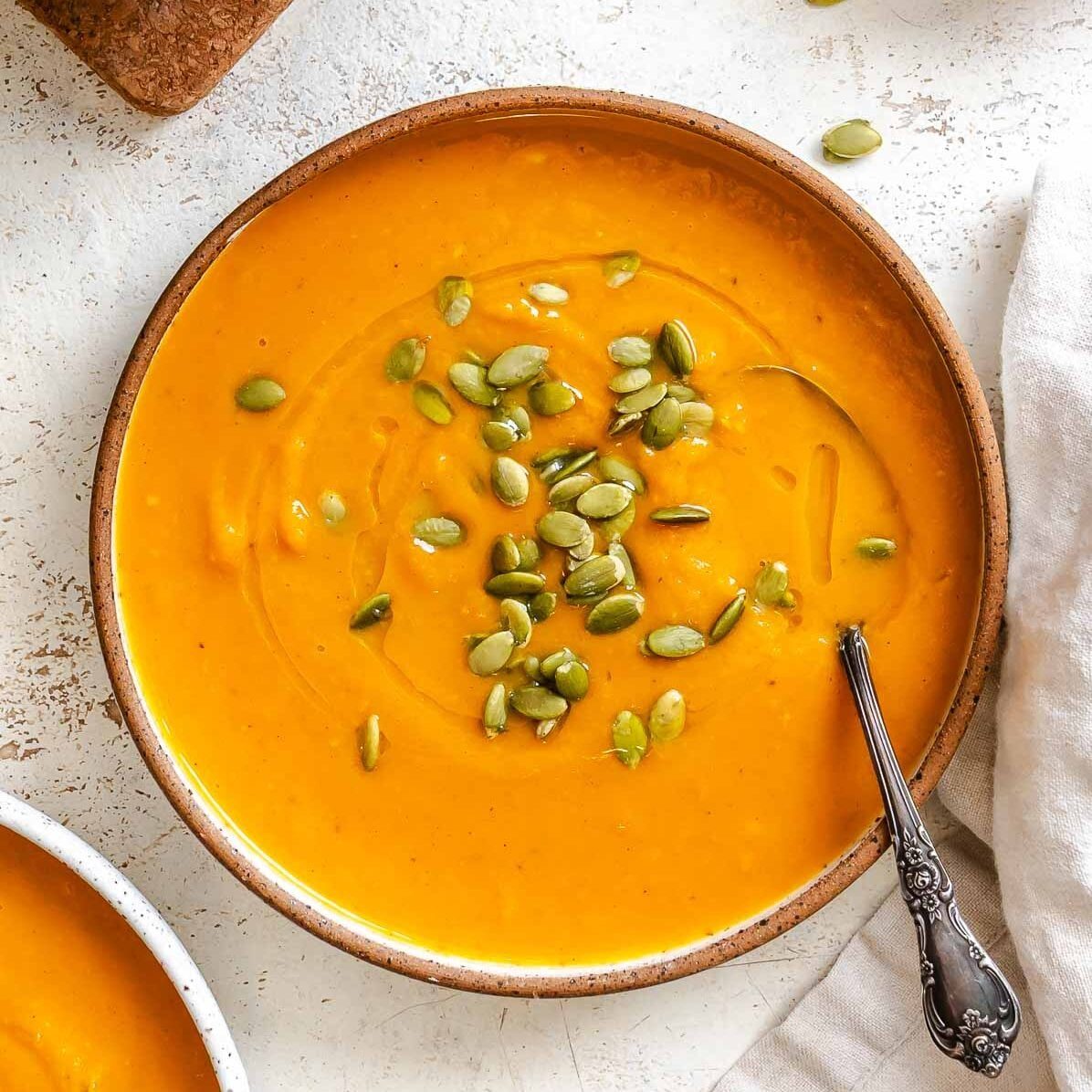
Cook this weekend: Creamy Vegan Potato Soup, a one-pot loaded-baked-potato soup thickened with coconut milk and blended Yukon Golds, ready in about 35 minutes [62].
Baristas rate oat milk the closest match to dairy for frothing and latte art, while almond milk's low protein content leaves its foam airier and less stable [64].
Innovation
India's High Time Foods launched protein-boosted samosas, momos, and kebabs with up to 40g of protein a pack, built on pea and wheat protein and sold without an on-pack "plant-based" label [73].
Finland's VTT research center patented a way to keep oat beta-glucan fibre pourable in liquid foods and a pretreatment that cuts the beany taste out of legume protein [77].
Law & Policy
Finland's food safety authority found plant-based dairy alternatives carry generally low microbial and mycotoxin risk, though how shoppers store them at home matters more [84].
The EU's new research strategy names fermentation a lead technology and pledges to help sustainable-protein startups cross the funding gap between pilot plants and market scale [87].
Research & Nutrition
A UK choice trial found meat-eaters picked plant-based meals far more often when menus paired them with differently named meat dishes instead of matching names one for one, 44.6% versus 37.4% when three mains were on offer [36].
A meta-analysis of seven prospective studies found people with the highest adherence to plant-based diets had 26% lower risk of cognitive impairment and dementia [38].
A meta-analysis found vegans had 23% lower total cancer risk than non-vegetarians, with vegetarians also showing lower rates of stomach, colorectal, pancreatic, bladder, and breast cancer [33].
A crossover feeding trial cut LDL cholesterol by 17.9% on a whole-food, plant-based diet versus a standard American diet in adults with a genetic high-cholesterol disorder [28].
Activism & Animals
Brazil's October 4 presidential election could swing Amazon policy either way, with a win for Flávio Bolsonaro threatening the decade-low deforestation rate reached under Lula [79].
H5N1 bird flu jumped to Australian marine mammals this month, confirmed in a sea lion and a common dolphin, marking the country's first bird flu death in a sea lion [80].
One Good Thing
Two vegan travel agencies merged into Ahimsa Travel Club in 2025, and founders Prachi Jain and Kim Giovacco have spent the years since taking travelers to animal sanctuaries, Zapotec communities in Mexico, and ancestral farms in Peru [90]. Since 2010 the pair has run more than 110 group trips for over 1,600 travelers, built on the Sanskrit word ahimsa, non-harm in thought, word, and action [90]. Next year's itinerary runs from Sri Lanka to Japan to a fully vegan Spanish-language tour of Oaxaca City [90].