

1809-1943
1809-1943
Organized vegetarianism arrived with the industrial age: a church in Salford, a society in Ramsgate, an American branch in New York, a global union in Dresden. By the time Gandhi addressed the London Vegetarian Society, the movement had institutions, a press, and a moral argument waiting for one more word.
- 1809
1809
A Sermon on the 'Vegetable Diet'
Organized vegetarianism in Britain traces to a Salford church whose minister made a meat-free diet a condition of membership.
Source: The Vegetarian Society, HistoryIn 1809, he preached a now famous sermon, extolling the benefits of what he called
Rev. William Cowherd, Bible Christian Church, Salford - 1813
1813
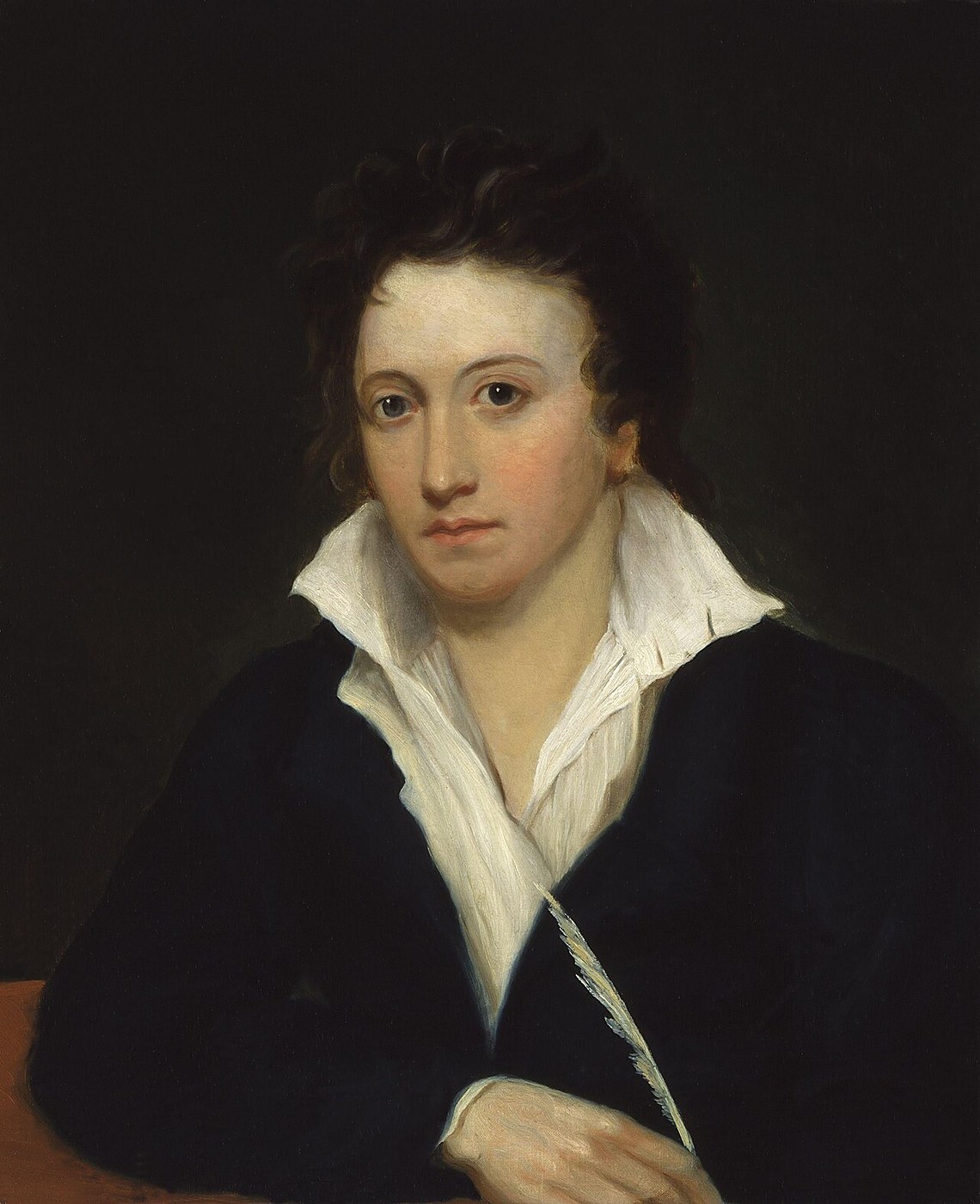
Shelley's Vindication
The poet Shelley put the moral and physical case for a vegetable diet into an essay that circulated for decades.
Source: Wikipedia, A Vindication of Natural DietIt is only by softening and disguising dead flesh by culinary preparation that it is rendered susceptible of mastication or digestion, and that the sight of its bloody juices and raw horror does not excite intolerable loathing and disgust.
Percy Bysshe Shelley, A Vindication of Natural Diet - 1847
September 30, 1847
The Vegetarian Society Is Founded
The strands of British food reform came together into a single body that gave the movement its modern name.
Source: The Vegetarian Society, HistoryAnd so it was that on 30 September 1847, the various strands of this story coalesce at Northwood Villa in Ramsgate
Founding meeting, Northwood Villa, Ramsgate - 1850
1850
America Gets a Vegetarian Society
Three years after Britain, reformers founded an American counterpart in New York City.
Source: Wikipedia, American Vegetarian SocietyIn 1850, Alcott, William Metcalfe, Russell Trall, and Graham founded the American Vegetarian Society in New York City.
William Metcalfe, Sylvester Graham, William Alcott, Russell Trall - 1892
1892
Salt Writes the First Book of Animal Rights
The reforming schoolmaster grounded the claim in justice rather than kindness, and his 1892 book is often described as the first explicit treatment of the idea of animal rights. Peter Singer wrote the preface when it was reissued in 1980.
Source: Wikipedia, Animals' RightsSalt argues that animals, as sentient beings, should be regarded as having moral and legal rights grounded in justice
Henry S. Salt, Animals' Rights: Considered in Relation to Social Progress - 1908
August 1908
A Global Union Forms in Dresden
National societies federated into the International Vegetarian Union, still the movement's global body more than a century later.
Source: International Vegetarian Union (IVU)National societies federated into the International Vegetarian Union, still the movement's global body more than a century later.
1st World Vegetarian Congress, Dresden
- 1931
November 20, 1931
Gandhi's Moral Case
Passing through London, Gandhi told the Vegetarian Society that habit and health were the wrong reasons; only the moral reason would hold.
Source: International Vegetarian Union (IVU) (archived)Therefore the only basis for having a vegetarian society and proclaiming a vegetarian principle is, and must be, a moral one.
Mohandas K. Gandhi, address to the London Vegetarian Society, November 20, 1931
This history is still being written.
Every morning we read the movement and rate the evidence. When a fight resolves, it lands on this page and in your inbox. Free forever.
Free forever. No guilt. No preaching.