A meta-analysis of 7 prospective studies found vegetarians have 13% lower total cancer incidence than non-vegetarians; vegans have 23% lower [8]
02
The EU Protein Plan set a binding 35% domestic feed-protein target for 2035 but left every food-protein measure voluntary, drawing "missed opportunity" criticism from GFI Europe and ProVeg [109]
03
Mosa Meat received a €875,000 Dutch government loan for international market entry as cultivated-meat sector funding sits at $74M, its lowest since 2018 [102]
04
An 8-week crossover RCT found a pulse-based diet cut the visceral-to-total fat ratio more than a protein-matched meat diet in adults over 60 [3]
05
California's new chain-restaurant allergen disclosure law covers milk, eggs, fish, and shellfish at 20-plus-location chains, which should make plant-based menu navigation easier [79]
06
The Better Meat Co rebranded as BMC Ingredients, expanding its FDA-cleared Rhiza mycoprotein from meat alternatives into dairy, baked goods, and longevity supplements [105]
Seven prospective cohort studies. Seventeen publications. The risk ratios kept pointing the same direction.
Photo: PubMed
A European Journal of Epidemiology meta-analysis pooled seven prospective studies and found vegetarians had 13% lower total cancer incidence (RR 0.87) and vegans 23% lower (RR 0.77) versus non-vegetarians. Statistical heterogeneity was near zero (I²=0%) for both headline figures, meaning the signal held consistently across study populations rather than being driven by a single cohort. Stomach cancer showed the largest reduction. BMI partially mediates the association. [8]
By the numbers
Stomach cancer: vegetarian RR 0.55 vs. non-vegetarians [8]
Solid.Zero heterogeneity across seven independent cohorts is notable. The WCRF grades plant-based diets "probable" for vegetarians and "limited-suggestive" for vegans, appropriately placing this above hypothesis but below proven causation. Residual confounding remains possible with observational data. [8]
Earlyon vegans specifically: the vegan diet arms are smaller, confidence intervals are wider, and five of the contributing cohort arms are Adventist Health Studies, a population with additional confounders including abstinence from alcohol and tobacco. [8]
FromPubMed
02InnovationStory
EU Protein Plan Binds Feed, Leaves Food Voluntary
Europe's first binding protein strategy. Feed industry: required. Everyone actually eating: optional.
Photo: vegconomist
The European Commission's Protein Plan set a binding domestic target of 35% EU-sourced feed protein by 2035, up from 25.8% today, to cut dependence on imported soy. Every food-side measure, promoting plant protein for human consumption, reforming school meals, and shifting public procurement, remained voluntary. GFI Europe called it a missed opportunity. Systemiq pegged the economic value of a full protein transition at €111 billion. China projects 55% of protein from alternative sources by 2050. The EU is positioned to supply alt-protein ingredients for other markets while moving slowly on domestic consumption. [103][109][141]
By the numbers
25.8% EU domestic feed-protein share today; target 35% by 2035 [109]
€111B projected economic value of EU protein transition (Systemiq) [103]
55% alt-protein share projected by China by 2050 [141]
Solid.The 35% target, 25.8% baseline, and the binding/voluntary distinction all come directly from the Commission document. [109]
Company claim.The €111B economic value is a Systemiq projection. Systemiq is an independent consultancy but receives stakeholder funding from parties who benefit from a favorable projection. Directionally useful, not independently verified. [103]
WatchWhether voluntary food-protein measures receive formal review criteria during implementation. Without a review window, voluntary stays voluntary indefinitely. ---
FromGreen Queenvegconomist the vegan business magazineGFI Europe
03Food & RecipesStory
Lima Court Rules University Must Serve Vegan Meals
A Peruvian constitutional court just made vegan access a legal requirement, not a favor.
Photo: vegan food
Lima's Constitutional Court ruled that the National University of San Marcos violated three constitutional rights, wait, no em-dash. Lima's Constitutional Court ruled that the National University of San Marcos violated three constitutional rights (equality, non-discrimination, and freedom of conscience) by not providing permanent vegan meals. The court ordered the university to make vegan dining a fixed offering, not an ad hoc accommodation. UNMSM appealed. The case was brought by a student who argued that requiring vegans to eat against their values or go without institutional meals constitutes active discrimination. Dr. Jeanette Rowley of the Vegan Society noted the ruling reflects growing legal recognition of vegan identity as an ethical commitment. [86]
By the numbers
Three constitutional rights cited: equality, non-discrimination, freedom of conscience [86]
One public university ordered to comply; appeal pending [86]
Solid.The ruling and the three constitutional provisions are court-documented. Peru's Article 2 framework has been applied to conscience-based claims before; this is a consistent extension rather than a stretch. [86]
Early.UNMSM appealed, so this is not yet settled precedent. The ruling is legally real; its enforceability beyond this case depends on the appellate outcome. [86]
WatchThe appeal outcome at UNMSM. An affirmation sets enforceable precedent across Peruvian public universities; a reversal confines this ruling to its specific facts. ---
FromVegan Food & Living
04InnovationStory
Mosa Meat Gets Dutch Government Loan as Cultivated-Meat Funding Hits 7-Year Low
A €875,000 lifeline from the Dutch state, against $74M raised by the entire global sector this year.
Mosa Meat, which produced the first cultivated beef burger in 2013, secured a €875,000 Invest International loan for international market development. The context: global cultivated-meat sector investment in 2025 totals $74M, the lowest since 2018. Mosa Meat is also adjusting its technical direction, moving toward a hybrid product combining cultivated fat with plant protein rather than pursuing whole-muscle cultivated beef, which requires bioreactor scale-up that is orders of magnitude more expensive. The company operates a 1,000L bioreactor in Maastricht. [102]
By the numbers
€875,000 Invest International loan for international market entry [102]
$74M global cultivated-meat investment in 2025, lowest since 2018 [102]
Solid.The loan amount and Invest International as lender are disclosed in the official announcement. The 1,000L bioreactor capacity is a verified published figure from the company. [102]
Company claim.The $74M sector figure comes from industry tracking, directionally reliable but sensitive to how pre-seed rounds and non-dilutive grants are classified in any given year. [102]
WatchWhether other EU cultivated-meat companies follow Mosa Meat's pivot to hybrid products as a near-term commercial path while whole-muscle scale-up remains out of reach on current investment levels. ---
FromGreen Queen
Worth Knowing
Wins & Culture
Food pick. Jerk pulled mushroom wraps from Javant Brenton's Make Your Own, Caribbean-spiced with a shredded texture that holds up [145]
The UK proposed anti-deforestation rules requiring importers with £1M or more in annual revenue handling soy, cocoa, cattle products, rubber, and palm oil to verify their supply chains [144]
Research & Nutrition
Dementia: a healthful plant-based diet index cut dementia incidence 21% in a meta-analysis of 221,380 people; an unhealthful plant-based diet raised risk 24% [17]
An 8-week isocaloric crossover RCT found a vegan diet produced measurably lower white blood cells, neutrophils, and B-cells compared to a meat-rich diet, a direct anti-inflammatory marker shift [18]
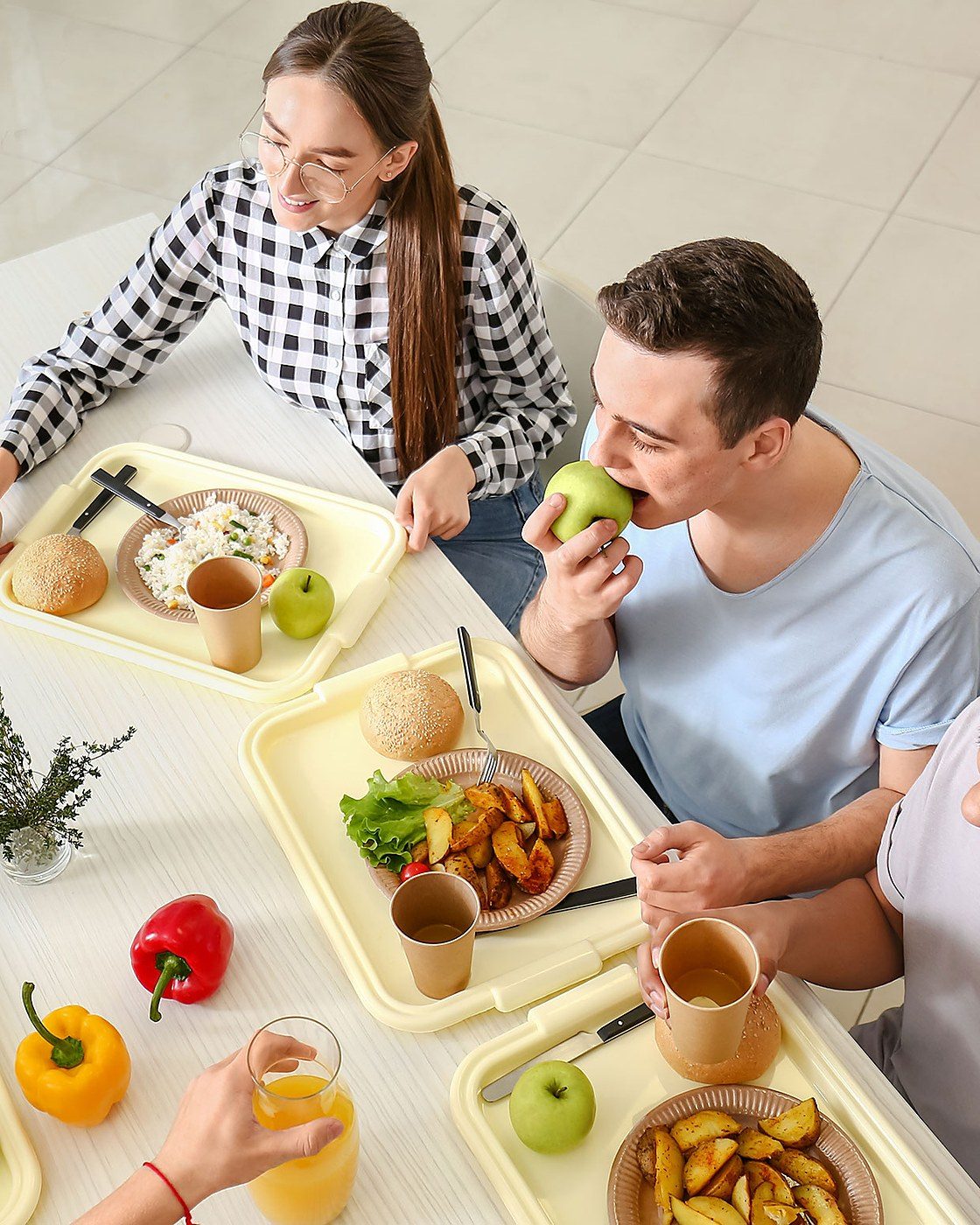
Presenting plant-based and meat options with equal visual appeal moved plant-based selection from 21% to 30% in a cafeteria study, with no change to what was on the menu [12]
The PRODMED1 RCT: a pulse-based diet cut the visceral-to-total fat ratio more than a protein-matched meat diet in adults over 60 [3]
B12 at 82µg/day significantly improved vegan biomarkers at 4 months in the MultiVeg RCT, a specific tested dose against a specific measurable outcome, not a general "supplement more" finding [19]
UK takeaway meals: 47% exceeded their labeled salt values; pasta averaged 7.2g of sodium per serving, above the full-day 6g limit on its own [34]
Innovation
Scotland microsimulation: capping heavy red-meat consumers at 31g/day and cutting dairy 20% would prevent 60,000 type 2 diabetes cases per decade and save about 40p per person per day [106]
Aardaia raised €5M seed for the aardaker, a nitrogen-fixing legume with up to 5x the protein yield per hectare of soy, currently in cultivation trials [107]
More than 100 organizations sent USDA a letter requesting that pulse pasta qualify as a meat alternative in school meals, a procurement rule change that moves volume without requiring consumer behavior change [104]
Singapore committed $5.3M to three food-waste upcycling projects, including plant-based tuna made from brewery spent grain [113]
One Good Thing
Animal Outlook brought around 200 samples of vegan jerky to Baconfest in Kelseyville, California. One man ate two pieces, said he couldn't tell it was vegan, and walked away looking unsettled by his own taste buds. A woman stopped after he left. Her husband had heart disease. She had already gone plant-based because of it. She was not there to be persuaded. She was there to stock up. [115]
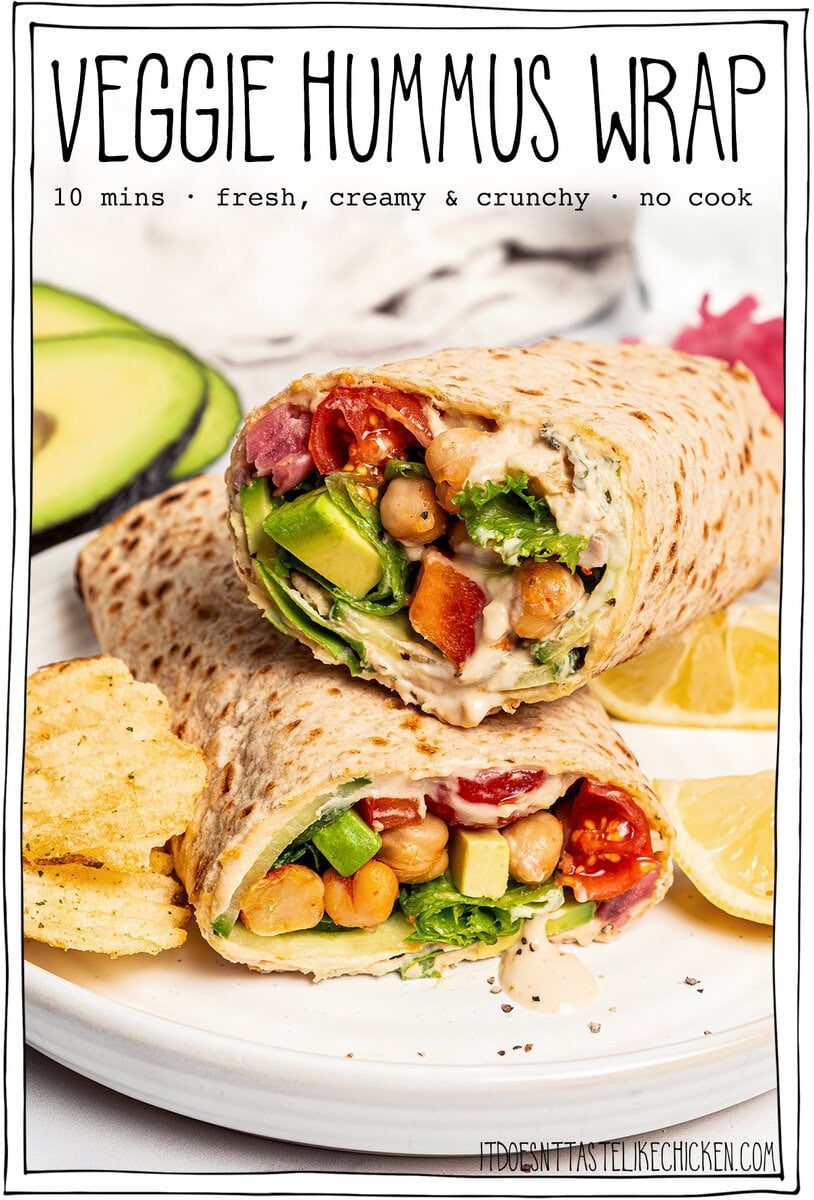
This veggie wrap with hummus is fresh, creamy, crunchy, and packed with flavor. Made with simple ingredients in just 10 minutes, it’s perfect for quick lunches, meal prep, or an…
10 min2 servings14 ingredients
See the ingredients
2 - 4 large tortillas or wraps
½ - 1 cup hummus ((store-bought or homemade))
1 cup cucumber (thinly sliced)
1 cup cherry tomatoes (halved)
½ bell pepper (thinly sliced)
½ avocado (sliced)
1 - 2 cups greens ((such as lettuce, arugula, or sprouts))
2 - 3 tablespoons pickled red onions ((or thinly sliced red onion))







 vegconomist the vegan business magazine