Vegans show 23% lower cancer risk; cow-free lactoferrin goes to scale
Two meta-analyses published today find vegetarian diets linked to 13% lower total cancer risk across eight tumor sites, and vegan diets to 23% lower risk, with zero heterogeneity across the three prospective studies behind that last number
4 top stories34 sources read143 articles scanned6 sides of vegan life
Two meta-analyses published today find vegetarian diets linked to 13% lower total cancer risk across eight tumor sites, and vegan diets to 23% lower risk, with zero heterogeneity across the three prospective studies behind that last number [8]
02
Novonesis signed an exclusive deal to scale TurtleTree's FDA-cleared precision-fermented lactoferrin for infant nutrition, pairing a cow-free ingredient with an industrial manufacturer for the first time [100]
03
Animal Justice was in Quebec Superior Court today arguing the province must regulate fur farms, armed with government documents showing provincial officials have known since 2022 that conditions on fox and mink farms likely violate Quebec law [143]
04
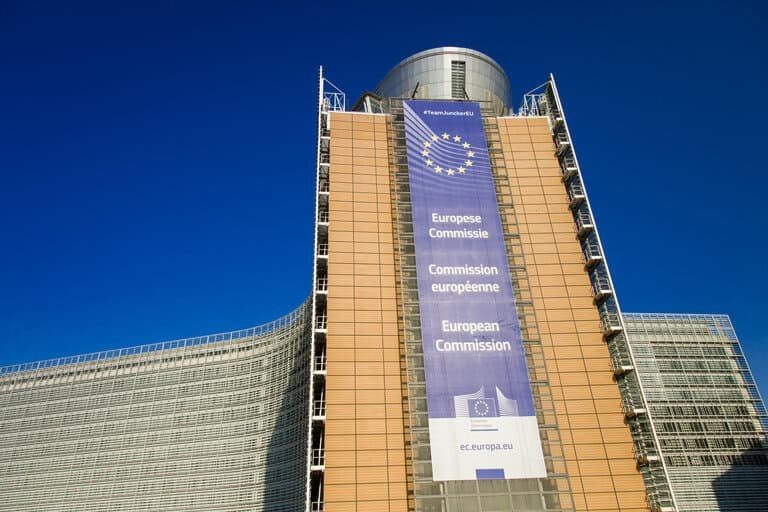
GFI Europe and the EVU said the EU's new Protein Plan sets a binding 35% domestic feed-protein target by 2035 while leaving every food-side promotion measure voluntary [117]
05
A 12-week RCT found a soybean-supplemented vegan diet cut severe hot flashes significantly, with the effect driven by replacing animal foods with plants regardless of processing level, not by specifically avoiding processed plant foods [1]
The Stories: the day’s biggest developments, in the sources’ own words
01Research & NutritionStory
Two Cancer Meta-analyses in One Day
Going vegan lowers cancer risk. Eating junk plants raises it. Today, two meta-analyses said both things at once.
Photo: PubMed
A meta-analysis of 17 publications from seven prospective studies found vegetarians have 13% lower total cancer risk versus non-vegetarians, with significant reductions across stomach, colorectal, colon, pancreatic, melanoma, postmenopausal breast, bladder, and non-Hodgkin's lymphoma; vegans showed 23% lower total cancer risk across three studies with zero heterogeneity [8]. A separate systematic review found healthful plant-based diet patterns linked to lower breast, colorectal, and liver cancer risk, while unhealthful plant-based patterns were associated with 3% higher breast cancer risk [6]. BMI explains part of both associations, and observational designs cannot rule out confounding from other healthy behaviors. The practical read is unusually clean: food quality inside a plant-based diet matters as much as the category itself.
“These results support recommendations to adopt much more plant-based diets for cancer prevention.”
23%lower total cancer risk for vegans vs non-vegetarians (RR 0.77, 95% CI 0.70-0.85, I2=0%, n=3 prospective studies) [8]
45%lower stomach cancer risk for vegetarians (RR 0.55, 95% CI 0.36-0.86, n=4 studies) [8]
17-23%lower liver cancer risk per 10-unit increase in overall and healthful plant-based diet index [6]
Solid"The summary RRs for vegans vs. non-vegetarians was 0.77 (0.70-0.85, I2 = 0%, n = 3) for total cancer incidence" (meta-analysis authors) [8]. Three prospective studies, zero heterogeneity; World Cancer Research Fund evidence grade rated "limited-suggestive," one tier below probable.
Solid"higher uPDI was associated with 3% higher breast cancer risk" (meta-analysis authors) [6]. Consistent direction across cohort and case-control studies; modest effect size.
FromPubMed
02InnovationStory
Cow-Free Lactoferrin Gets an Industrial Manufacturer
TurtleTree survived the alt-protein funding winter long enough to partner with a company that can actually make its ingredient cheap.
Wikimedia Commons / Colostrum
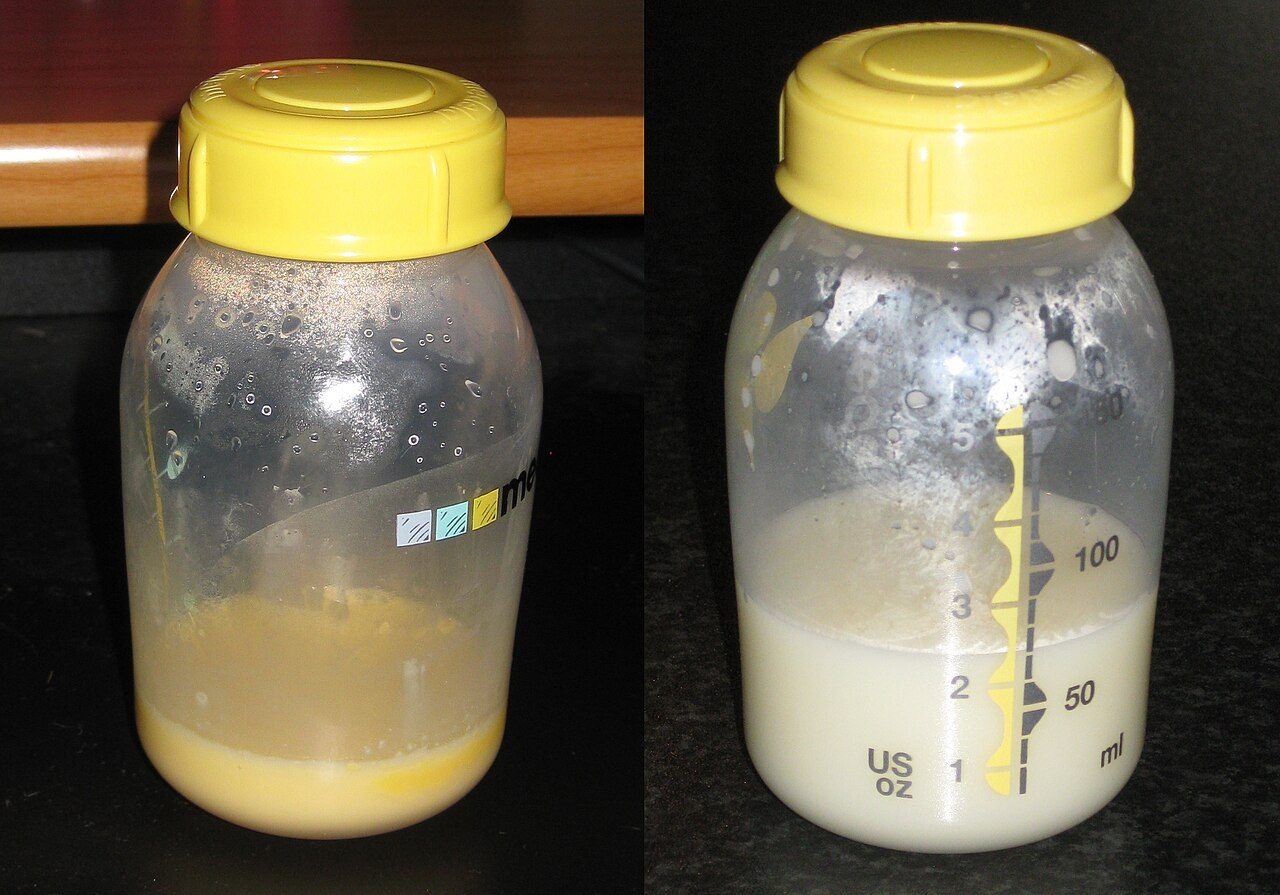
Novonesis, the Danish biotech giant formed from the Novozymes-Chr. Hansen merger, signed an exclusive agreement to scale, manufacture, and commercialize TurtleTree's precision-fermented lactoferrin (LF+) for early-life nutrition, with a minor equity investment joined by Mitsui Chemicals' 321Catalyst Ventures [100]. TurtleTree holds the first global FDA "no questions" letter for precision-fermented lactoferrin; conventional extraction requires more than 10,000 liters of milk per kilogram and costs $600 to $2,000 per kg, limiting the ingredient to infant formula and premium supplements [100]. The company had contracted to a skeleton staff of nine in January 2025 during the alt-protein funding winter; this deal is the clearest signal that the technology made it through [100].
“This partnership is about doing the hard work required to make the unique benefits of lactoferrin truly usable at scale. Not just technically, but economically available for all.”
10,000+ litersof milk required to extract 1 kg of conventional purified lactoferrin [100]
$600-$2,000/kgcurrent cost range for conventionally extracted lactoferrin [100]
~$40Mraised by TurtleTree since founding in 2019 [100]
ProvenTurtleTree received a US FDA "No Questions" letter for precision-fermented lactoferrin under GRAS notification, the first regulatory clearance for this ingredient globally [100].
Company claim"Our aim is to make lactoferrin more accessible and cost-competitive" (Thomas Batchelor, Novonesis SVP, Early Life and Specialized Nutrition) [100]. The manufacturing agreement is signed; cost reduction at commercial volumes has not yet been demonstrated.
WatchWhether Novonesis can bring LF+ costs below commodity lactoferrin at its Blair, US facility, unlocking the ingredient for mass-market infant formula rather than premium supplements [100].
The thread2025 → Today
2025TurtleTree receives the first global FDA "no questions" letter for precision-fermented lactoferrin [100]
Quebec's Own Documents Say Fur Farms Break the Law
The government knew. It said nothing, enforced nothing, and today tried to have the lawsuit dismissed.
Photo: animal justice
Animal Justice appeared before Quebec Superior Court today in a judicial review that could end fur farming in the province, presenting internal MAPAQ documents showing provincial officials have warned since at least 2022 that conditions on fox and mink farms likely violate Quebec animal welfare law, and that an internal report recommends banning the industry [143]. Quebec's animal welfare law has required fur farms to obtain permits since it was enacted, but that provision has never been brought into force, leaving farms without formal oversight [143]. The province's response: move to have the case dismissed rather than defend the record [143].
By the numbers
4+ yearssince MAPAQ officials internally documented that conditions likely violate provincial law [143]
0permits ever required: the fur farm permit provision has never been brought into force [143]
Proven"Government documents obtained by the Montreal SPCA show that since at least 2022, officials at MAPAQ have warned that conditions on the province's fox and mink fur farms do not meet the biological needs of the animals" (Animal Justice, citing official government records) [143]. Internal MAPAQ documents, not advocacy claims.
Proven"Officials also acknowledge a ban would have no economic impact as the industry is in steep decline" (Animal Justice, citing the same internal documents) [143].
WatchWhether the court allows the case to proceed; an affirmation would force the province to defend its record against its own officials' conclusions [143].
The thread2022 → Today (July 9, 2026)
2022MAPAQ officials internally flag that fur farm conditions likely violate Quebec animal welfare law; internal report recommends a ban [143]
November 2025Animal Justice and The Fur Bearers file judicial review in Quebec Superior Court [143]
Today (July 9, 2026)Quebec seeks dismissal rather than defending four years of documented inaction [143]
FromAnimal Justice
04InnovationStory
EU Protein Plan Binds Farms, Leaves Food Voluntary
Europe committed to growing more protein. Whether Europeans eat it is apparently optional.
Photo: vegconomist
The European Commission's Protein Action Plan sets a binding 35% domestic feed-protein target for 2035, up from 25.8% today, and leaves all food-side protein measures voluntary, drawing immediate pushback from GFI Europe and the European Vegetarian Union [117]. EVU policy manager Rafael Pinto argued the feed target "could be easily achieved in the next few years simply by increasing human consumption of plant proteins, since our current dependency is caused by imbalanced diets" [117]. GFI Europe cited Denmark's €68 million farmer bonus for protein crops as the kind of concrete measure missing from the plan, and flagged Systemiq's projection that China could meet 55% of domestic animal protein demand from alternative proteins by 2050, framing Europe's approach as a competitive risk [117]. Private-sector movement is outpacing the policy: Happy Plant Protein's one-step dry extrusion technology is now deploying at Crespel & Deiters's Helmond facility in the Netherlands, the exact kind of commercial infrastructure the plan acknowledges without funding [96].
By the numbers
25.8% to 35%domestic feed-protein target binding on EU member states by 2035 [117]
€68MDenmark's protein-crop farmer bonus, cited as the funding model missing from the EU plan [117]
55%China's projected alt-protein share of animal protein consumption by 2050 (Systemiq) [117]
ProvenThe EU Protein Action Plan contains a binding 35% domestic feed-protein target for 2035 and leaves food-protein promotion measures voluntary (confirmed by GFI Europe and EVU analysis of the plan's text) [117].
Company claim"building a more resilient and healthy food system will require more than warm words" (Alex Holst, GFI Europe) [117]. GFI Europe's advocacy framing; the factual gap it identifies is accurately described.
WatchWhether the EU adds formal review criteria to its voluntary food-protein commitments during implementation; without a review window, voluntary stays voluntary indefinitely [117].
The threadJuly 8, 2026 → Today (July 9, 2026)
July 8, 2026EU Protein Plan published: binding feed target, voluntary food promotion [117]
Today (July 9, 2026)GFI Europe and EVU call the food-side gap a missed opportunity; EVU renews call for a standalone EU plant-based action plan [117]
Fromvegconomist the vegan business magazineGreen Queen
Worth Knowing
Food & Recipes
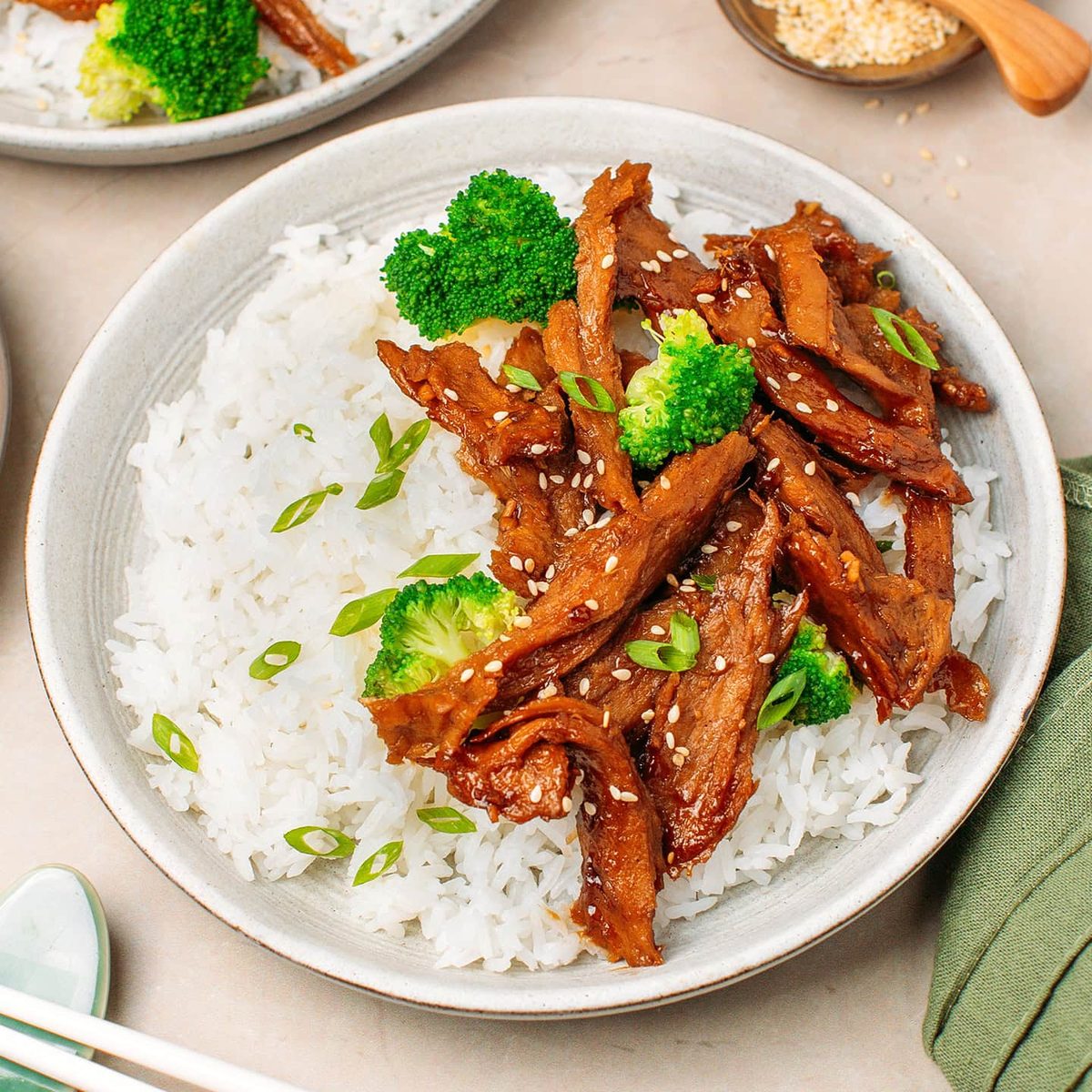
On the plate tonight: Full of Plants' vegan teriyaki chicken marinates shredded seitan overnight in soy, maple syrup, ginger, and five-spice, then pan-fries caramelized in five minutes; serve over rice with sesame seeds [69]
Strong Hearts, one of Upstate New York's first vegan restaurants, is closing its Buffalo location July 11 and Syracuse location July 18 after 18 years, citing debt, rising costs, and personal burnout from its co-owners [77]
Research & Nutrition
A meta-analysis of five cohort studies (207,981 participants) found the healthiest plant-based diet linked to 21% lower dementia risk and the unhealthiest plant-based pattern (refined carbs, sweets, sugary drinks) linked to 24% higher risk [17]
In a randomized crossover trial, a pulse-protein diet matched a meat-protein diet on glucose and lipid improvements but reduced visceral-to-total fat ratio more and raised ferritin by 15.7 ng/mL versus 7.0 ng/mL for meat protein [3]
A controlled crossover trial found a vegan Mediterranean diet cut environmental health impacts by 54.5%, ecosystem impacts by 50.9%, and resource use by 43.4%, while costing 16.3% less than a traditional Mediterranean diet [10]
Innovation
Better Meat Co rebranded as BMC Ingredients, shifting from finished alt-meat to supplying mycelium protein (Rhiza) to food manufacturers, with commercial-scale production targeting Q2 2027 [92]
NuCicer launched Nuchi, a non-GMO chickpea with 50% more protein and 25% less fat than commodity chickpeas, eliminating the defatting step that normally adds cost to protein processing; 10,000 acres planted in North America for 2026 [119]
New Culture secured a second US patent covering animal-free casein mozzarella specifically, adding to a 2023 patent covering any cheese format made from recombinant alpha-casein [121]
Faunalytics launched The Lens, an AI research tool grounded solely in its 6,000+ vetted animal advocacy studies; it will not cite anything that hasn't been human-reviewed [122]
AMSilk locked in a dedicated precision fermentation production line at Ajinomoto's Nesle, France facility for silk protein, targeting "hundreds of tons per year" for textiles, automotive, and medical uses without silkworms [123]
PARIMA and Vow completed a multi-ton cultivated meat production run in a 22,000-liter bioreactor; Arthur D. Little analysis concludes the primary technical barriers to large-scale production are now largely resolved [85]
Coefficient Capital is allocating $10M in R&D grants for alt-protein research, prioritizing off-flavor reduction in plant proteins, fat alternatives for meat-like browning, egg replacement, and texture improvement [97]
Activism & Animals
A first peer-reviewed meta-analysis of leather's greenhouse gas emissions found bovine leather's carbon footprint is 70% larger than previous estimates; pound for pound, it emits more than 12 times as much as vegan leather [136]
Wins & Culture
Mr. Charlie's vegan fast-food chain opens its San Diego location Saturday, July 11, with Travis Barker making a special appearance and free burgers for arrivals in the first hour [160]
Across topics
Federal courts blocked multiple MAHA food initiatives this year, including dye bans, SNAP candy exclusions, and state pesticide warning labels; separately, the Supreme Court ruled federal pesticide law preempts state-law cancer warning claims against Roundup [93][156]
One Good Thing
A 200-foot wildlife overpass near Greenland, Colorado, one of the largest in the world, is expected to cut roadkill by 90% along a busy stretch of I-25 once animals learn to use it [126]. White-tailed deer collisions kill around 440 motorists each year across the US and cost the economy more than $10 billion; these crossings help both animals and people. In Sri Lanka, rope bridges made from steel cables and nylon netting let purple-faced langurs cross between fragmented forest habitats for a few hundred dollars each. Rope bridges have also reconnected treetops for samango monkeys in South Africa and sloths in Costa Rica. Researcher Mike Sawaya, who studies grizzly bears and wildlife crossings in Banff, told Mongabay: "At this point, there's really no more question that these things can help populations" [126]. A Senate bill now proposes $1 billion for crossings over the next five years. Engineers and ecologists figured out that the cheapest thing, sometimes, is just to get out of the way.
Meet your new weeknight obsession. This vegan teriyaki chicken uses homemade vegan chicken coated in a sweet, savory marinade made with soy sauce, maple syrup, garlic, ginger, and…





 Animal Justice
 vegconomist the vegan business magazine