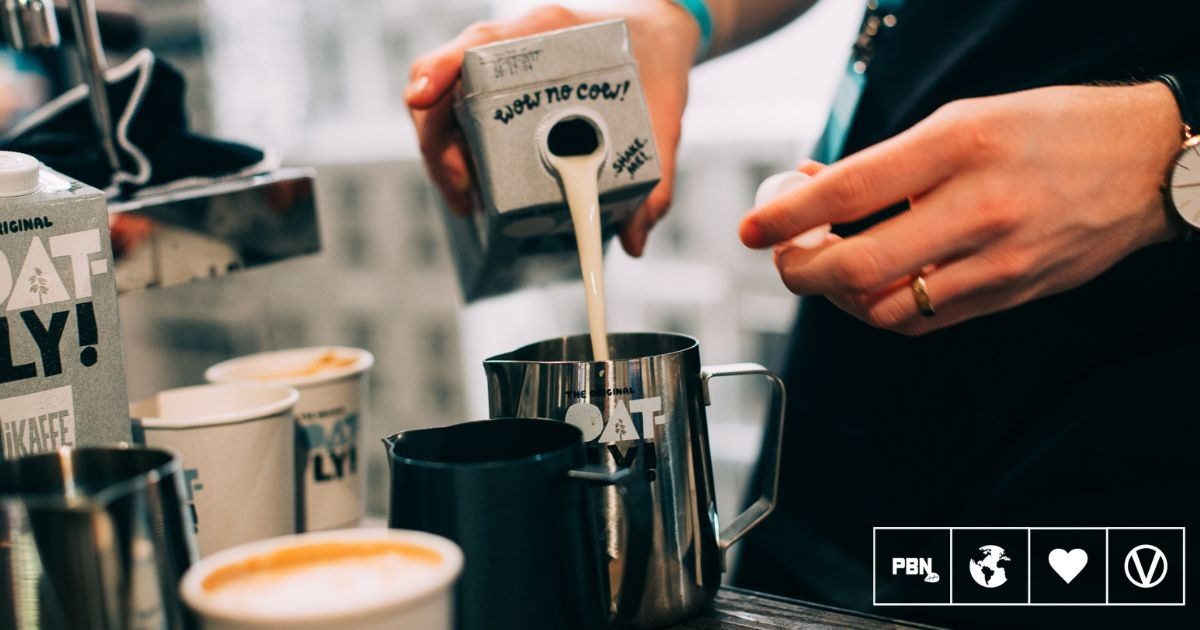
Oatly posted $240.1 million in Q2 revenue, up 15.2% year over year, and raised its full-year growth guidance again on Barista oat milk demand [67].
02
A fully controlled crossover trial found a whole-food plant-based diet cut LDL cholesterol 17.9% more than a standard American diet in adults with a genetic high-cholesterol disorder [5].
03
The largest meta-analysis of its kind found vegetarians carry 13% lower total cancer risk and vegans 23% lower, against non-vegetarians [10].
04
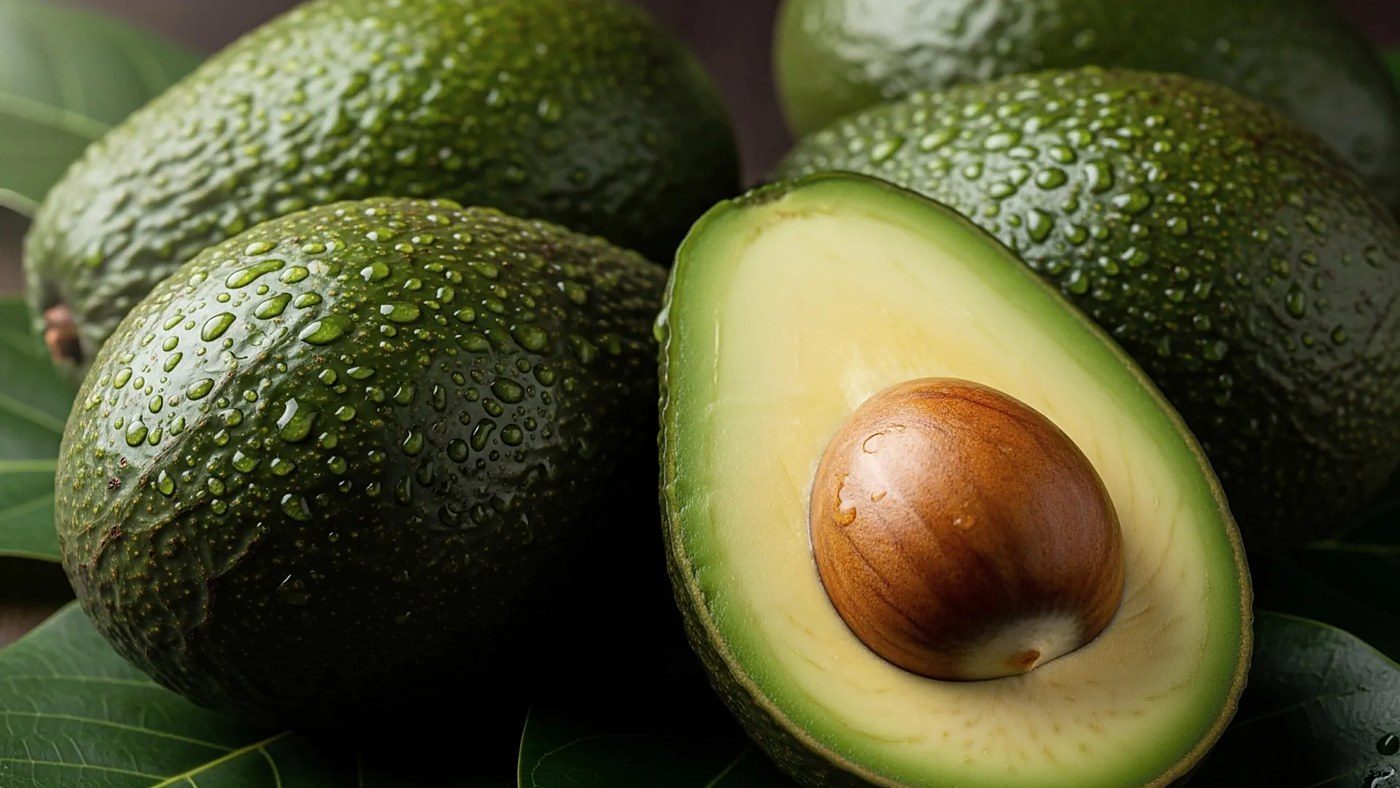
A real-world Penn State trial found a daily avocado modestly cut LDL particle counts in adults with obesity, an estimated 4% drop in heart disease risk [22][25].
05
Confidence in US food-safety oversight hit record lows across three trackers as a Cyclospora outbreak topped 20,000 cases, and 40% of Americans said they're eating less produce [66].
$240.1 millionOatly's Q2 2026 revenue, up 15.2% year over year [67]
21%growth in Europe and international revenue, to $143.1 million, driven mainly by Barista product volume [67]
+8% to +10%Oatly's new full-year revenue growth guidance, raised from a prior +3% to +5% [67]
Company claim"switching to 100 percent British oats could reduce the climate footprint of its Barista range by up to 13 percent by the end of 2026" (Oatly) [67]. This is the company's own unaudited projection, not an independently verified measurement.
Plant-based diet cuts LDL 17.9% in genetic high-cholesterol trial
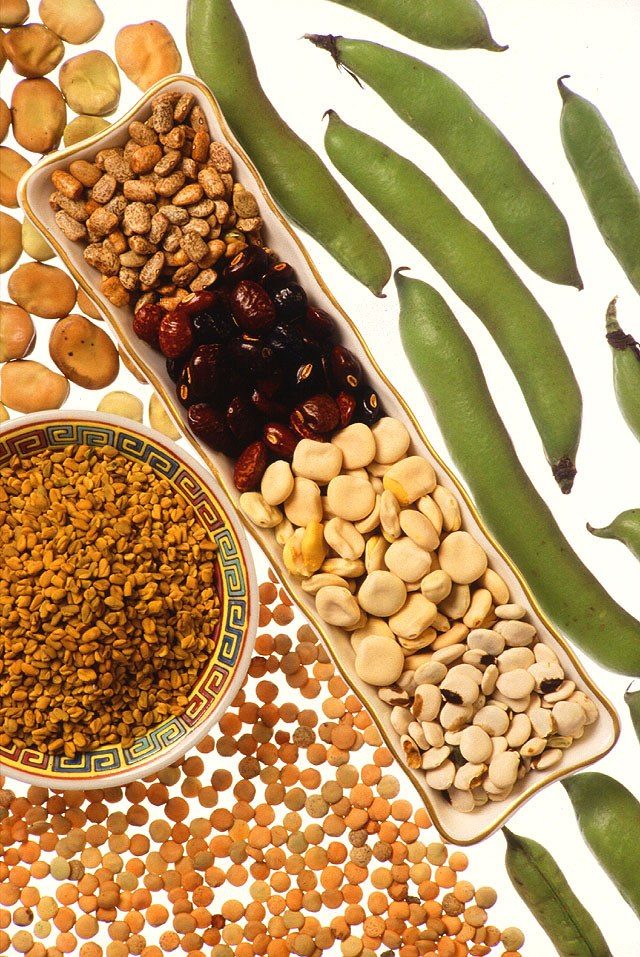
Wikimedia Commons / Legume
By the numbers
-17.9%LDL cholesterol on the whole-food plant-based diet versus a standard American diet (95% CI -21.7% to -14.3%, P < 0.0001) [5][32]
50adults with genetically confirmed familial hypercholesterolemia completed the four-week, crossover, fully controlled feeding trial [5][32]
Solid"The WFPB induced a clinically significant reduction in LDL-C relative to the SAD" (study authors, Nature Communications) [5][32]. A randomized, controlled crossover feeding trial, but only 50 participants and four-week arms in a genetic-disease population, so durability outside the feeding lab is untested.
FromPubMedPrimary Sources
03▲Research & NutritionStory
Vegetarian diets cut cancer risk 13%, vegan diets cut it 23%
Wikimedia Commons / Vegetable
By the numbers
13% lowertotal cancer risk in vegetarians versus non-vegetarians (RR 0.87, 95% CI 0.84-0.91, 4 studies) [10]
23% lowertotal cancer risk in vegans versus non-vegetarians (RR 0.77, 95% CI 0.70-0.85, 3 studies) [10]
45% lowerstomach cancer risk in vegetarians versus non-vegetarians (RR 0.55, 95% CI 0.36-0.86) [10]
Solid"Vegetarian diets compared to non-vegetarian diets are associated with reduced risk of total cancer and seven specific cancer types" (study authors, European Journal of Epidemiology) [10]. Pooled from prospective cohort studies; the authors themselves rate the strength of evidence "probable," not proven, since observational data can't establish causation.
“If people want to improve the quality of their diet, making one small change might be a more feasible strategy than attempting to change their entire diet.”
Janhavi Damani, Penn State postdoctoral scholar and the study's first author · [22]
By the numbers
-49.1 nmol/LLDL particle concentration change among adults eating an avocado daily for 26 weeks, versus habitual diet (95% CI -83.6 to -14.5) [25]
786adults with abdominal obesity enrolled in the Habitual Diet and Avocado Trial [22][25]
Solid"an estimated 4% reduction in heart disease risk" (Penn State researchers) [22]. The peer-reviewed trial measured a real drop in LDL particle count; the 4% figure is a modeled estimate from that biomarker change, not a directly observed drop in heart attacks or strokes.
FromNutrition Research News -- ScienceDailyPrimary Sources
Worth Knowing
Food & Recipes
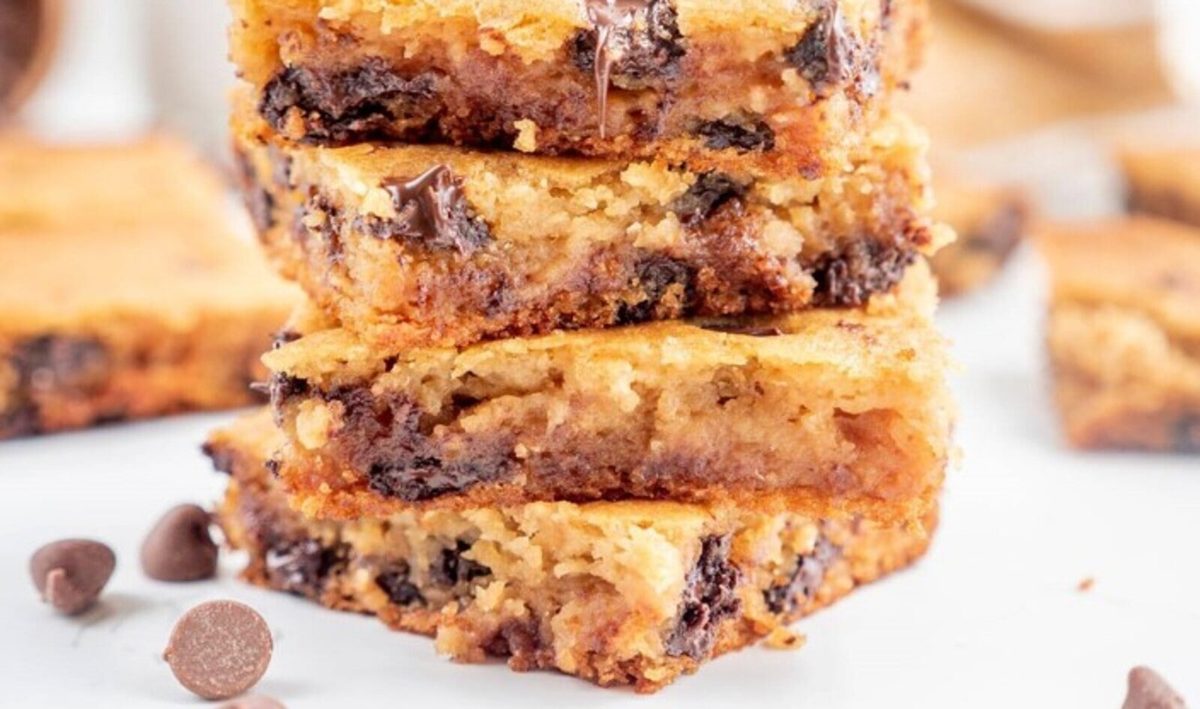
Try this: canned white beans blend into these vegan chocolate chip blondies for a fudgy dessert with extra protein and fiber [57].
Research & Nutrition
A meta-analysis of 17 studies covering 456,783 adults found plant-based diets linked to 18% lower odds of hypertension [9].
Plant-based diets lowered C-reactive protein by 1.13 mg/L compared with omnivorous diets across seven controlled trials, though the researchers rated the certainty low [11].
A six-day crossover trial found swapping red meat for plant-based meat lowered TMAO, a heart-disease marker, but also nudged body weight and a cardiac stress marker up slightly [12].
Recreational runners and lifters at four universities showed no significant performance difference after four weeks on a plant-based diet [16].
A four-month, 82-microgram daily multinutrient supplement corrected vitamin B12 biomarkers in healthy vegans, with vitamin A, K and folate levels unchanged either way [20].
A 12-week trial combining a high-protein, partly plant-based diet with fiber supplementation improved psychomotor speed and memory and reduced hunger, though the fiber itself didn't change brain activity toward food cues [7].
Cognitive-impairment and dementia risk fell with diets rich in healthful plant foods and rose with diets heavy on refined plant foods, across pooled cohort meta-analyses [15][18].
Activism & Animals
Animal Ethics published a new report arguing aquatic animals show clear evidence of suffering and enjoyment despite receiving far less research attention than land animals [64].
Innovation
Ag-biotech firm Micropep filed for US and EU approval of a peptide-based biofungicide engineered to be hard for fungi to evolve resistance against [62].
A review of cultivated-meat patent strategy found companies increasingly balancing IP protection with knowledge-sharing, including a strategy of openly sharing close failures with rivals [63].
One Good Thing
A UK study tried something almost too simple to count as an intervention: stop pairing "Falafel Burger" next to "Beef Burger" on a menu, and put it beside something like "Chicken Pie" instead. Nothing else changed, but meat eaters chose the plant-based option far more often, from 21% up to 30% when two mains were on offer, and from 37% up to 45% with three [13]. No lecture, no substitute-guilt, just a menu that stopped inviting the comparison. Sometimes moving veganism forward looks less like a debate and more like better writing on a chalkboard.