Parima produced cultivated duck in a single 22,000-liter run on Vow's Sydney line, reporting a 99% cost drop from earlier batches, completed on the first attempt with no performance loss.
4 top stories28 sources read94 articles scanned6 sides of vegan life
Parima produced cultivated duck in a single 22,000-liter run on Vow's Sydney line, reporting a 99% cost drop from earlier batches, completed on the first attempt with no performance loss. [61]
02
A PNAS peer-reviewed study finds the Trump administration's 2026 dietary guidelines, with their push for more animal protein, could raise US food emissions 33% versus a plant-protein approach. [57]
03
Livekindly Collective acquires German plant-based brand Greenforce, adding meat, cheese, and egg alternatives to its portfolio in Europe's €1.7B plant-based market. [25][58]
04
Dutch alt-protein startups including Mosa Meat and Those Vegan Cowboys call on their government to mobilize €200M via an EU funding mechanism to scale cultivated meat and fermentation. [55]
05
Industry-backed nutrition studies are 16 times more likely to report favorable conclusions about meat than independently funded research, a meta-review in Obesity Reviews finds. [92]
06
West African leopards in Benin's Pendjari National Park show rising density between 2017 and 2023, despite just 354 remaining across the region and active armed-group infiltration. [70]
The Stories: the day’s biggest developments, in the sources’ own words
01InnovationStory
Parima produces cultivated duck at 22,000-liter multi-tonne scale
A first attempt at scale on borrowed infrastructure, completed without incident, that changes what the sector can now claim.
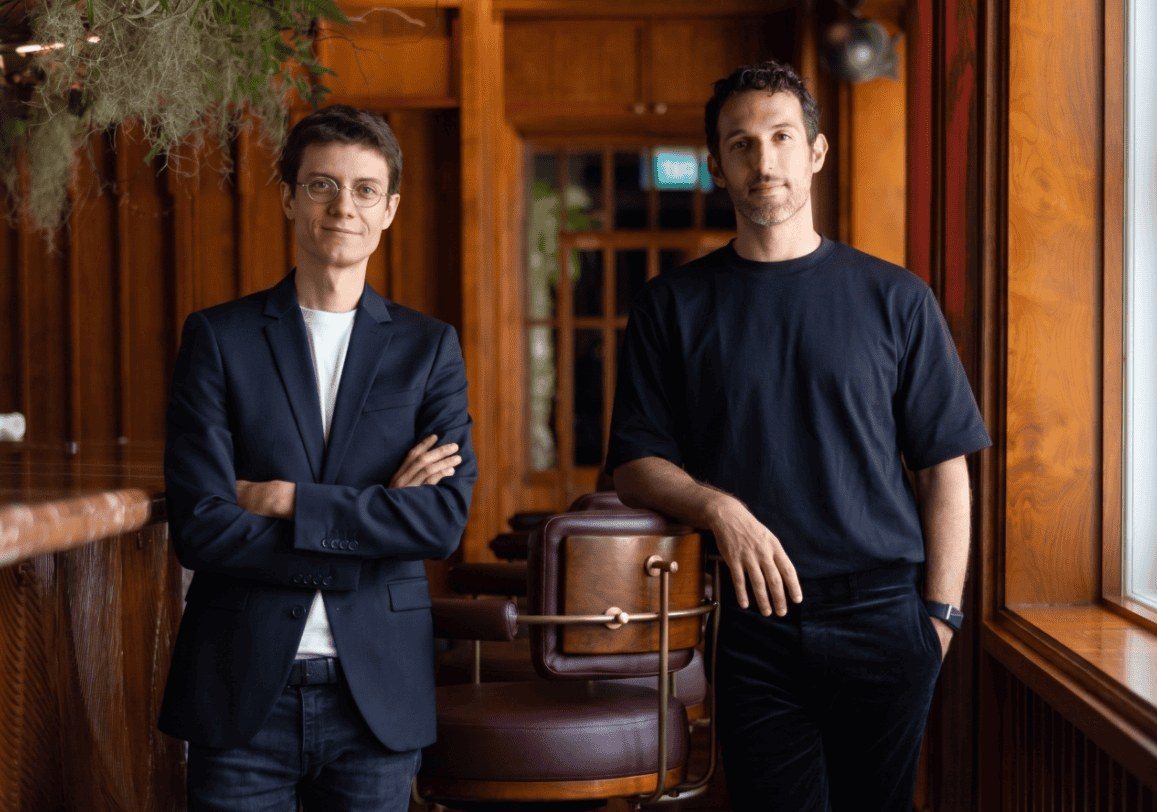
Photo: vegconomist
France-based Parima ran a 22,000-liter batch of cultivated duck on partner Vow's Sydney production line in July 2026, completing the run on the first attempt with no performance loss versus smaller scales. [61] Parima's cells grow as undifferentiated biomass in suspension, without scaffolds or growth factors, a process closer to fermentation than the tissue-engineering approach used by earlier cultivated meat developers. [61] Regulatory clearances from Singapore and Australia's FSANZ are already in place. A July 2026 Arthur D. Little analysis found the sector is shifting from companies owning their own plants toward producing on shared commercial infrastructure, cutting the capital burden that has stalled competing firms.
“Economic viability for cultivated meat is no longer an extrapolation from pilot runs. It's here.”
Nicolas Morin-Forest, co-founder and CEO, Parima · [61]
“Growth media is becoming a product bought from dedicated suppliers, bioproduction is being offered as a service through tolling and contract facilities, and existing food infrastructure is being reused downstream.”
22,000 literssingle batch volume, described by Vow as the largest cultivated meat production run built to date [61]
2regulatory species approvals (chicken and duck in Singapore), a first for any company [61]
Oct 2025Parima formed from merger of Gourmey and Vital Meat; Singapore duck approval followed six months later [61]
Company claim"99% reduction in production cost compared with its earlier runs" (Parima) [61]. Attributed to cell-culture yield gains and volume efficiencies at 22,000L; no independent audit of the cost comparison exists.
ProvenSingapore regulatory clearance for cultivated duck (April 2026) and FSANZ risk assessment completion (May 2026), regulatory records [61]. Parima became the first company approved for cultivated food across two species.
The threadOct 2025 → Today
Oct 2025Parima formed from Gourmey/Vital Meat merger [61]
Apr 2026Singapore clears cultivated duck; second species approval, a global first [61]
May 2026FSANZ completes Australia and New Zealand risk assessment [61]
Today22,000-liter multi-tonne run completed at Vow's Sydney facility on first attempt [61]
Fromvegconomist the vegan business magazine
02InnovationStory
US dietary guidelines could lift food emissions 33%, PNAS study finds
Telling Americans to eat more protein without specifying which kind carries an environmental price tag the guidelines do not mention.
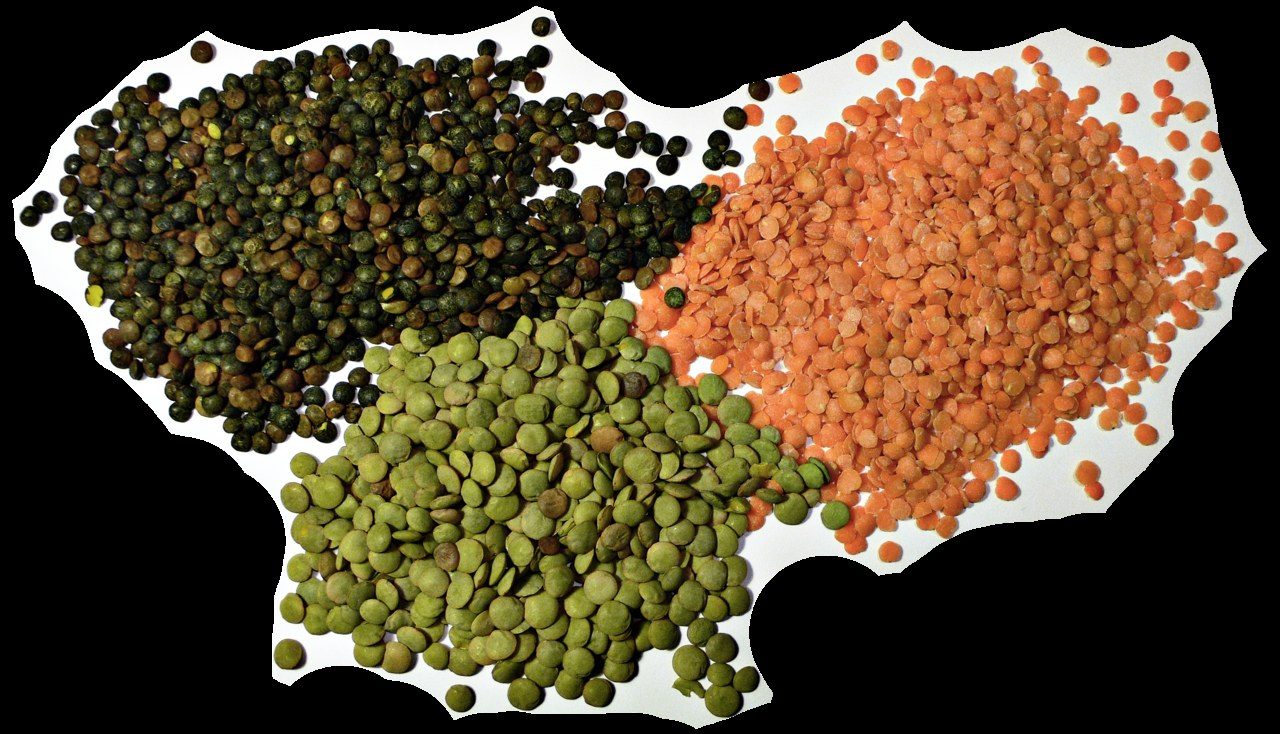
Wikimedia Commons / Lentil
A study in Proceedings of the National Academy of Sciences modeled the environmental consequences of following the Trump administration's 2026 dietary guidelines, which raised the recommended protein intake from 0.8g to 1.2-1.6g per kilogram of body weight and explicitly endorsed red meat, butter, and whole milk. [57] Where that added protein comes from animals, the researchers found 33% higher greenhouse gas emissions, 28% greater land use, and 16% more water consumption than a plant-protein-equivalent increase. [57] They note that a nationwide shift to grass-fed beef could supply only half of current US beef consumption, so more protein from meat necessarily means more industrial production. The authors call the guidelines "hard on the heels of hostility towards climate science."
“The dietary guidelines must be revised so as to realign them with overwhelming evidence and established science. Most urgently, this requires prioritising plant-based foods over animal-based ones.”
33%higher greenhouse gas emissions in the high animal-protein scenario versus an equivalent plant-protein increase [57]
28%greater land use; 16% more water consumption in the same scenario [57]
46%of the US diet's current greenhouse gas footprint attributed to ultra-processed foods, two-thirds of which comes from livestock-derived ingredients [57]
200+doctors, dietitians, and researchers who wrote to RFK Jr. and Agriculture Secretary Rollins calling the recommendations "at best, confusing, and, at worst, harmful to public health" [57]
Solid"33% higher emissions" for the animal-protein scenario versus an equivalent plant-protein increase (PNAS, peer-reviewed modeling study, doi: 10.1073/pnas.2604814123) [57]. Sound design; the main limitation is the model assumes dietary patterns shift as written, not as historically observed.
Solid"A nationwide transition to grass-fed beef could only support half of the current beef consumption levels in the US" (researchers, PNAS) [57]. Well-established land-use constraint, supported by prior literature cited in the study.
FromGreen Queen
03InnovationStory
Livekindly Collective acquires Greenforce in European plant-based consolidation
Germany buys more plant-based alternatives than any other European country, and Livekindly just made sure it owns more of that shelf.
Wikimedia Commons / Seitan
Livekindly Collective, owner of Fry's, Oumph, and Like brands, agreed to acquire German startup Greenforce, which sells plant-based meat, cheese, and egg alternatives in Rewe, Edeka, Kaufland, and Spar. [25][58] Germany's plant-based market reached €1.7 billion in 2025, up 3% year-on-year; Livekindly's Like brand holds 57% of the German plant-based strips category and grew 12% last year. [58] Greenforce adds product depth and distribution reach across a market the company already calls its most important in Europe. The deal is one of more than 80 acquisitions, mergers, or closures in the alt-protein sector since September 2024, a wave Livekindly's CEO had publicly forecast.
“There's still too many small brands and there will be consolidation of those brands in the next couple of years.”
€1.7BGerman plant-based market in 2025, up 3% year-on-year [58]
57%Like brand's share of the German plant-based strips category, growing 12% last year [58]
80+alt-protein companies acquired, merged, or closed since September 2024 [58]
40+markets where Livekindly's retail brands now operate [58]
WatchRegulatory approval pending; both companies operate independently until cleared. [58]
FromGreen QueenJust Food
04Wins & CultureStory
Meat industry-funded nutrition research 16 times more likely to favor meat
A 16-to-1 odds ratio tells you something the dietary guidelines don't.
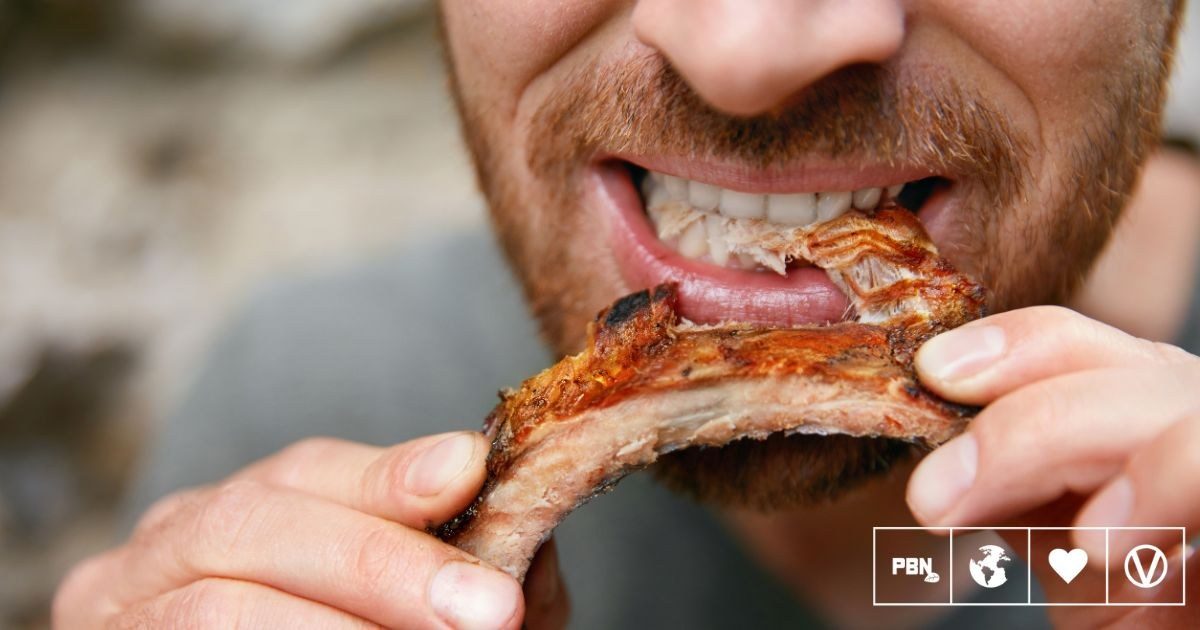
Photo: plant based news
A meta-research review in Obesity Reviews analyzed 500 peer-reviewed nutrition studies on meat consumption published between 2014 and 2023 and found that studies with meat industry ties were 16 times more likely to report favorable conclusions about meat than independently funded research. [92] Three-quarters of industry-affiliated studies found meat beneficial; just one reported a negative outcome. [92] Among independently funded studies, 10% reached favorable conclusions. The authors call for tighter conflict-of-interest standards and describe the pattern as directly relevant to how nutrition evidence shapes dietary guidelines and public health policy.
By the numbers
500nutrition studies analyzed, published 2014-2023 [92]
10%of independently funded studies found meat beneficial [92]
Solid"16 times more likely to report favorable conclusions regarding meat consumption" (Teimouri et al., Obesity Reviews, May 2026; OR = 16.4, 95% CI: 7.5-35.8, p < 0.001) [92]. Peer-reviewed meta-research review of 500 studies across PubMed and Scopus; industry affiliation assessed via author declarations and acknowledgments; limitation is reliance on self-reported disclosure.
FromPlant Based News
Worth Knowing
Food & Recipes
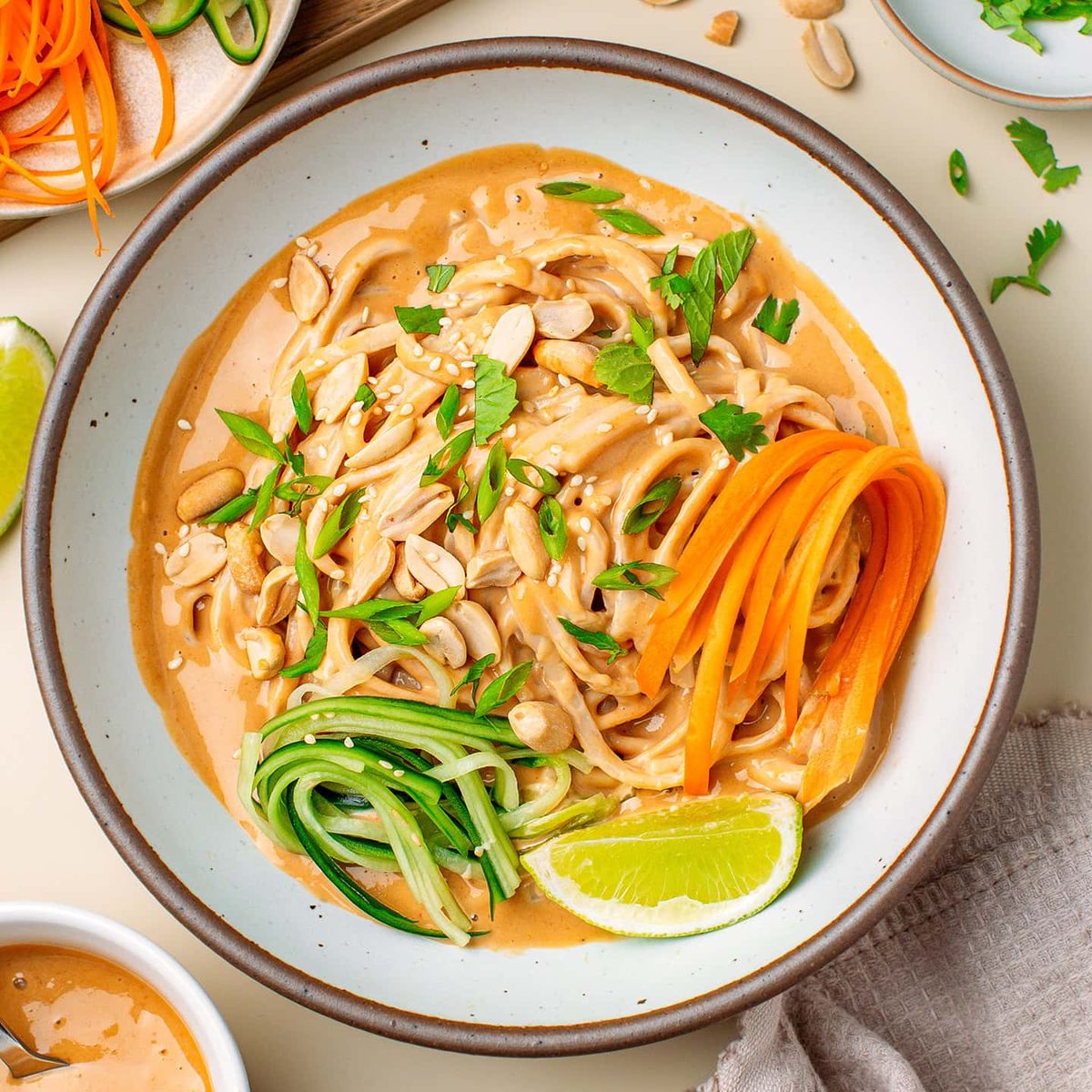
Try this tonight: cold peanut noodles with creamy sesame-lime peanut sauce, julienned cucumber and carrot, and fresh mint, ready in 20 minutes with minimal stove time. [20]
Bath's Morso Bakery opened in June and has sold out almond croissants and cinnamon buns every day since; it is entirely plant-based, but owners Matt and Georgia are letting the pastries make the case rather than the label. [42]
Innovation
US plant-based seafood is merging across the Atlantic: Louisiana-based Bayou Best Foods acquired Berlin's BettaF!sh, combining US shrimp distribution with BettaF!sh's seaweed-based TU-NAH and SAL-NOM alternatives for European foodservice. [59]
Israeli startup ProFuse Technology raised $1.5M to pivot from cultivated meat cell-culture media to a high-throughput platform screening molecules that can counter muscle loss in GLP-1 drug users. [44]
Gas fermentation consolidation continues: Biosphere acquired the assets of defunct NovoNutrients, gaining a pilot-scale loop reactor and a strain bank of hydrogen-oxidizing bacteria under US military contract alignment. [45]
German ingredients firm Planteneers introduced plant-based meat and dairy systems free of methylcellulose and carrageenan, two additives increasingly pushing shoppers away from alt-protein labels. [60]
Lever Foundation is expanding its plant-based food availability program to India and Thailand, where meat consumption is rising despite deep plant-forward culinary traditions and survey majorities expressing interest in plant protein. [56]
Berlin Fashion Week introduced first-ever minimum sustainability requirements for participating brands, requiring a 100-question survey audited by a third party before a brand appears in the official lineup. [47]
Activism & Animals
UK deforestation rules covering soy, palm oil, cocoa, and rubber advanced as DEFRA promised to bring the long-delayed Schedule 17 of the 2021 Environment Act forward; a parliamentary vote is expected in 2027. [66]
Mercy For Animals added Eitan Fischer (founder of Animal Charity Evaluators and Mission Barns), Alan Darer (VP at Mobius, co-founder of an alt-protein political fund), and Mitch Howell (Goldman Sachs) to its board. [76]
A first-of-its-kind survey of 326 Iranians found 97% believe animal welfare laws are important, 96% say farmed animal welfare matters, and 88% would pay more for humane products if they could afford to. [74]
A 126-trial meta-analysis found real-world government nudge programs toward plant-based food produce an average 1.4% behavior change, versus 8.7% in published academic studies, a gap researchers attribute to cost and implementation friction at scale. [78]
Wins & Culture
MLB pitcher Spencer Strider went vegan in 2019 during Tommy John surgery recovery, came off blood pressure medication within two weeks, and went on to set the record as the fastest pitcher in MLB history to reach 100 strikeouts in a season (61 innings). [91]
One Good Thing
In 1982, the International Whaling Commission voted to halt commercial whaling, effective 1986. At that point, humpback whale numbers off Brazil had fallen to roughly 2,000. Today the population sits at around 35,000, close to pre-whaling levels, and the animals are now turning up in Guanabara Bay in front of Rio de Janeiro, where a new whale-watching business runs sailboat trips with a biologist on board. [68] The Humpback Whale Project launched a scientific expedition this week to study whether the bay might become a resting or calving site. One moratorium, held for four decades, did that.
These cold peanut noodles come together in just about 20 minutes and taste super fresh and peanutty. The sauce's made with simple ingredients like natural peanut butter, lime…
20 min4 servings14 ingredients
See the ingredients
1 tbsp oil
2 cloves of garlic (minced)
1/2 cup natural peanut butter
5 tbsp water
2 tbsp maple syrup
2 tbsp soy sauce
1 tbsp toasted sesame oil
2 tbsp lime juice
1/2 tsp sweet chili sauce
8 ounces noodles
1 medium carrot (julienned)
1/2 small cucumber (julienned)
1/4 cup roasted peanuts ((optional))
1/3 cup chopped herbs ((I used a mix of mint, green onions, and cilantro))




 vegconomist the vegan business magazine
 Just Food