01InnovationStory
The Protein Brewery wins EU novel food clearance for Fermotein mycoprotein
The EU just handed a Dutch fermentation startup the regulatory credential the whole European alt-protein market has been waiting for.
What happened: the record
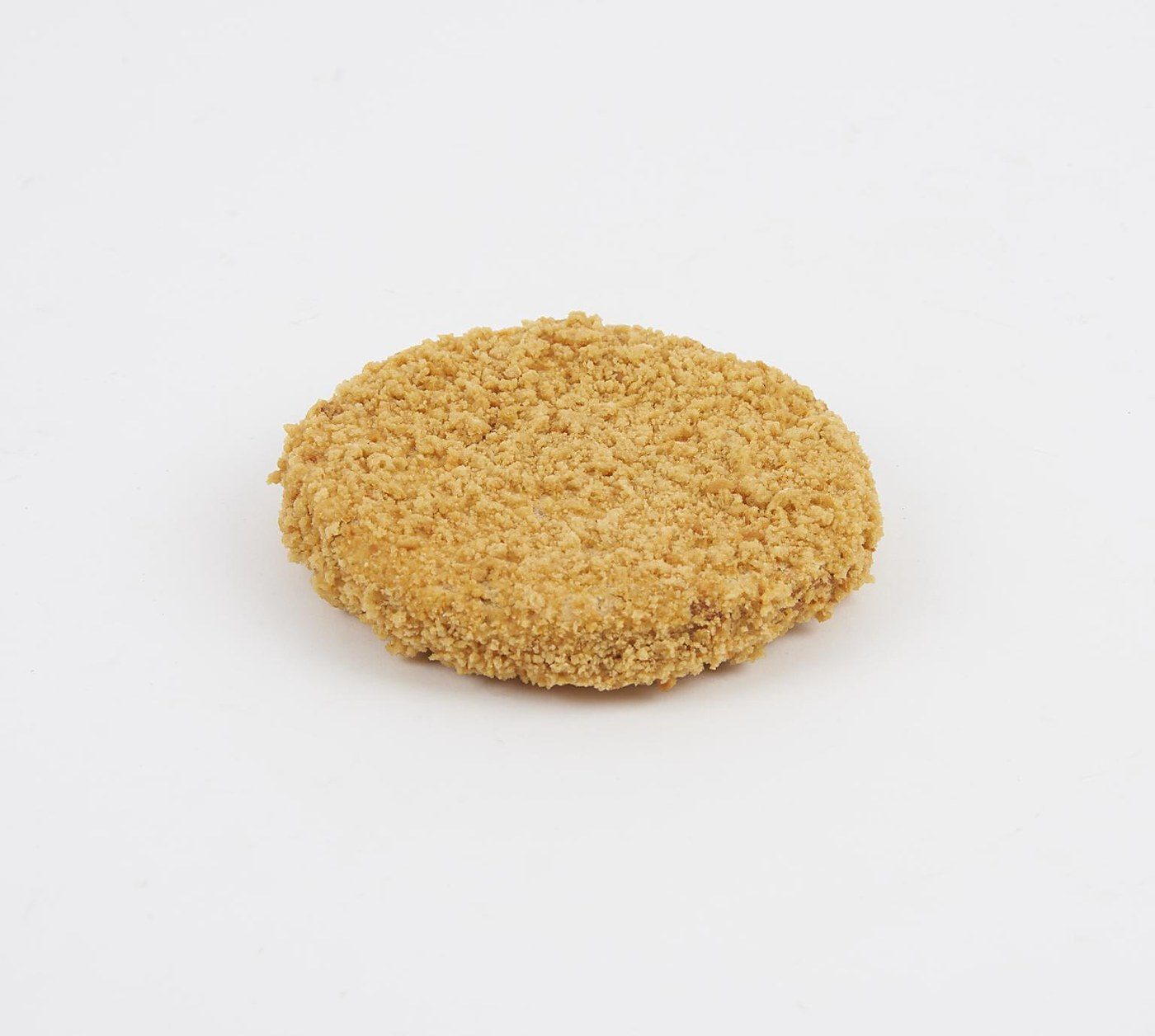
The European Commission amended its novel food implementing regulation in June 2026 to authorize Fermotein, per Green Queen, making The Protein Brewery's whole-cell mycoprotein the first whole-mycelium fungal protein cleared for sale in the EU [28]. The authorization was confirmed in the Official Journal of the EU and entered into force 20 days after publication. The product is derived from Rhizomucor pusillus, a heat-tolerant fungal strain fed on glucose in fermentation tanks, then pasteurized, dried, and milled into powder. Within days of the approval, the company closed an €18M ($20.5M) extension of its Series B round, bringing total funding above €70M. The round was led by ABN AMRO's Sustainable Impact Fund and joined by Invest-NL, Novo Holdings (parent company of Novo Nordisk, maker of Ozempic), Madeli, and the Brabant Development Agency. CEO Thijs Bosch told Green Queen the company has already sold out its 2026 US production capacity, expects its Breda facility to supply 600 tonnes in 2027, and plans to expand beyond 2,000 tonnes by 2029 [28]. EU market entry is targeted for Q4 2026, with a focus on active-nutrition powders, protein bars, and meal-replacement shakes.
Why it matters
The Protein Brewery reports that Fermotein contains 50g of complete protein per 100g with a PDCAAS score of 1, 30g of fiber, and 6g of fat, and that production uses 1% of the land, 5% of the water, and 3% of the emissions of beef production (these are company figures, not yet independently peer-reviewed, and should be treated as such until confirmed by third-party life-cycle assessment) [28]. What is independently confirmed: the EU novel food authorization, which requires demonstrating safety, nutritional composition, and absence of unacceptable risks. That bar is real. The open question is commercial, not regulatory: at what price per gram does Fermotein compete outside premium supplement powders? The 2029 production target of 2,000-plus tonnes is where that math starts to shift.
02Research & NutritionStory
Fish oil supplements fail two-year Alzheimer's clinical trial
The DHA reached the brain. The benefits didn't.
What happened: the record
A two-year, double-blinded, placebo-controlled clinical trial at Keck Medicine of USC enrolled 365 adults aged 55 to 80 who rarely consumed fish and were at elevated Alzheimer's risk. Nearly half (47%) carried the APOE4 gene variant, the strongest known genetic risk factor for late-onset Alzheimer's. Half received 2,000mg of DHA daily; half received a placebo. After six months, DHA in participants' cerebrospinal fluid had risen by an average of 17%, confirming the nutrient crossed into the brain. At the two-year mark, DHA recipients scored no better than the placebo group on cognitive tests. Brain imaging showed no difference in hippocampal shrinkage, a standard marker of brain aging and Alzheimer's risk. The study was published in June 2026 in eBioMedicine [18].
Why it matters
Americans spend more than $1 billion annually on fish oil supplements [18], a market built substantially on brain-health claims. This trial is about as rigorous a test of that premise as exists: large controlled cohort, confirmed delivery of the active ingredient to the brain, two-year follow-up. It came up empty. Lead investigator Dr. Hussein Naji Yassine said the findings "do not support fish oil supplements as a preventive measure against Alzheimer's" and pointed instead toward Mediterranean-style dietary patterns, which are naturally rich in whole plants and low in processed meat, as the more likely protective factor [18]. The trial used fish-derived DHA specifically, so it cannot speak to whether algae-based DHA (the plant-sourced equivalent, bioidentically the same molecule) would show a different result. That question remains open. What the study settles is simpler: dropping a capsule into an otherwise unchanged diet doesn't work.
03Law & PolicyStory
Big Food's regenerative agriculture targets are sliding backward
The pledges are getting louder. The numbers are getting smaller.
What happened: the record
Institutional investor network FAIRR evaluated 50 major food and beverage companies with regenerative agriculture commitments and found that only 28% have quantitative targets, down from 35% in 2023 [44]. Outcome-based targets, those measuring actual results such as pesticide reductions or water savings, exist at just 4% of companies. Brazilian meat giant JBS stopped disclosing quantitative targets entirely; FoodNavigator reports the company has offered no explanation [44]. The same week, Nestlé pledged support for the Regenerating Together Programme (RTP), a coalition of 40-plus food companies aiming to develop common metrics and implementation frameworks for regenerative agriculture. Nestlé's public commitment is sourcing 50% of key ingredients from regenerative farms by 2030, with dairy, cocoa, and coffee as the priority commodities [45]. PepsiCo and Danone are among the few named by FAIRR as having set genuine outcome-based goals [44].
Why it matters
The FAIRR data reveal a pattern now common enough to have a name: companies are measuring more (54% say they now track outcomes, up from 16% in 2023) while committing to less (fewer with quantitative targets than two years ago) [44]. Measurement without accountability is marketing. Nestlé's RTP pledge is the right public posture, but the framework it's joining is still developing its common metrics, which means there is nothing yet to hold anyone to [45]. For the plant-based movement, the detail worth noting is in the priority crops: dairy, cocoa, and coffee are the focus of these major commitments, not peas, faba beans, or alt-protein crops. If regenerative agriculture spending follows those commitments, it flows overwhelmingly toward animal agriculture's inputs rather than toward the plant-based supply chains that need investment most.
04Activism & AnimalsStory
Asia Farming Solutions maps sow welfare in Philippine smallholder farms
A Filipino nonprofit just produced the first systematic welfare evidence from a farming system that houses nearly 9 million pigs, almost none of it previously documented.
What happened: the record
Asia Farming Solutions, a Philippine nonprofit and Animal Charity Evaluators Movement Grants recipient, published a scoping study based on direct farm visits, interviews, and stakeholder consultations across multiple provinces [34]. The study found widespread gestation-crate confinement among breeding sows in smallholder pig farms, which house roughly 70% of the Philippines' 9 million pigs. Welfare observations included restricted mobility, prolonged confinement, absence of enrichment, and visible stress behaviors. The study also found that post-African Swine Fever rebuilding is, in many cases, pushing farmers toward tighter confinement rather than loosening it: restrictive housing is perceived as a disease-risk management tool and an easier way to monitor animals. Executive director Castle Reynera told Animal Charity Evaluators that these conditions are inseparable from structural pressures including financial instability, disease risk, limited infrastructure, and lack of technical support [34].
Why it matters
Philippine smallholder pig farming sits in a gap that repeats across Southeast Asia: enormous animal populations, almost no welfare documentation, and no policy conversation to speak of. The scoping study itself is the first intervention, since you cannot reform conditions you cannot describe [34]. Asia Farming Solutions framed its campaign around what is actually achievable: low-cost housing modifications, pilot group-housing demonstrations, and gradual transition pathways for farmers operating near the margin. Reynera was direct about the limits, immediate large-scale moves away from gestation crates are not feasible for most smallholders, and said so. That kind of honesty from an advocacy organization is not common. It's also what makes slow, incremental reforms last.
05InnovationStory
KoRo acquires Seedtrace to make supply chain claims verifiable
Supply chain transparency in food has been largely a matter of trust. KoRo just bought the software to put records behind it.
What happened: the record
Berlin-based food company KoRo acquired the intellectual property of Seedtrace, a supply chain transparency software firm, in an IP-only deal; the Seedtrace team was not included [31]. KoRo, founded in 2014 and B Corp-certified, sells nut butters, dried fruit, and clean-label snacks across Europe and reached an 89% vegan product share by April 2025. Its November 2024 Series C round raised €35M. The Seedtrace platform records supply chain data, documents, and farmer details at origin, validates payments to smallholder farmers automatically on a blockchain, and makes the information available to consumers via QR codes on packaging. CEO Florian Schwenkert said the goal is to take "supply-chain transparency at KoRo, and perhaps beyond it across the entire food industry, to a new level in the long term" [31]. Both parties have indicated they intend eventually to develop the platform as an open-source initiative for the wider food industry.
Why it matters
Blockchain-verified supply chains remain a niche feature, but the combination of B Corp certification, an 89% vegan range, and traceability down to individual smallholder payment records is a real differentiator at a moment when greenwashing scrutiny is rising and "we know our farmers" has become a marketing cliché [31]. The open-source ambition is worth tracking: if the platform extends beyond KoRo, it could become shared infrastructure for smaller plant-based brands that can't afford to build their own. Seedtrace co-founder Katharina Elisa Davids put it bluntly: "A lack of transparency must not be a business model." Whether KoRo actually follows through on open-sourcing is the question that will determine whether this acquisition matters beyond one company's marketing [31].