




Canada's $2.1B food strategy leaves plant protein out
The country that grows the world's lentils and peas just built a decade-long food plan without them.
What happened: the record
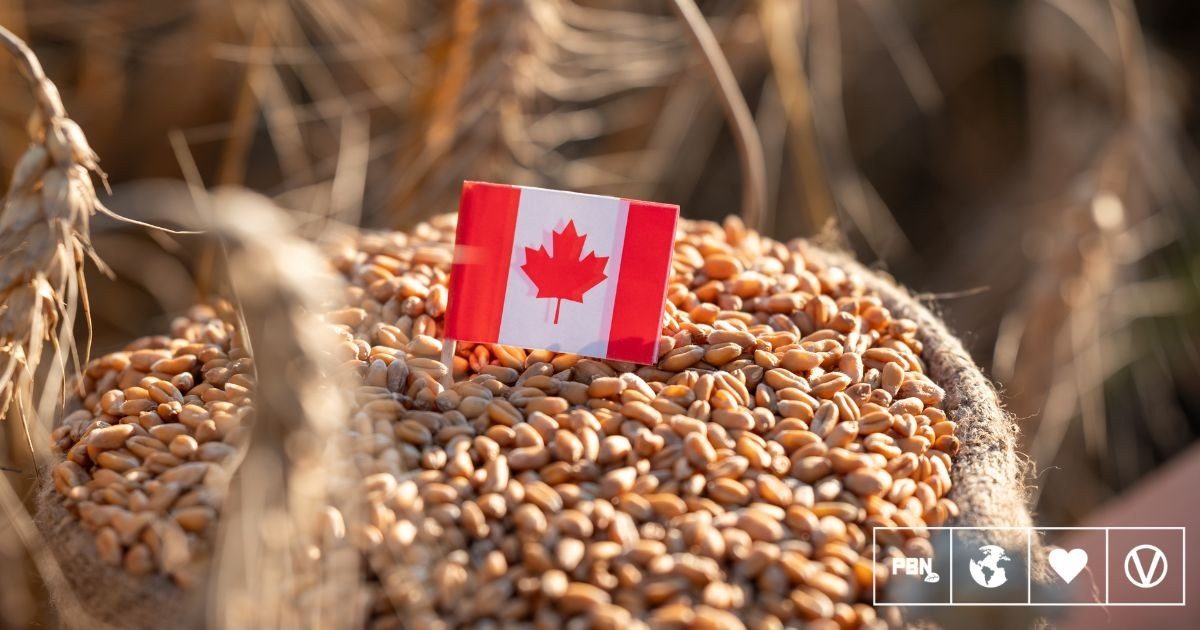
Canadian Prime Minister Mark Carney announced a 10-year National Food Security Strategy backed by CAD $3 billion (USD $2.1 billion). The strategy aims to lower food costs, boost domestic production, cut regulatory friction, and increase grocery competition. It includes plans for expanded animal farming and seafood production. World Animal Protection Canada stated that the country "is already a global leader in producing plant-based proteins like lentils, beans and peas" but is "missing the chance" to build on that position. Plant Based News reports the strategy does not mention plant-based or alternative proteins anywhere in its text, making it the first major national food strategy of its kind in Canada [26]. The October 2025 EAT-Lancet Commission report, a major multi-author scientific assessment, found that widespread adoption of a plant-forward diet could prevent more than 40,000 early deaths per day and save $5 trillion annually through improved climate resilience and health outcomes. (EAT-Lancet 2025)
Canada sits on one of the most competitive natural advantages in plant-based food: it dominates global production of the legumes that nutritionists, climate scientists, and food security researchers consistently endorse. Locking in a decade of expanded animal agriculture instead is a real policy choice with real costs. The EAT-Lancet finding of 40,000 preventable deaths per day is from a commissioned scientific report, not a single brand's press release, so it deserves to be treated as the policy backdrop here. Whether Canada was listening is now a matter of record.