EU Approves First Mycelium Protein; AMA Backs Plant-Based Foods
The EU granted novel food approval to Fermotein, the first whole-food mycelium protein to clear the European regulatory framework, after a six-year review of Dutch startup The Protein Brewery's dossier [58, 94, 133].
5 top stories30 sources read246 articles scanned6 sides of vegan life
The EU granted novel food approval to Fermotein, the first whole-food mycelium protein to clear the European regulatory framework, after a six-year review of Dutch startup The Protein Brewery's dossier [58][94][133].
02
The American Medical Association passed a resolution on June 8 calling for more plant-based food options at its own medical meetings, citing cardiovascular and planetary health evidence [7].
03
The Netherlands cut its national meat recommendation to 300g per week, halved daily cheese guidance, and explicitly suggested plant-based dairy alternatives in an update to its national "Wheel of Five" [52].
04
A Quebec court authorized a class action against Starbucks, Second Cup, and Tim Hortons over plant-milk surcharges, after Starbucks admitted its cost to swap cow milk is $0.12 while it charged consumers $0.80 [135].
05
Spain's Barcelona Court of Appeal cleared Heura Foods of unfair competition claims brought by six meat lobby groups, ruling the company's environmental communications were grounded in peer-reviewed science [137].
The Rundown
The Protein Brewery's Fermotein becoming the first whole-food mycelium protein approved for EU sale is the week's defining regulatory event: six years from application, the Dutch startup now has a commercial path to its home market. That six-year wait also handed the Good Food Institute Europe its sharpest argument yet for regulatory reform. The American Medical Association voted on June 8 to put more plant-based options on the menu at its own conferences, citing cardiovascular and planetary health [7], a modest resolution with outsized signal value, since physicians recommending food to patients should probably have eaten some of it. A randomized clinical trial published in Menopause found that swapping animal protein for plant protein drove significant weight loss in postmenopausal women even when total protein intake stayed unchanged, with methionine reduction as the likely mechanism [6]. The Netherlands rewrote its national dietary guidelines to cut meat to 300g weekly and halve cheese, integrating sustainability and health into a single official framework [52].
The Stories: one event, across the categories that covered it
01InnovationSpans multiple topics
Fermotein Wins EU Novel Food Approval as First Mycelium Protein
Six years, 27 member states, one precedent: a Dutch startup proved the EU's novel food framework can handle whole-food mycelium, and now every company behind it has a cleaner map.
Across these topicsInnovationLaw
What each source noticed: source by source
Innovation“The Protein Brewery wins EU approval for Fermotein mycoprotein six years after novel foods filing”AgFunderNews
“The duration was largely a function of being first”
"The duration was largely a function of being first," said CEO Thijs Bosch, who noted EFSA requested two rounds of additional studies at years two and four. AgFunderNews emphasized the commercial advantage of the non-sterile fermentation process, which structurally lowers capital and operating costs compared to other biotech fermentation approaches, and placed Fermotein in the broader context of a growing mycoprotein field where Quorn has long been the sole approved EU player [58].
Innovation“The Protein Brewery's Fermotein Mycoprotein Cleared for EU Sale with Novel Food Approval”Green Queen
“We see strong demand from leading and emerging EU brands looking for a single ingredient that delivers complete protein, fibre, and bioactives”
"We see strong demand from leading and emerging EU brands looking for a single ingredient that delivers complete protein, fibre, and bioactives," said Bosch. Green Queen gave the most detailed nutritional breakdown, noted Novo Holdings (parent of Ozempic maker Novo Nordisk) as an investor, flagged The Protein Brewery's exploration of Fermotein as a natural GLP-1 booster, and contextualized the six-year approval timeline as evidence of European regulatory slowness relative to Singapore and the US [94].
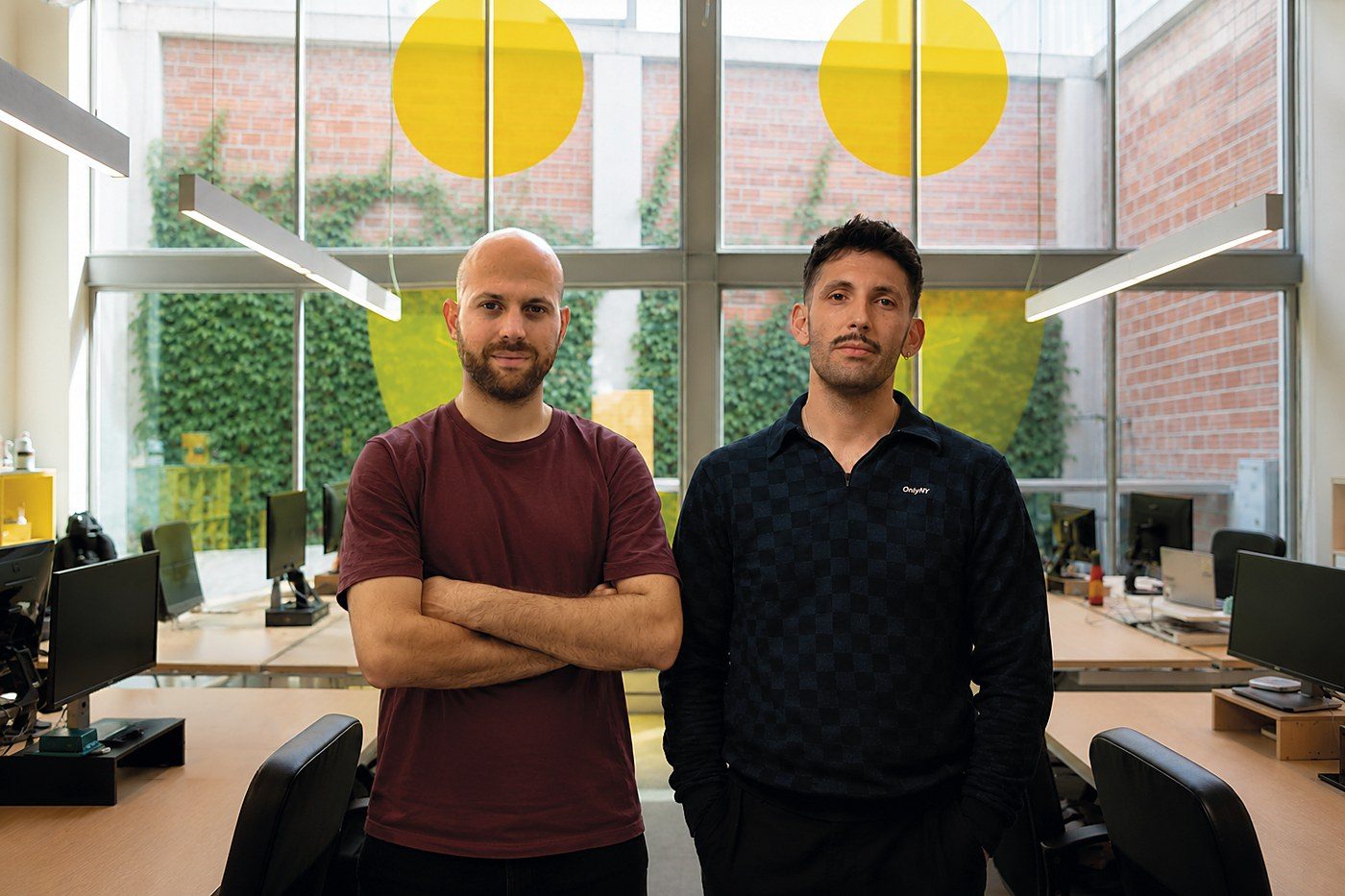
Law“The Protein Brewery's Fermotein Wins EU Novel Food Authorisation as First Approved Mycelium Ingredient”vegconomist
“We are pleased with the way we worked with the European Commission. They were very open to host us in Brussels for a transparent conversation”
"We are pleased with the way we worked with the European Commission. They were very open to host us in Brussels for a transparent conversation," said Dr. Yvonne Dommels, director of nutrition and regulatory affairs. vegconomist reported the formal regulatory steps in sequence and emphasized the five-year data exclusivity and patented production process as the company's commercial protection [133].
Law“Novel foods milestone as new mycoprotein earns first EU approval”GFI Europe
"The fact that this authorisation has taken six years from application to final approval shows the need to ensure the regulatory framework keeps pace with European food innovation," said Lea Seyfarth, policy manager at GFI Europe. GFI Europe used the milestone to argue for structural reform: boosting EFSA capacity, enabling pre-submission scientific dialogue, and updating the regulatory framework to match the pace of food innovation. It cited a Systemiq projection that alternative proteins could contribute €111 billion annually to the EU economy by 2040 [188].
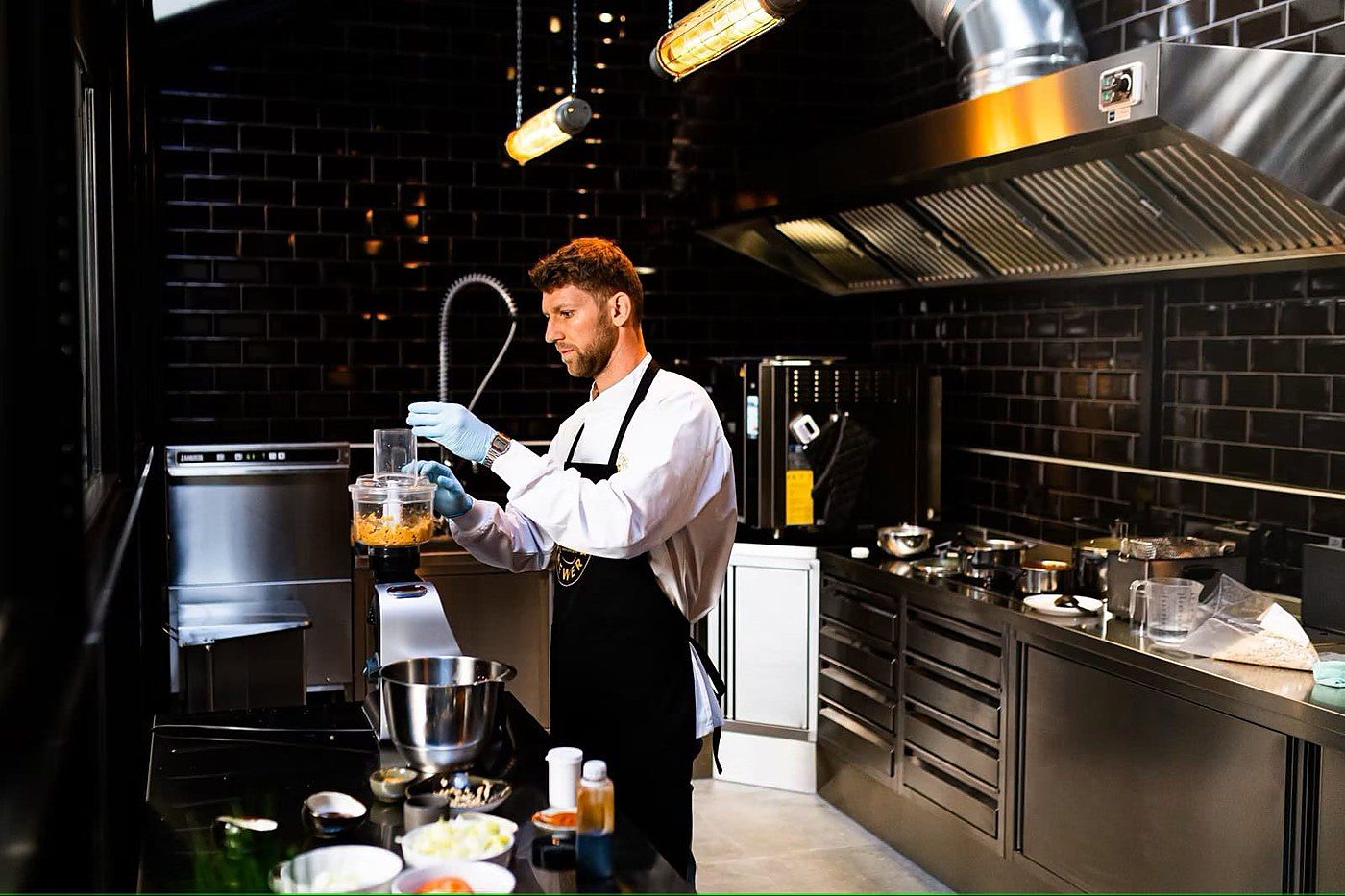
The European Commission adopted its implementing regulation on June 17, 2026, formally adding Rhizomucor pusillus mycelium to the EU list of authorized novel foods. Multiple non-advocacy trade outlets confirmed the approval independently, including FoodBev Media, AgFunderNews, and Food Ingredients First. The Protein Brewery, a Dutch firm spun out of industrial biotech company BioscienZ in 2020, first filed its dossier in May 2020 and received a positive scientific opinion from EFSA in December 2025, followed by a standing committee vote in May 2026. Fermotein is produced by biomass fermentation of a non-fruiting fungal strain grown on glucose, then pasteurized, dried, and milled into powder. The company describes the ingredient as approximately 50% complete protein (PDCAAS score of 1) and 30% dietary fiber. The Protein Brewery already holds US self-GRAS status and Singapore approval; it plans to supply 600 metric tonnes from its Breda factory in 2027 and scale to over 2,000 tonnes by 2029. The implementing regulation grants five years of data exclusivity alongside the company's existing patented production process. Green Queen reports Fermotein "yields 26 times more protein than meat, five times more than soy" and "uses just 1% of the land, consumes 5% of the water and releases 3% of the emissions" compared to beef, figures attributed to the company's own projections [94]. A study commissioned by The Protein Brewery and conducted at Wageningen University found Fermotein "requires five to 30 times less water and five to 20 times less land per kg of protein compared to conventional dairy," per GFI Europe [188].
Why it matters
This approval does two things simultaneously: it gives The Protein Brewery a commercial foothold in its home market, and it gives every other mycoprotein developer a cleaner regulatory path. The EU system can now point to a template. The sustainability claims, 1% of beef's land use, 3% of emissions, come from company-commissioned projections or internal modeling, not independent peer review, so treat them as directional signals rather than settled figures. What is independently verified is the EFSA safety process, which found Rhizomucor pusillus mycelium acceptable across a range of food applications after six years of scrutiny. GFI Europe's €111B annual contribution projection is modeled, not measured. The honest read: a genuine milestone that opens the EU market and establishes regulatory precedent, while the commercial stakes only fully materialize if the company can scale from demo production to 2,000 tonnes without the economics collapsing [58][94][133][188].
02Research & NutritionStory
American Medical Association Votes to Put Plant-Based Food on Its Own Menu
When the organization that certifies American physicians passes a resolution about what to serve at its own conferences, that is worth noting, even if the actual text is gentler than the headline.
What happened: the record
The AMA House of Delegates passed two resolutions on food at medical meetings on June 8, 2026, according to the Physicians Committee for Responsible Medicine [7]. The first calls for "evidence-based behavioral science strategies to promote healthier dietary choices at professional gatherings, while respecting individual autonomy." The second resolution asks the AMA to recognize the importance of "modeling prevention through food choices at its own meetings whenever possible, with an emphasis on increasing the plant-based food choice options." The AMA has previously passed resolutions calling for plant-based foods in hospitals and schools, and called for public education on plant-based diets and breast cancer risk reduction. Existing AMA policy considers meat and dairy "no more than optional" in federal food policy. The new resolutions carry no timeline and use aspirational language ("whenever possible") rather than binding targets.
Evidence note: The primary public source for this story is PCRM, an advocacy organization that lobbied actively for these resolutions. The AMA's own meeting pages confirm the Annual HOD meeting took place in early June 2026, and the specific resolution language PCRM quotes is detailed and internally consistent with prior AMA policy documents. No independent trade press coverage of this specific resolution appeared in searches at time of writing.
Why it matters
The AMA is the closest thing the US medical establishment has to an institutional voice on clinical practice. A resolution placing plant-based eating and "planetary health" in the same formal policy document matters because it shapes the language physicians use with one another and with patients. The Physicians Committee is an advocacy organization that lobbied actively for these resolutions, so the framing is favorable, but the verbatim resolution text is on the public record. The language is aspirational rather than binding, and "whenever possible" carries significant interpretive flexibility. The stronger signal is the cumulative pattern: the AMA now has active policy calling for plant-based options in hospitals, schools, food assistance programs, and its own meetings. Each resolution narrows the distance between clinical nutrition science and institutional practice [7].
03Food & RecipesStory
Netherlands Rewrites Dietary Guidelines, Cuts Meat by 40%
The Dutch national food authority just turned its famous Wheel of Five, and the spin points firmly away from meat and dairy.
What happened: the record
The Netherlands Nutrition Centre (Voedingscentrum) updated its national dietary guidance model, cutting the recommended weekly meat intake from 500g to 300g (with a 100g red meat cap), raising the weekly legume target from 180g to 250g, halving the daily cheese recommendation to 20g, and explicitly suggesting consumers alternate between traditional dairy and plant-based alternatives. The update also reduced the cheese recommendation by half. Voedingscentrum director Petra Verhoef said: "Health, sustainability, and food safety are inextricably linked. We demonstrate this with the updated Wheel of Five." ProVeg International noted in an Instagram post cited by Vegan Food & Living [52] that Amsterdam has already banned meat advertising in public spaces and that new catering guidelines for schools and offices are moving the country toward a "50 per cent plant-based future." A comparable Finnish dietary guideline update in late 2024 was followed by a documented rise in tofu and legume sales [52].
Why it matters
Dutch dietary guidelines feed directly into public procurement for schools, hospitals, and government offices, making this a policy shift that shapes institutional food rather than just advisory text on a website. The Netherlands is already one of Europe's most active national governments on food system transition. The health case behind the new guidance is grounded in established research, not novelty: reducing red meat and increasing legumes is among the most replicated findings in nutritional epidemiology. The Finland precedent, documented legume sales rising after a comparable guideline update, offers a realistic benchmark for what happens next. Whether the Dutch public follows institutional dietary guidance is the open question, but in the Netherlands the guidance also has teeth: it translates directly into cafeteria contracts and procurement rules [52].
04InnovationStory
Quebec Court Puts the $0.12 Number on the Plant-Milk Surcharge Record
Starbucks disclosed its own math, the court wrote it into a ruling, and the gap between cost and charge now has a dollar sign attached to it.
What happened: the record
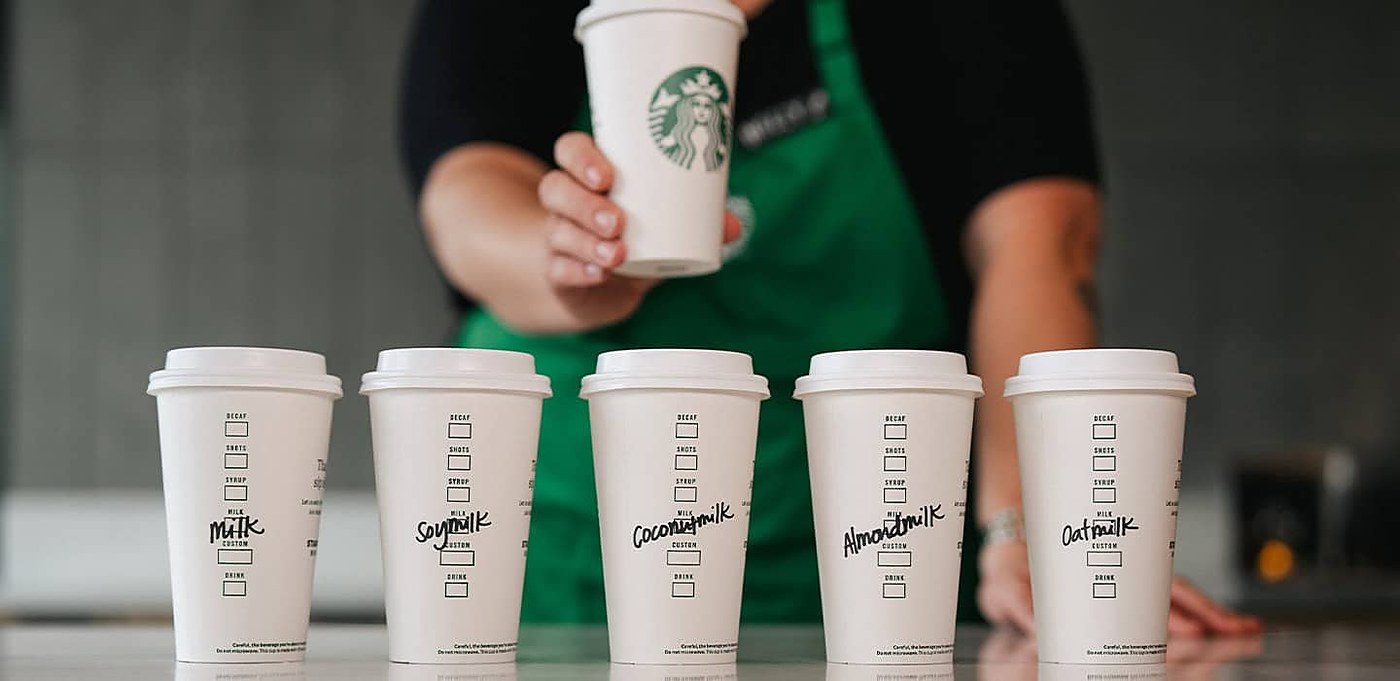
Quebec Superior Court Justice Catherine Martel authorized a class action against Starbucks, Second Cup, and Tim Hortons over plant-milk surcharges, according to vegconomist [135]. In her ruling, Justice Martel cited Starbucks' own admission that substituting plant-based milk for cow's milk costs the company $0.12, while Starbucks charged customers $0.80 for the swap. She wrote that "it does not appear frivolous or manifestly unfounded to argue that it is disproportionate to charge the consumer more than six times what it costs the merchant to substitute cow's milk with plant-based milk." The class action covers Quebec consumers who paid plant-milk surcharges at Starbucks between December 2021 and November 2024, at Second Cup between December 2021 and February 2025, and at Tim Hortons between December 2021 and January 2025. All three chains dropped their surcharges before the authorization. The lawsuit seeks retroactive compensation.
Why it matters
The ruling does not find the chains acted unlawfully, it only allows the case to proceed. But Justice Martel's citation of Starbucks' own cost disclosure is now part of a court record, and that ratio (6.7x markup on a substitution costing less than a bus fare) will be the most quoted figure in any future surcharge dispute anywhere in North America. All three chains already dropped their surcharges, which means consumer campaigns and litigation threat achieved the main practical goal before the court even ruled. Similar suits in the US are framed on disability discrimination grounds (lactose intolerance), while the Canadian approach centers on consumer deception and proportionality, a different legal theory with potentially broader application. Chains including Dutch Bros, Peet's, and Caribou Coffee have also removed plant-milk premiums in recent years, accelerating after sustained pressure. The retroactive accountability question is now in front of a Quebec court [135].
05InnovationStory
Spain's Court Clears Heura of Meat Lobby's Unfair Competition Claims
Six meat industry groups with €31 billion in annual revenue spent four years trying to silence a company with €17 million in sales. The court said no.
What happened: the record
Barcelona's Court of Appeal ruled substantially in Heura Foods' favor, overturning most of a lower court ruling that had sided with six meat industry groups, INTERPORC, PROVACUNO, INTEROVIC, ASICI, AVIANZA, and INTERCUN, in a case filed in 2022 [137]. The appeals court found Heura's social media communications were not misleading, denigrating, or unlawfully comparative, and noted that Heura "ordinarily cites its source" from institutions including the FAO, WHO, IARC, Spain's AESAN food safety agency, Harvard, and Oxford. The court also found that the sweeping sanctions sought by the meat lobby would have constituted "an unacceptable restriction" on freedom of expression under Article 20 of the Spanish Constitution, and ordered the claimants to pay costs. The only point on which Heura did not prevail was a specific 2020 advertising campaign already withdrawn. The court also ruled that terms including "burger," "sausage," and "chorizo" can be used for plant-based products when their plant-based nature is communicated clearly.
Why it matters
The labeling ruling on "burger" and "chorizo" runs directly counter to restrictions meat lobbies have secured in some EU member states. A Spanish appeals court ruling does not bind other jurisdictions, but it becomes European case law that alternative protein companies can cite. The freedom of expression dimension is potentially the more durable finding: the court explicitly said censoring Heura's scientifically sourced communications would have violated constitutional rights, making future suppression attempts legally vulnerable. Heura CEO Marc Coloma cited Systemiq projections, supported by GFI Europe, estimating alternative proteins could add €10 billion annually to Spain's gross value added by 2040. Those are modeled projections, not results. But a court ruling defending the right to discuss them publicly removes the main tool the industry has used to suppress the conversation [137].
Worth Knowing
Food & Recipes
Try roasted cabbage wedges with garlic-lemon chickpeas, tahini sauce, and jalapeño gremolata, Vegan Richa's recipe packs 18g protein and 16g fiber per serving [54].
New York City Mayor Zohran Mamdani appointed lifelong vegan Siddhartha Sanchez as head of the Mayor's Office of Food Policy, continuing and deepening the city's plant-based food access direction [39].
Innovation
Solar Foods secured €77.8M ($89.6M) in grants and loans from Business Finland to build Factory 02, which will produce Solein (CO2-fed protein) at 12,800 tonnes annually starting 2028; the company's own lifecycle analysis claims Solein generates emissions equal to 1% of conventional meat's output, that figure is from Solar Foods' own projections [93].
A Tufts University study found US and German consumers respond better to "cultivated," "cultured," or "cellular" labels for lab-grown meat than to "lab-grown," providing practical guidance for labeling standards across both markets [66].
RespectFarms opened what it calls the first cultivated meat farm in the Netherlands, co-located on a working dairy farm in Schipluiden, functioning as a demonstration and learning center for farmers, policymakers, and researchers [65].
A Simon Fraser University study of 87,000 grocery baskets in Canada and Finland found price hikes hit meat purchases harder than plant-based food; in Germany, Lidl's plant-based products are now 5% cheaper than a conventional shopping basket [96].
Rainbow Crops raised €9.7M to scale AI-guided multiplex gene editing targeting drought tolerance and yield in corn, with backing from the Gates Foundation, Corteva, and the European Investment Bank [61].
Law & Policy
Europe's plant-based food retail volume grew in France, Germany, Italy, and Spain in 2025, with plant-based meat sales rising 16.8% in France as prices fell; price gaps with animal products narrowed in most categories [190].
Across topics
The NIH launched ORIVA, the Office of Research Innovation, Validation, and Application, to coordinate agency-wide transition to nonanimal human-based research methods including tissue chips and organoids [4][8].
Animal Equality released footage from Madox Farm in Wales showing cows being dragged by tractors and struck with shovels, broadcast on the BBC; it documented similar patterns on organic certified dairy farms in the UK and at farms supplying Babybel in the US [146][154].
Activism & Animals
A review of 500 nutrition studies published between 2014 and 2023 found research with meat industry ties was 16 times more likely to report favorable health conclusions about meat consumption than independent studies; nearly half of industry-funded studies failed to disclose the conflict of interest [155].
The Department of Justice filed a federal lawsuit against Michigan's cage-free egg law in January 2026, arguing state-level cage-free requirements improperly affect interstate commerce, with implications for all 10 states with similar laws [145].
Research & Nutrition
Thirteen Colorado state legislators sent a letter to CU Anschutz demanding the university replace live-animal surgery training with simulators and cadavers, 80% of US surgery programs already do [12].
Wins & Culture
Travis Barker and Kourtney Kardashian chose a horse-free pedicab in Central Park, days after one horse died and a tourist was killed in a carriage accident, renewing calls for Mayor Mamdani to fulfill his promise to ban horse-drawn carriages [216].
At 73, raw vegan Dr. Doug Graham won his third consecutive British Masters Classic powerlifting championship, deadlifting 155kg, and will represent Britain at the World Masters in Reno later this year [218].
One Good Thing
Dr. Doug Graham has eaten nothing but raw plants for nearly 50 years, and last week he deadlifted 155 kilograms in Scotland to win his third consecutive British Masters Classic powerlifting championship. Graham, 73, a chiropractor and author based in the UK, first took up powerlifting in 2010 to counteract the sedentary life of a consulting physician, and in his 60s, he doubled his strength while holding his weight steady at 66 kilograms. He will represent the British team at the World Masters Powerlifting Championships in Reno, Nevada, later this year. "My achievements in powerlifting serve as motivation for others considering veganism as a lifestyle," Graham told Plant Based News [218]. Hard to argue with a 155kg deadlift.





 “The Protein Brewery's Fermotein Wins EU Novel Food Authorisation as First Approved Mycelium Ingredient”
vegconomist
“The Protein Brewery's Fermotein Wins EU Novel Food Authorisation as First Approved Mycelium Ingredient”
vegconomist
