

On this day in vegan history · September 20, 1851
The Schoolmaster Who Argued Animals Have Rights Is Born
An Eton classics teacher walked away from a comfortable job to write the book that first argued animals aren't owed kindness, they're owed rights, and a London law student named Gandhi read his work and never looked at his dinner the same way.
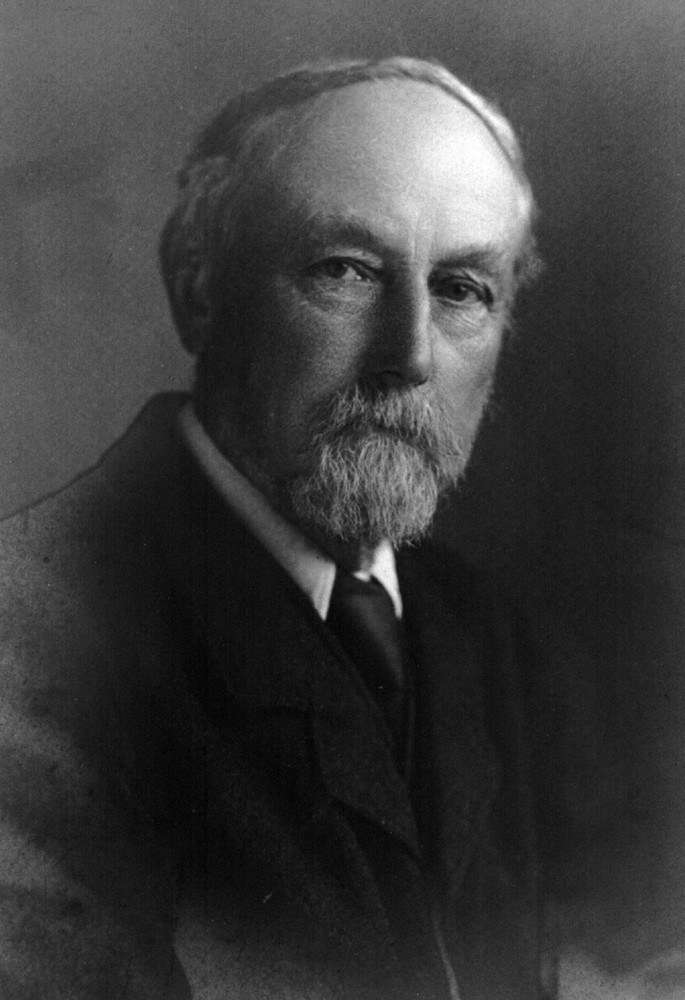
The facts
- Born
- 20 September 1851, Naini Tal, British India
- Died
- 19 April 1939
- Key book
- Animals' Rights: Considered in Relation to Social Progress (1892)
- Gandhi connection
- Shared a platform with Gandhi at a 1931 London Vegetarian Society meeting
Henry Stephens Salt was born in Naini Tal, British India, on 20 September 1851. He grew up in England, went to Eton, then returned to teach classics there before giving up the post to write full time. In 1892 he published Animals' Rights: Considered in Relation to Social Progress, one of the first books to argue explicitly that animals hold rights rather than simply deserve better treatment. Around the same years, a young Mohandas Gandhi, then studying law in London, came across one of Salt's vegetarian pamphlets in a vegetarian restaurant, read it, and later credited it with strengthening his own commitment to the diet. Decades later the two men shared a stage at a London Vegetarian Society meeting.
In their words
The day in the words of the people who were there. Every quote is verbatim, and every source links out so you can check it.
-
Gandhi encountered Salt's Plea for Vegetarianism in a London vegetarian restaurant, read it, and later wrote that the book strengthened his commitment to the diet.
Wikipedia, biography of Henry Stephens Salt
Source: Wikipedia -
Animals' Rights: Considered in Relation to Social Progress (1892) was among the first works to argue explicitly for animal rights, rather than only for improved animal welfare.
Wikipedia, biography of Henry Stephens Salt
Source: Wikipedia
Why it still matters
Salt's book gave the movement its first real philosophical spine, a rights argument rather than an appeal for mercy, and the reading list he handed a law student in London helped shape one of the century's most famous vegetarians.
Sources
This history is still being written.
Every morning the brief covers what moved veganism forward, and every day one more verified piece of that story joins this almanac. Free, and tomorrow’s lands in your inbox.
Free, every morning. No guilt. No preaching.