
On this day in vegan history · September 17, 1938
The Mad Cowboy Is Born
A fourth-generation Montana rancher who gave up meat after a spinal tumor scare went on Oprah in 1996, said cattle were being turned into cannibals, and got them both sued for it.
The facts
- Born
- September 17, 1938, in Great Falls, Montana
- Turning point
- A 1979 spinal tumor diagnosis pushed him toward organic farming, then veganism
- The lawsuit
- Texas cattlemen sued Lyman and Oprah Winfrey for business disparagement under the state's 1995 False Disparagement of Perishable Food Products Act
- The verdict
- A federal jury in Amarillo ruled for Winfrey and Lyman on February 26, 1998
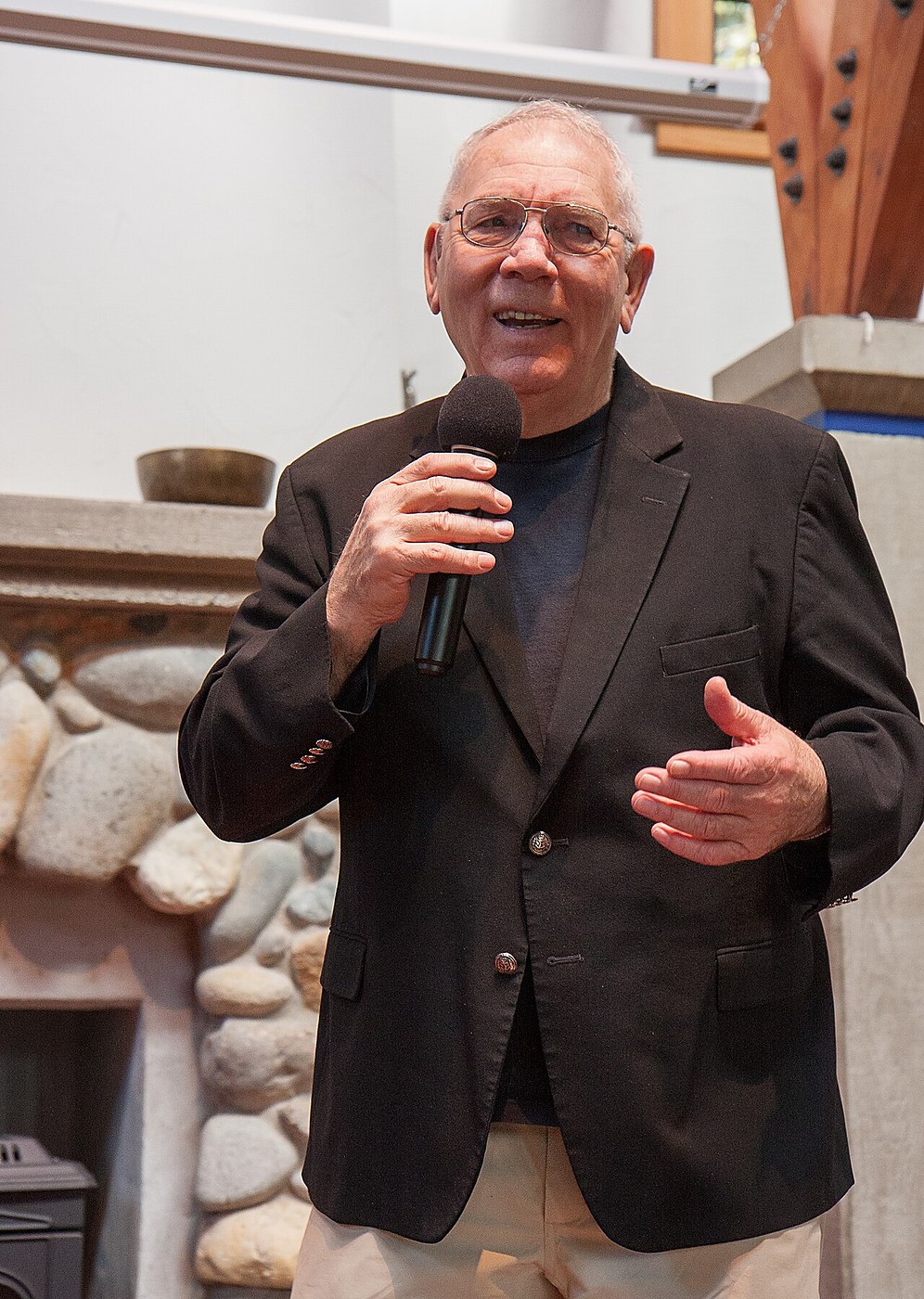
Howard Fenn Lyman was born September 17, 1938, in Great Falls, Montana, and spent two decades running a family operation that raised dairy cows, hogs, chickens, and beef cattle. A spinal tumor diagnosis in 1979 pushed him toward organic farming, and within a decade he had given up meat and dairy entirely, becoming a vegan and an animal-welfare advocate. On the April 1996 Oprah Winfrey Show, Lyman told Oprah that grinding up dead cattle and feeding the remains back to other cattle had turned herbivores into cannibals, and warned that mad cow disease could reach the United States. Oprah said the segment had stopped her cold from eating another burger, and Texas cattlemen sued them both for more than $10 million under the state's new 'veggie libel' law. A federal jury in Amarillo ruled unanimously for Winfrey and Lyman on February 26, 1998.
In their words
The day in the words of the people who were there. Every quote is verbatim, and every source links out so you can check it.
-
We've not only turned them into carnivores, we've turned them into cannibals.
Howard Lyman, on The Oprah Winfrey Show, April 1996
Source: McSpotlight (show transcript) -
It has just stopped me cold from eating another burger!
Oprah Winfrey, on The Oprah Winfrey Show, April 1996
Source: McSpotlight (show transcript)
Why it still matters
The trial made 'veggie libel' laws famous and tested how far a state could go to shield an industry from criticism. Winfrey and Lyman's win kept a rancher's warning about factory farming protected as speech, and the case still gets cited whenever a food company threatens to sue over unflattering coverage.
Sources
This history is still being written.
Every morning the brief covers what moved veganism forward, and every day one more verified piece of that story joins this almanac. Free, and tomorrow’s lands in your inbox.
Free, every morning. No guilt. No preaching.