
What Veganuary is, and what its numbers mean
Veganuary's own pages say it was co-founded by Matthew Glover and Jane Land in 2013, that the first campaign took place in January 2014 with around 3,000 people, and that it invites people to try a plant-based diet for 31 days each January. For 2026 the organisation reports roughly 30 million people worldwide chose to try vegan during the month.
That 30 million is an estimate, and Veganuary says how it got it: nationally representative surveys commissioned in twelve of its core campaign countries asked people whether they had taken part, and the results were scaled to each country's population. It counts people who report trying vegan in January, not sign-ups. The follow-up figure works differently. In its six-month survey of the 2025 cohort, Veganuary reports that 80% of the 2,115 people who answered had maintained a dramatic reduction in animal product consumption, and 32% were eating fully vegan. Those respondents came from 237,346 people who had received its 31 daily emails, so the result describes the people who replied, not everyone who tried.
The guide on why people quit covers the Faunalytics survey behind the list of reasons: dissatisfaction with the food came first, ahead of health concerns and social friction. The four weeks below are ordered to meet those in turn. In January, the daily Vegan Brief email carries one tip a day from this plan.
| Days | The job | Where to start |
|---|---|---|
| 1 to 7 | Swap what you already eat | What vegans eat in a day |
| 8 to 14 | Learn a few dishes you can repeat | How to make tofu taste good |
| 15 to 21 | Restaurants, sauces and other people | Ordering vegan at restaurants |
| 22 to 28 | Nutrition, starting with B12 | Vitamin B12 on a vegan diet |
| 29 to 31 | Decide what stays | How to go vegan without quitting |
Week 1, days 1 to 7: swap what you already eat
Most of a normal plate needs no change. Pasta, potatoes, rice, beans, fruit and peanut butter are vegan as sold, with a few specific caveats such as egg in fresh pasta. Breakfast is the meal built most around eggs and dairy, so start there: plain oats, peanut butter on toast, and cereal with a plant milk.
Then change the dairy case one job at a time. Name the job the dairy is doing (fat, protein, acid or melt) and replace that, and do the same for eggs with the four jobs an egg does. Pick one plant milk and test it in your coffee before buying more. Read one label top to bottom using the weight-order rule, and look up anything unfamiliar in Is it vegan?.
Week 2, days 8 to 14: learn a few dishes you can repeat
Food dissatisfaction led the Faunalytics reasons for quitting, and the usual fix is more skill, not a new ingredient. The target in the quitting guide is about ten meals you can cook without a recipe. Tofu is the obvious place to begin: freezing and a starch coating do most of the work. Tempeh and seitan are the two people give up on too early.
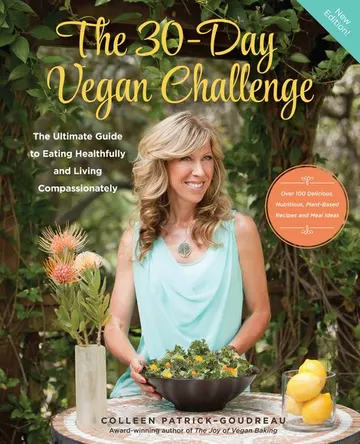
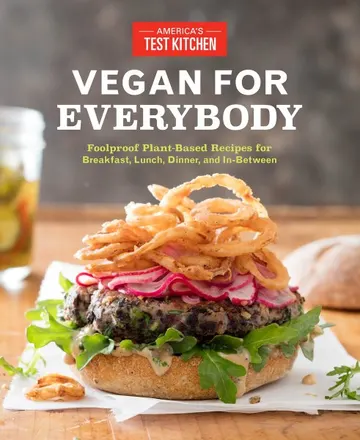
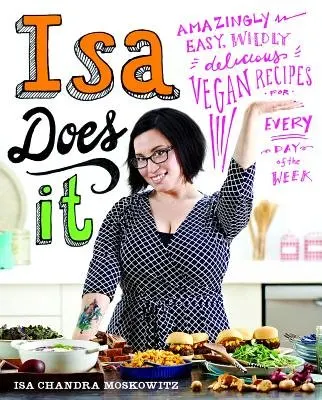
If the grocery bill worries you, compare by cost per 100 grams of protein instead of per pack. If bloating shows up, the gas is a fermentation effect of more fibre, and rinsing canned beans or soaking dried ones helps. A first cookbook can shorten this week; the beginner cookbook list and the weeknight and budget list are on the Vegan Bookshelf.
Week 3, days 15 to 21: restaurants, sauces and other people
Ask about one specific ingredient, such as the stock or the cooking fat, and skip announcing a diet. Ask when you book or sit down, before the order goes in. The guide on ordering has the wording, a list of dishes that sound safe and usually are not, and a map of which cuisines are easiest.
Sauces are where animal ingredients hide in a kitchen you control: a condiment fails vegan for one of four reasons. Before a party, decide where you stand on sugar, wine and beer so the question does not catch you at the table. If someone wants to argue, the objections guide has a section on how to have that conversation. Lead with what you are eating.
Week 4, days 22 to 28: nutrition
Start with B12, where the cited sources agree: the NIH fact sheet and the dietitians' position paper both say plant foods are not a reliable source, so the options are fortified foods or a supplement. Check whether your plant milk is fortified. For the rest, the supplements guide lays out where the evidence is settled and where it spreads out, and plant foods by nutrient ranks foods by realistic serving.
Vegan describes where ingredients come from, not how nutritious a product is; plant-based and animal versions of common foods are compared side by side. And if bloating has not eased after a month, or comes with pain, the guide says to raise it with a doctor. For anything specific to your health, that conversation matters more than a web page.
If you are buying a supplement
Paid links. We earn a commission if you buy through some links in this guide, at no extra cost to you. It never decides what we recommend.
-
B12: fortified food or a supplement
The B12 evidence page quotes the NIH Office of Dietary Supplements and the Academy of Nutrition and Dietetics: no plant food reliably supplies B12, so the choice is between fortified foods and a supplement.
-
For D3, find the source word, not just the letter
Cholecalciferol on its own defaults to lanolin in most manufacturing, so the label needs to say lichen, algae or plant source explicitly, or carry a vegan certification mark, before you can assume it is not sheep-derived.
Days 29 to 31: decide what stays
On the last days, look back at which reason for stopping you ran into: food, health, social friction, cost or motivation. The quitting guide ranks them and pairs each with a countermeasure. Keep the meals you cooked more than once, and rebuild the shopping list around a fixed set of staples, not recipes. Treat a slip as a data point. Veganuary also reports that 33% of its six-month respondents were eating at least 75% fewer animal products without being fully vegan, so staying partway is a common outcome of the month.