Ontario proposes a horse slaughter ban as cultivated meat yields jump
Ontario proposed banning horse, donkey and mule slaughter at provincially licensed plants, but horses can still be trucked through the province to slaughter, and comments close October 23.
4 top stories32 sources read140 articles scanned6 sides of vegan life
Ontario proposed banning horse, donkey and mule slaughter at provincially licensed plants, but horses can still be trucked through the province to slaughter, and comments close October 23 [101].
02
Ever After Foods and Roslin Technologies report 19 times the cultivated protein productivity of a stirred-tank benchmark, with commercial-scale validation still ahead [66].
03
Transport for London pulled Viva!'s "Next stop, the gas chamber" pig-gassing bus ads after a complaint, according to Viva! [94].
04
In the Vegan Society's own 2,000-person survey, 65% of Britons call factory farming unacceptable, in a sample where most respondents eat meat [124].
05
In a 40-cat trial BioCraft commissioned, cats split almost evenly between its cultivated mouse-cell treat and a chicken treat, with no statistically significant preference [68].
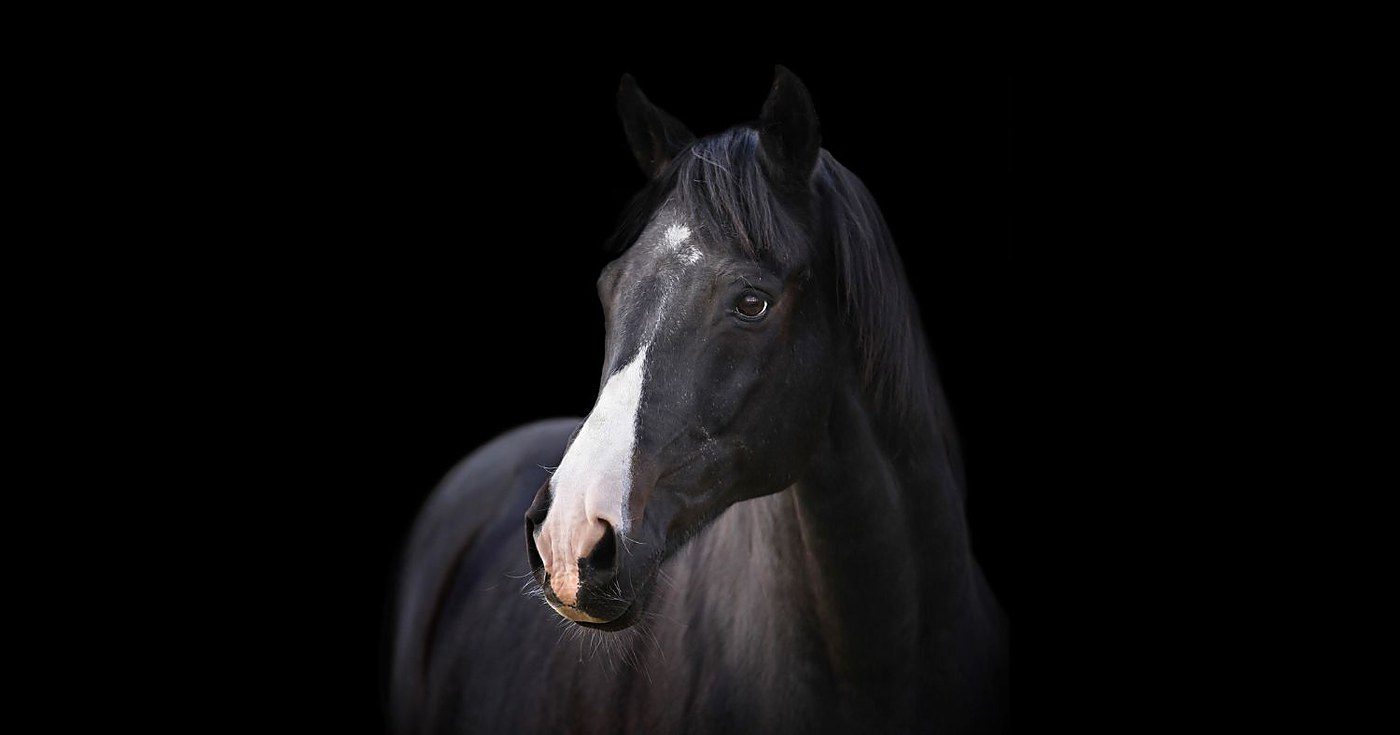
Ontario proposes ending horse slaughter at provincial plants but leaves transport to slaughter legal
Photo: animal justice
Ontario proposed amending regulations under its Food Safety and Quality Act to ban killing horses, donkeys and mules at provincially licensed slaughterhouses, and to bar those plants from processing meat from the animals, including meat arriving from federally licensed facilities [101]. Animal Justice welcomes the move but says horses can still be sold and trucked through Ontario to Canada's one remaining horse slaughterhouse in Quebec, or to feedlots and export flights bound for Japan [101]. Animal Justice says California, New Jersey and New York already outlaw the sale or transport of horses for slaughter [101].
“But there is a major loophole: horses can still be sold and transported within and through Ontario on their way to slaughter elsewhere.”
Animal Justice, Canadian animal-law advocacy group · [101]
By the numbers
28 hoursis the legal limit for transporting horses without food, water and rest, a limit Animal Justice and Japan-based Life Investigation Agency say export shipments frequently exceed [101]
95 percentof the nearly 4,000 horses in one Canadian transport-to-slaughter study came from just five US states, on median journeys of 15 to 36 hours [101]
WatchThe public comment period closes October 23, 2026, and Animal Justice is asking Ontario to add a ban on selling and transporting equines for slaughter [101].
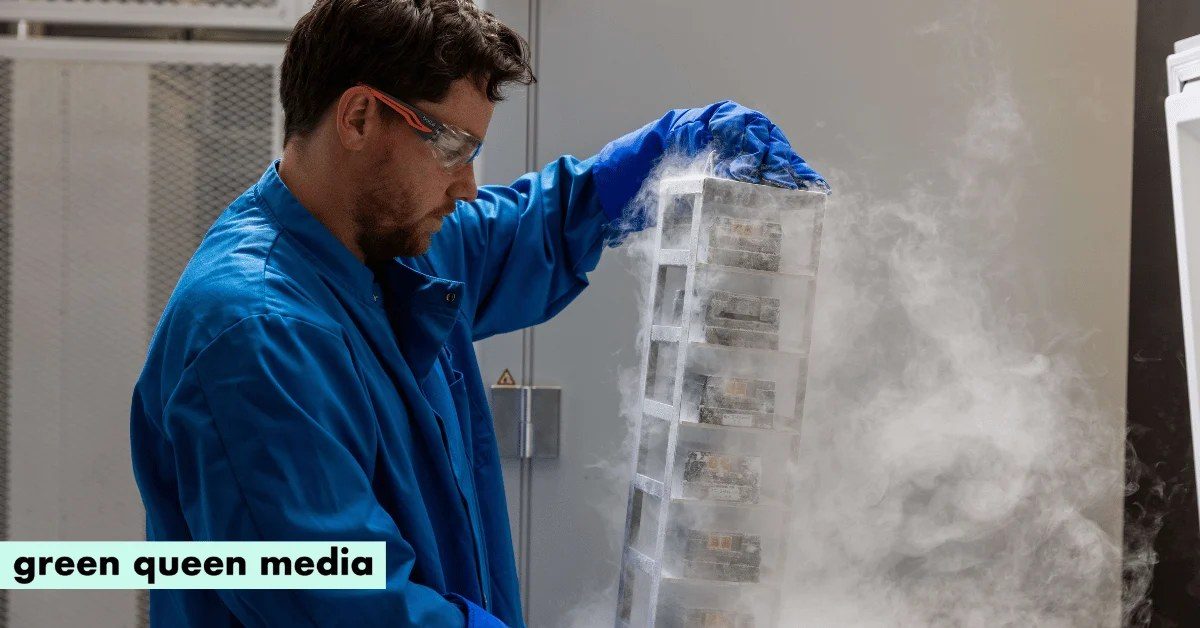
Ever After Foods and Roslin Technologies report 19-fold cultivated protein productivity gain
Photo: green queen
Israel's Ever After Foods grew Roslin Technologies' porcine stem cells as aggregates in serum-free media, then seeded them into its edible-scaffold bioreactor [66]. The companies report 19 times the cultivated protein and dry biomass productivity of a stirred-tank suspension benchmark, measured with the scaffold and media excluded [66]. The results are the firms' own, and Ever After says its next milestone is industrial-scale validation of a 200-litre system built with Bühler [66].
“These projections still need to be validated at commercial scale, but the productivity results provide strong evidence for a more economically viable manufacturing pathway.”
19xhigher cultivated protein and dry biomass productivity than the stirred-tank suspension benchmark, with 11 times higher wet biomass productivity [66]
150 million cells per mlreached in nine days, a 62-fold increase and five times the benchmark's cell density [66]
40gof cultivated protein per litre, alongside 326g of wet biomass and 57g of dry biomass, with the edible scaffold under 2% of the final product by weight [66]
FromGreen Queen
03▼Activism & AnimalsStory
Transport for London pulls Viva! pig-gassing bus adverts after a complaint
Photo: Viva! The Vegan Charity
Viva! says Transport for London decided to remove its month-long adverts on dozens of buses serving Uxbridge and West London, after Jewish News reported a complaint that some passengers took offence at the words "gas chamber" [94]. The charity says it never meant a comparison with the Holocaust and chose the words because pigs are lowered into chambers filled with carbon dioxide [94]. Uxbridge was the target because Pilgrim's Europe, one of the UK's biggest pork producers, is based there, Viva! says [94].
“The advert was never intended to cause offence to members of the Jewish community.”
90%of the ten million pigs farmed in the UK each year are killed in carbon dioxide gas chambers, according to Viva! [94]
81%of the British public oppose CO₂ slaughter of pigs, a figure Viva! cites without naming its source [94]
Since 2003the government's Animal Welfare Committee has recommended ending the practice, Viva! says [94]
FromViva! The Vegan Charity
04▲Wins & CultureStory
Vegan Society survey finds 65% of Britons call factory farming unacceptable
Photo: plant based news
The Vegan Society's Empathy Index, a nationally representative survey of 2,000 people, asked about farming animals for food for the first time this year [124]. The society, which ran the survey itself, calls the result striking given that most respondents eat meat [124]. Against its 2024 survey, more people called many forms of animal use unacceptable, though slightly fewer found fur unacceptable [124].
By the numbers
65%called factory farming unacceptable, against 23% who said the same of organic animal farming [124]
82%of respondents identify as meat-eaters, while 85% describe themselves as animal lovers [124]
60%call greyhound racing unacceptable, up from 55% in 2024 [124]
70%call wearing fur unacceptable, down from 71% in 2024 [124]
FromPlant Based News
Worth Knowing
Food & Recipes
One Planet Pizza's first ready meals (Tofu Tikka Masala with 24g of protein, Mac & Cheeze, and Veg & Lentil Ragù Lasagne) reached 276 Asda stores on 12 October at £3.85 each [51].
Former Manchester United defender Chris Smalling said in his FC Porto introduction video that he has been vegan for nearly ten years, and in 2019 told PETA that animal welfare is what made it his lifestyle [49].
Innovation
An APAC Regulatory Coordination Forum paper proposes lab analysis and existing food-safety data as the route to cultivated meat approval, as an alternative to the long-term feeding studies South Korea and Thailand require, one of which costs about $213,400 and can take more than a year [75].
The Scottish National Investment Bank put £2.5M ($3.3M) into MiAlgae's Grangemouth plant, which will ferment whisky waste into fish-free omega-3 [69].
LIVEKINDLY Collective closed its purchase of Dutch private-label maker Dalco Food from Hilton Food Group, which put the price at £5.4 million when the deal was signed in July [73].
Activism & Animals
A 1,628-person US vignette study rated traditional eggs above plant-based eggs on every trait except environmental impact and animal welfare, yet people who had tried plant-based eggs were much more likely to say they would buy them, and no participant tasted anything [89].
One Good Thing
Julie spent more than 40 years performing with the Victor Hugo Cardinali circus, retired in 2024 when Portugal's ban on wild animals in circuses took full effect, and then waited until July for somewhere to go [123]. She is now the first resident of Pangea Elephant Sanctuary, a 1,000-acre refuge in Portugal's Alentejo region, where she takes dust baths, digs, eats apples and onions, and feels safe enough to lie down for a mud bath [123]. Pupils at Wenhaston Primary School in Suffolk adopted her, and eight-year-old Zoe's verdict on circuses was blunt: "Lots of people used them for entertainment, but it’s not very good to do that" [123]. A second elephant, Kariba, is expected to join her this year [123].




 Animal Justice