On this day in vegan history · June 1, 2018
The Farm Study That Redrew the Diet Debate
Two researchers pulled data from nearly 40,000 farms and found that even the greenest steak still loses to the dirtiest bean.
The facts
- Published
- Science, vol. 360, issue 6392, pages 987-992, June 1, 2018
- Data scale
- 38,700 farms and 1,600 processors, packaging types, and retailers
- Authors
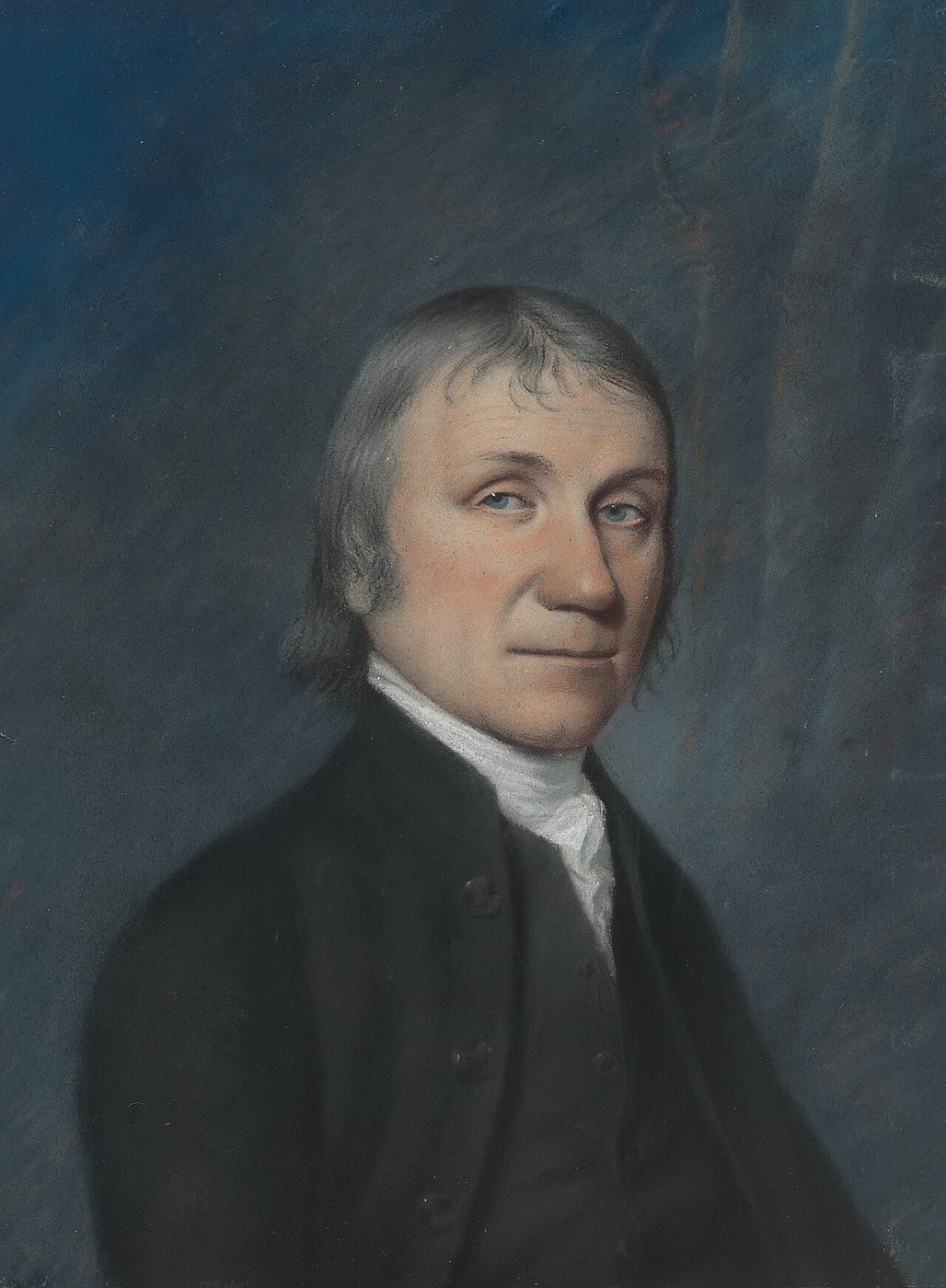
- Joseph Poore (University of Oxford) and Thomas Nemecek (Agroscope, Switzerland)
- Range found
- Impacts varied up to 50-fold among producers of the same product
On June 1, 2018, Science published an analysis by Joseph Poore of the University of Oxford and Thomas Nemecek of Agroscope in Switzerland, built from data on 38,700 farms and 1,600 processors, packaging operations, and retailers around the world. They measured five environmental indicators, including land use, water use, and greenhouse gas emissions, across the full supply chain for dozens of foods. The headline finding was not just that animal products cost more than plants on average. It was that the lowest-impact meat and dairy still typically outweighed the lowest-impact plant substitutes, which meant no amount of careful sourcing could close the gap. The paper became a reference point for arguing that cutting animal products, not shopping more carefully for them, is what actually reduces the damage.
In their words
The day in the words of the people who were there. Every quote is verbatim, and every source links out so you can check it.
-
Most strikingly, impacts of the lowest-impact animal products typically exceed those of vegetable substitutes, providing new evidence for the importance of dietary change.
Joseph Poore and Thomas Nemecek, abstract of "Reducing food's environmental impacts through producers and consumers," Science, June 1, 2018
Source: PubMed -
A vegan diet is probably the single biggest way to reduce your impact on planet Earth, not just greenhouse gases, but global acidification, eutrophication, land use and water use
Joseph Poore, quoted in coverage of the study's release, June 1, 2018
Source: EcoWatch
Why it still matters
It gave the diet-and-climate argument a number instead of a vibe: not "meat is bad," but a 50-fold spread between producers and a floor that even the best animal farming couldn't get under. Nine years on it is still the study cited whenever someone claims sustainable meat closes the gap with plants.
Sources
This history is still being written.
Every morning the brief covers what moved veganism forward, and every day one more verified piece of that story joins this almanac. Free, and tomorrow’s lands in your inbox.
Free, every morning. No guilt. No preaching.