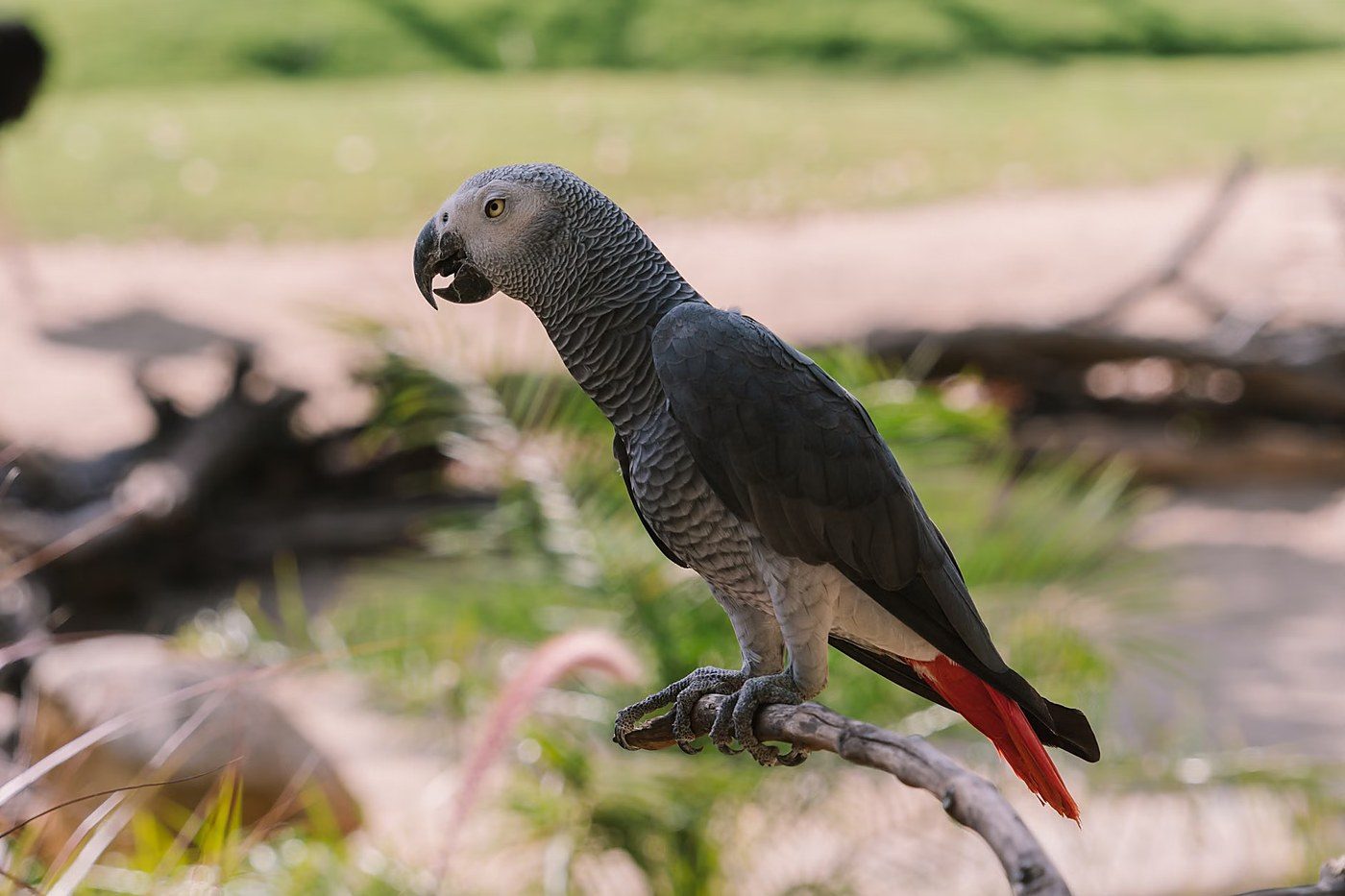
A European Commission study opens a legal route to regulating which exotic animals Europeans can keep, though a full list is not on offer yet [69].
02
University of Aberdeen modellers project bigger health and land payoffs from GLP-1 drugs when diets also move toward plants [71].
03
A cultivated meat investment simulation returned a bleak baseline for every business type it tested, and its authors call the results hypothetical [16].
04
Most respondents in a Saudi Arabian survey want minimum legal standards for farmed animals, even as meat stays hugely popular [64].
05
Aston University scientists boosted a bee-free honey's antibacterial punch in lab cultures by borrowing chemistry found in mānuka [49].
The Stories: the day’s biggest developments, in the sources’ own words
01▬Law & PolicyStory
European Commission study finds a legal basis for an EU exotic pet list
Mikhail Nilov (via Pexels)
A new European Commission feasibility study confirms a legal basis for an EU-wide list setting out which animal species may be traded and kept as pets, according to Eurogroup for Animals [69]. The study says current evidence does not justify a comprehensive list covering all animal groups, but it recognises that one could be introduced in stages [69]. For now, an animal that can legally be sold in one member state may be banned in another [69].
“The feasibility study provides the foundations for progress. It must not become an excuse for further delay.”
Eurogroup for Animals, which is campaigning for the list · [69]
“as restrictions are introduced for certain species, trade can simply shift towards less regulated and often less studied animals”
Eurogroup for Animals, on the gap in the current system · [69]
From<strong>Latest</strong> news
02▲Research & NutritionStory
Aberdeen study projects bigger GLP-1 health and land gains with more plants
Photo: foodnavigator
University of Aberdeen researchers modelled how wider use of GLP-1 drugs could change food demand, health and land use by 2050 [71]. The benefits were greatest when lower calorie intake came with a shift toward the EAT-Lancet diet, which means less red and processed meat and more plant foods [71]. These are simulations, and the authors warn that cheaper food could bring rebound effects that eat into the environmental gain [71].
“could include higher consumption of animal products, increased waste, and the reallocation of savings to other goods and services”
Study authors, on rebound effects from lower food prices · [71]
By the numbers
7.7 millionavoided deaths projected worldwide in 2050 with GLP-1 use plus the diet shift, against up to 6.6 million from calorie reduction alone [71]
46 million hectaresof additional natural land projected with the diet shift, against 32 million hectares without it [71]
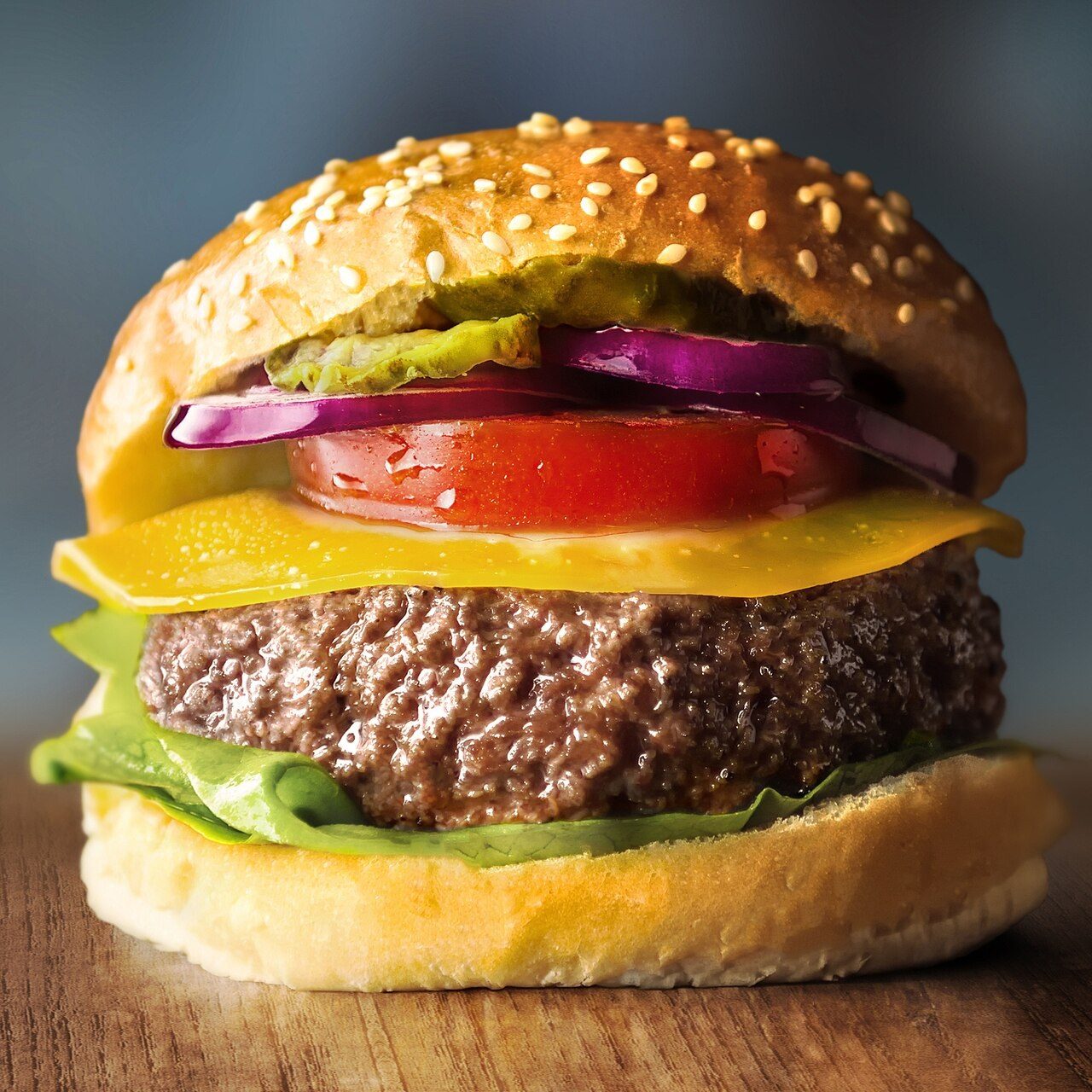
Investment simulation finds no cultivated meat business type with positive expected value
Wikimedia Commons / Cultured meat
Researchers built a decision tool to stress-test nine kinds of cultivated meat investment, and none had a positive expected net present value in the baseline run [16]. Suppliers of growth media and of analytics and quality assurance ranked highest under four investor profiles, while whole-cut producers came last under all of them [16]. Some inputs are analyst assumptions, so treat the output as a map of risk with plenty of room for revision [16].
“The outputs are hypothetical simulations, not calibrated predictions; the model is a transparent framework for expert calibration.”
USD -93 millionexpected net present value for a whole-cut producer, compared with -5 million for media and growth-factor supply [16]
1.2 to 15.6 timesthe forecast 2032 market is what it took to turn expected value positive, depending on business type, absent an optimistic technology path [16]
eight of ninebusiness types lost value under unconditional commitment after technical proof, a loss a first-gate stop rule would shrink to the Stage-1 outlay [16]
Survey finds Saudi respondents back farmed animal protections while embracing meat
Photo: faunalytics
Animetrics and the Middle East Vegan Society surveyed adults in Saudi Arabia through Ipsos in September 2025, and Faunalytics has summarized what they found [64]. Only about one in ten respondents identified as reducetarian, pescatarian, vegetarian or vegan [64]. Belief in animal sentience and awareness of industrial farming's wider harms were strong predictors of openness to plant-based eating and support for advocacy groups [64].
By the numbers
Roughly 80%agreed farmed animals should have legal minimum standards for space, veterinary care, food and water, below the 87% to 90.5% found elsewhere in the region [64]
About 70%held positive overall views of plant-based diets [64]
35.5%specifically agreed that farmed animals can feel pain, while 65% believed they can feel positive emotions [64]
FromFaunalytics
Worth Knowing
Food & Recipes
Blend cashews, pitted dates, vanilla bean, nutmeg and water for VegNews' five-ingredient eggless nog [31].
Research & Nutrition
A preprint trial of Helaina's precision-fermented human lactoferrin plus low-dose iron missed its main target, with no ferritin change among women with low levels, and the company-sponsored study had no placebo arm [22].
Activism & Animals
A freshwater catfish and a shrimp both learned a two-choice task in an Animal Cognition study, but only the fish mastered the reversed version within 200 trials [65].
Chiang Huang-nu, an 83-year-old former sugar factory worker, is on today's ballot for a Kaohsiung city council seat with one policy: protect the Ciaotou Woodland [60].
Innovation
Nutrition studies with meat industry ties were 16 times more likely than independent ones to reach favorable conclusions about meat, according to a 2026 review of 500 studies cited by Faunalytics' Liz Wheeler [53].
South Korea's SeaWith will distribute IntegriCulture's cell-cultured cosmetic ingredient Cellament, which is still animal-derived: it comes from the culture fluid of cells grown from chicken egg membranes [51].
One Good Thing
A female humpback called Shima has returned to feed in Argentina's Beagle Channel for eight consecutive years [62]. A local initiative has identified 208 humpbacks there since 2013, in waters where sightings had been declining for decades [62]. Researchers say the comeback may reflect the long reach of commercial whaling bans, and Shima keeps showing up for lunch [62].
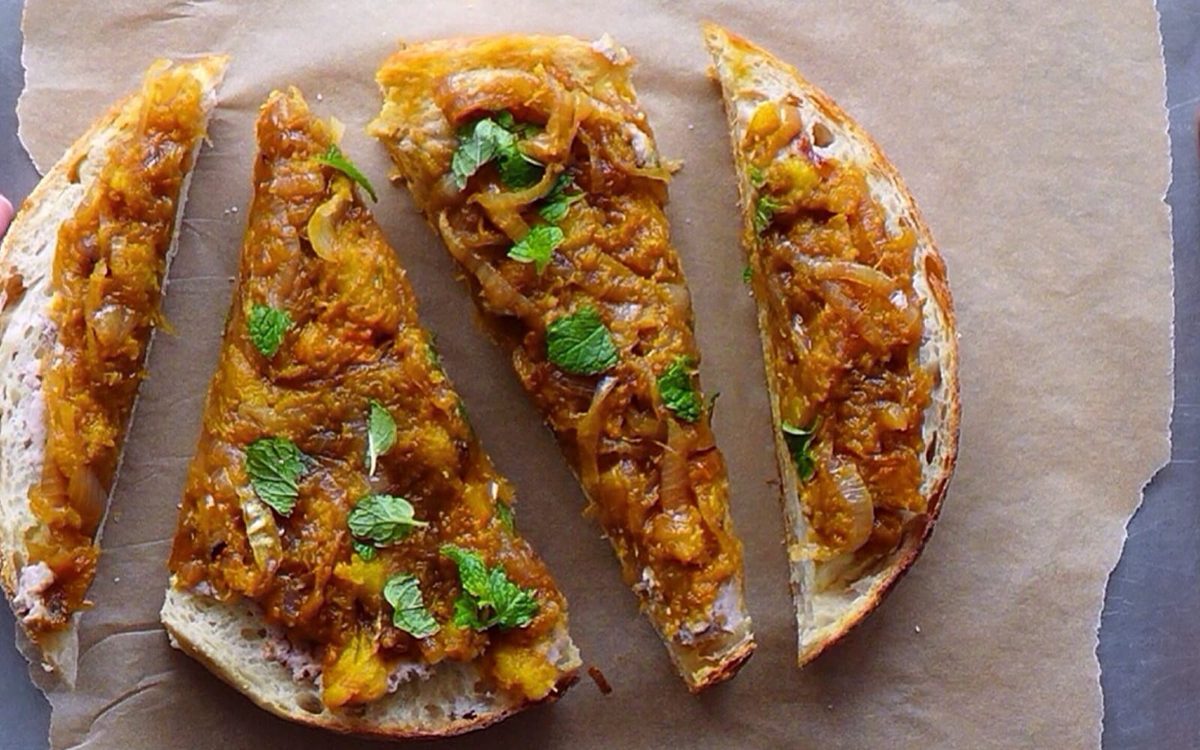
Caramelized fiesta squash and jammy maple-vinegar onions create a sweet and savory topping for gluten-free sourdough, complemented by a creamy cannellini bean.
30 min10 servings11 ingredients
See the ingredients
1 fiesta squash (about 1 1/2 pounds), peeled, seeded, and cut into 1/2-inch cubes
1/4 cup olive oil, divided
1/4 teaspoon dried chili flakes
Salt and pepper, to taste
1/4 cup apple cider vinegar
1 large yellow onion, halved and thinly sliced
1/4 cup maple syrup
1/2 15-ounce can cannellini beans,rinsed and drained





 <strong>Latest</strong> news