Denmark ends mink farming; GFI lays off staff; coffee and dementia
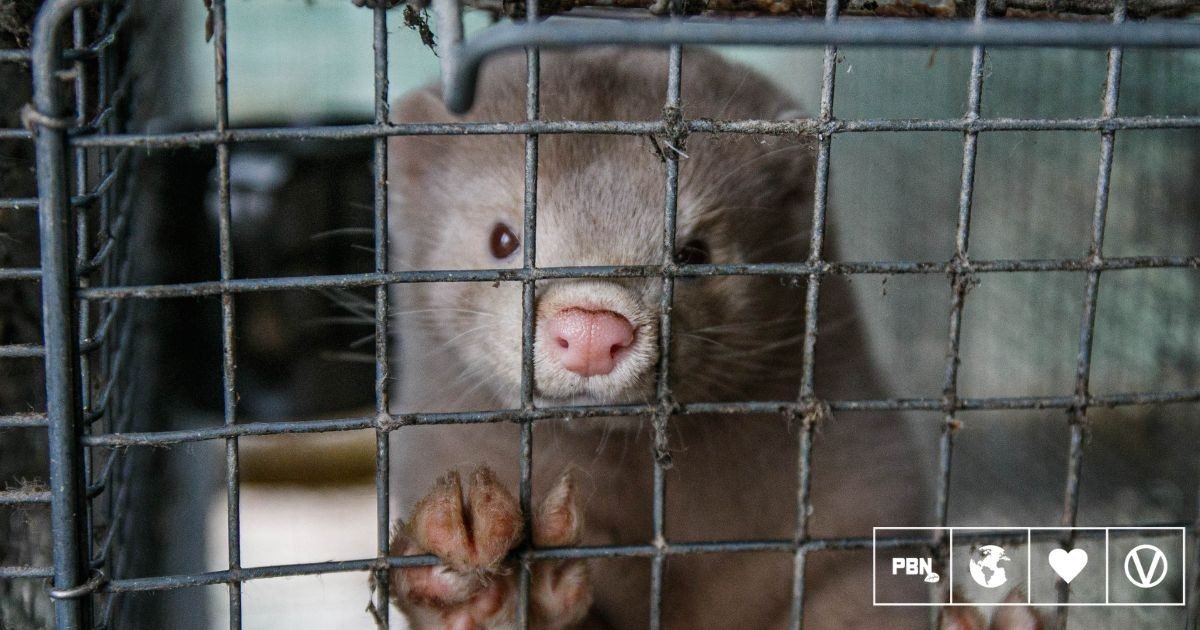
Denmark dropped its bid for an exemption and is expected to close its seven remaining mink farms by August 2029, ending fur farming in what was once the world's largest mink-skin producer.
3 top stories11 sources read39 articles scanned6 sides of vegan life
Denmark dropped its bid for an exemption and is expected to close its seven remaining mink farms by August 2029, ending fur farming in what was once the world's largest mink-skin producer. [24]
02
The Good Food Institute laid off six US employees and cut seven vacant roles after spending more than it raised, so the alt-protein funding winter has now reached the advocacy nonprofits. [19]
03
Two to three cups of caffeinated coffee a day was linked to lower dementia risk in a 43-year US cohort; that is an association, not proof. [2]
04
A review says microbial fermentation could supply health-relevant fatty acids scarce in plant-based diets, but commercial hurdles remain, and two of its authors work for the yeast maker Lesaffre. [4]
The Stories: the day’s biggest developments, in the sources’ own words
01▲Law & PolicyStory
Denmark drops its exemption bid and will close its last seven mink farms by August 2029
Photo: plant based news
Denmark is expected to join the EU's mink-farming ban after its government chose not to seek an exemption, Plant Based News reports, and its seven remaining mink farms must close by August 2029 [24]. Nature Minister Christian Rabjerg Madsen said the decision came down to animal welfare, as reported by the BBC [24]. We flagged the exemption question on October 27, and this answers it.
“A business should not continue just because it has existed for a long time. It should also make sense for society, for the economy, and for the animals.”
Christian Rabjerg Madsen, Danish Nature Minister · [24]
“Mink farming is one of the most animal-hating productions we know of.”
Britta Riis, director of Dyrenes Beskyttelse, the Danish Society of Animal Protection · [24]
By the numbers
7mink farms remain in Denmark and must close by August 2029 [24]
Good Food Institute lays off six US staff and cuts seven vacant roles after years of overspending
Photo: cultivated meat news
The Good Food Institute, a nonprofit that promotes plant-based and cultivated meat, laid off six US employees and eliminated seven vacant positions, Cultivated Meat News reported exclusively [19]. GFI says it has spent more than it raised in recent years and drawn on reserves to cover the gap [19]. Interim CEO Rachel Lichte announced the cuts, and senior VP Sheila Voss resigned [19].
“Businesses might not feel they need us now, but in the next three, four, five years’ time, they very much will.”
Kate Cawley, Future Food Movement founder, recalling what startup founders in its Catalysts group told her · [18]
By the numbers
6US employees laid off and 7 vacant positions eliminated [19]
about 5%of the US team's 110 employees affected [19]
$56 billion to $16 billionis the fall in agrifoodtech startup venture funding from the 2021 peak to last year, per AgFunder data (a wider pool than alt protein) [18]
Caffeinated coffee linked to lower dementia risk across 43 years of US cohort data
Photo: sciencedaily
A JAMA study that followed the Nurses' Health Study and the Health Professionals Follow-up Study for up to 43 years found higher caffeinated coffee intake was associated with lower dementia risk [2]. Tea showed similar associations, decaffeinated coffee showed none, and the strongest signal sat at about 2 to 3 cups of coffee or 1 to 2 of tea a day [2]. The result is observational, so other differences between coffee drinkers and abstainers could contribute, and drinking beyond that range did not appear to add protection [1].
By the numbers
141 vs 330dementia cases per 100,000 person-years, highest versus lowest quartile of caffeinated coffee intake [2]
0.82hazard ratio for dementia in the same comparison (95% CI 0.76 to 0.89) [2]
7.8% vs 9.5%reported subjective cognitive decline, highest versus lowest quartile [2]
FromPrimary SourcesNutrition Research News -- ScienceDaily
Worth Knowing
Wins & Culture
Plate pick: Isa Chandra Moskowitz's one-pot miso stew puts red potatoes, baby carrots and kale in a thyme-and-bay broth, with seared tofu and red miso stirred in at the end, from The 29-Minute Vegan. [25]
ProPublica found an H5N1 outbreak had run uncontrolled on a Utah mink farm for two months, with officials prioritizing the fur industry's needs. [24]
Matcha shopping in the UK: Oatly's Matcha Latte is £2.95 for 1L at Tesco and Sainsbury's, while Tesco's own Finest Matcha Oat Latte is labeled only "suitable for vegetarians" and "may contain milk." [26]
Food & Recipes
High midlife intakes of fiber and high-quality carbohydrates from whole plant foods were linked to a six to 37 percent greater likelihood of healthy aging in a Nurses' Health Study analysis in JAMA Network Open, which cannot confirm causality. [13]
McDonald's said no further McPlant expansions were planned, citing "underwhelming" sales, so VegNews rounds up the chains whose vegan burgers do exist. [11]
Research & Nutrition
A review of food-derived umami peptides says alternative proteins and cultivated meat need savory flavor with less salt, and that lab-predicted peptides still need replicated food trials on dose, off-flavors and cost. [6]
One Good Thing
At a Future Food Movement roundtable on supply-chain risk, Sophie Bauer of WWF-UK offered one recovery story to balance a grim wildlife number. Atlantic bluefin tuna, once down 80% from overfishing, has come back through private sector action alongside governments and local communities [18]. It is one species and one panelist's account, but a fish population that turned around is a rare line to end a food-system briefing on.