ETH Zürich food engineers turned pureed lentils and beans into a fibrous, meat-like texture using nothing but heat and a home freezer [72].
02
A 12-week randomized trial found a self-selected vegan diet without exercise cut older adults' muscle mass, a loss resistance training reversed [6].
03
UNC researchers found the oxalate in spinach, almonds, and sweet potatoes may inflame some IBD patients' guts differently than healthy ones, not a reason to quit plants [1].
04
A meta-analysis of seven prospective studies found vegans carry 23% lower total cancer risk than non-vegetarians [24].
The movement today▲Innovation▬Research & NutritionThe storylines →
The Stories: the day’s biggest developments, in the sources’ own words
01▲InnovationStory
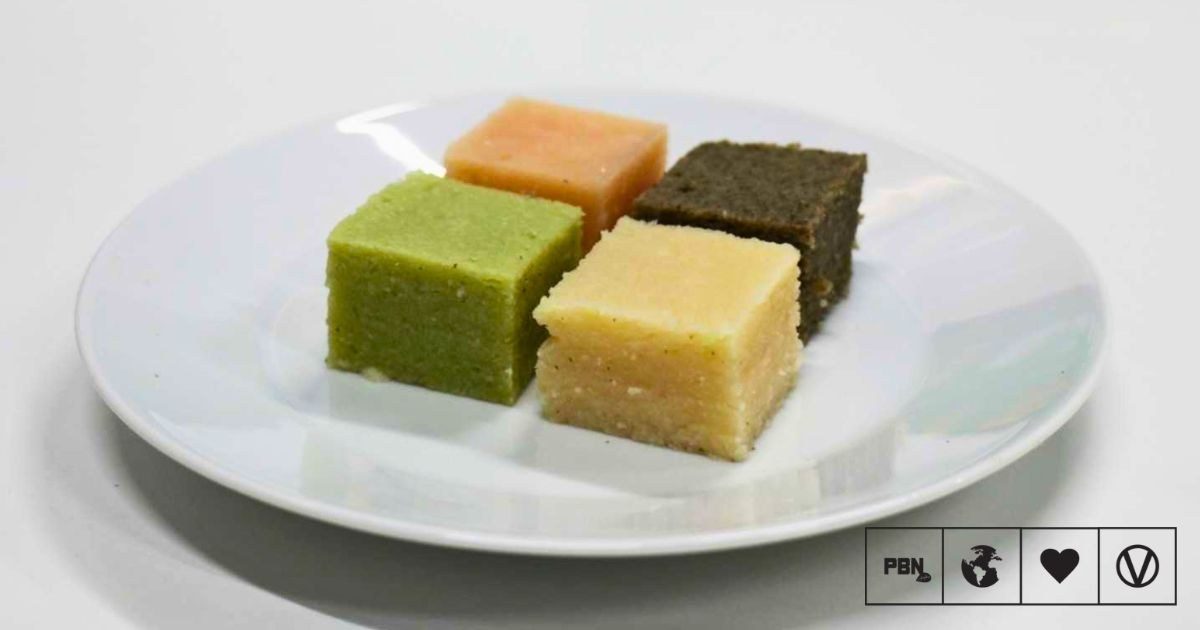
ETH Zürich turns lentils into fibrous meat texture with a household freezer
Photo: plant based news
Food engineers at ETH Zürich, led by professor Patrick Rühs, published a method in npj Science of Food that turns pureed lentils, peas, and beans into a fibrous, meat-like texture using nothing but heat and a household freezer [72]. The technique, directional freezing, forms parallel ice crystals that leave long fibers behind once the gel thaws, mimicking the muscle-fiber structure that gives meat and fish their chew [72]. PhD researcher Andrea Bach says the method works with legume species covering most of the world's legume production, and red lentils, black lentils, and mung beans produced the strongest fibers [72].
“During chewing, a directional, fibrous structure provides a distinctive bite that is familiar to – and enjoyed by – many people from meat or fish.”
Patrick Rühs, professor of food structure engineering, ETH Zürich · [72]
“This method is so simple that it can be performed easily by anyone in a household kitchen.”
Andrea Bach, PhD student in Food Structure Engineering, ETH Zürich · [72]
By the numbers
96%of global legume production is covered by species the freezing method works with, per the researchers [72]
FromPlant Based News
02▬Research & NutritionStory
Vegan diet without exercise cuts muscle mass in over-65s in new trial
Engin Akyurt (via Pexels)
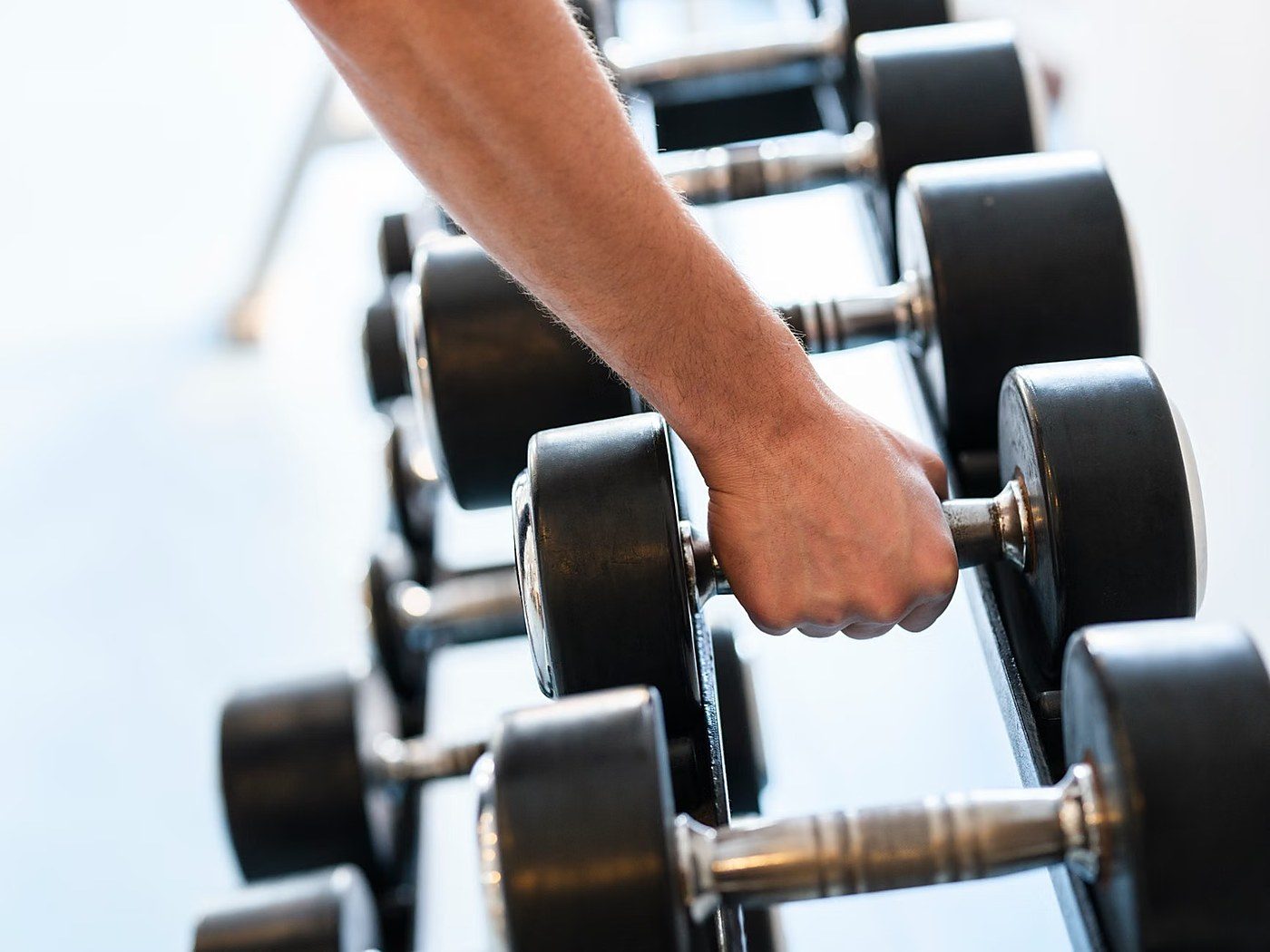
A 12-week randomized trial out of Wageningen and Maastricht universities put 72 healthy adults over 65 on a self-selected vegan diet, their usual omnivorous diet, or a vegan diet paired with resistance exercise, then scanned their thighs and tracked muscle protein synthesis [6][12]. The vegan-only group cut its protein intake and lost real muscle, while the group that added resistance training held onto most of it [6]. The result doesn't indict plant protein itself: earlier trials in younger adults found mycoprotein- and legume-based vegan diets matched omnivorous diets for building muscle [7][8].
By the numbers
-27.7 g/daverage protein-intake drop within the first week on the self-selected vegan diet, compared with no significant change on the omnivorous diet [6]
-1.15 kgappendicular lean mass lost over 12 weeks on the vegan diet alone, versus a small gain on the omnivorous diet [6]
-0.35 Lthigh muscle volume lost when resistance exercise was added to the vegan diet, versus -0.61 L lost on the vegan diet without exercise [6]
FromPrimary SourcesPubMed
03▬Research & NutritionStory
UNC study finds oxalate in healthy plant foods may worsen IBD inflammation
Photo: sciencedaily
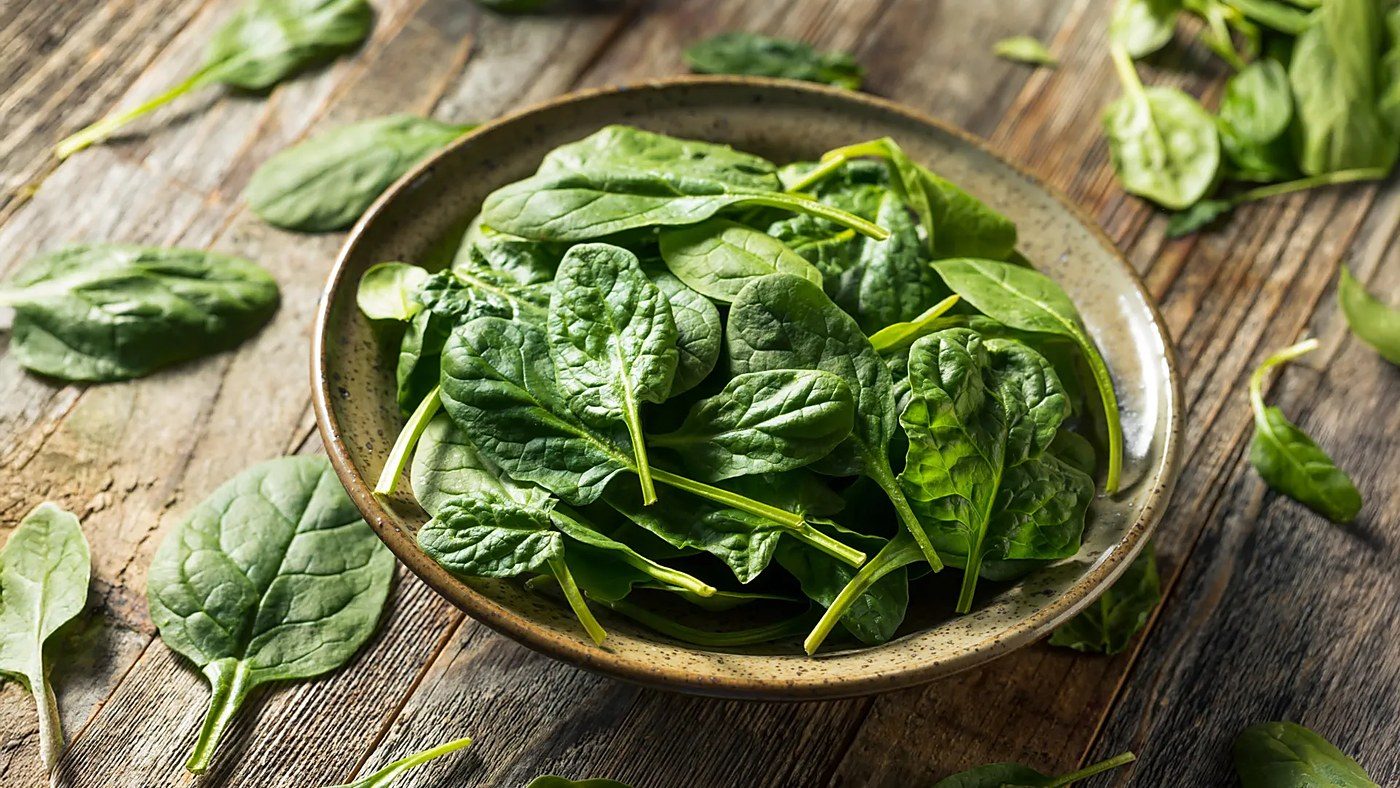
Researchers at the University of North Carolina found that people with Crohn's disease or ulcerative colitis carry consistently lower levels of two gut proteins that clear dietary oxalate, a compound found in every plant food including spinach, almonds, and sweet potatoes, whether or not their gut is actively inflamed [1][3]. Crohn's patients had significantly more oxalate in their stool than healthy people eating similar amounts of plant food, pointing to a biological difference in how their gut handles it rather than what they eat [1][3]. Lead researcher Anna Salvador says the findings don't call for cutting plant foods, only for oxalate-aware diets in genetically susceptible IBD patients [1].
“For the first time, we observed that IBD patients and healthy controls were eating similar amounts of plant-based foods yet CD patients still had more oxalate in their stool.”
Anna Salvador, PhD, RD, postdoctoral researcher, UNC School of Medicine · [1]
By the numbers
60%lower survival rate in mice fed an oxalate-supplemented diet alongside a colitis-inducing agent, compared with mice given no added oxalate [1]
75%of patients with low expression of the SLC26A6 oxalate transporter had the more severe, stricturing form of Crohn's disease [1]
FromNutrition Research News -- ScienceDailyPrimary Sources
Worth Knowing
Wins & Culture
Cook this weekend: a Lebanese moghrabieh soup swaps chicken for roasted cauliflower, chickpeas, and tempeh, from The Vegan Middle Eastern Cookbook [73].
Grab-and-go lunch idea: Wil Yeung's caramelized-tofu vegan sushi burrito, rolled with avocado and spicy mayo [74].
Research & Nutrition
A meta-analysis of seven prospective studies found vegans carry 23% lower total cancer risk than non-vegetarians, with breast cancer risk down 20% [24].
Plant-based diets tied to 26% lower risk of cognitive impairment and dementia in a pooled analysis of more than 221,000 adults [29].
Healthful plant-based diets linked to 17-23% lower liver cancer risk in a meta-analysis, but the least healthful plant-based diets raised breast cancer risk 3% [22].
A whole-food, plant-based diet cut LDL cholesterol 17.9% compared with a standard American diet in adults with a genetic high-cholesterol disorder [19].
A vegan Mediterranean diet beat a traditional Mediterranean diet on LDL, triglycerides, and pain scores in a small fibromyalgia trial [16].
A vegan multinutrient supplement significantly raised omega-3 index and vitamin D levels in young vegans, with no added benefit from doubling the dose [10].
Plant-based dietary patterns lowered C-reactive protein, an inflammation marker, by roughly 1 mg/L across seven clinical trials, though the evidence was rated low-certainty [25].
A processed plant-based meat diet cut TMAO, a cardiovascular risk marker, compared with a red meat diet in a randomized crossover trial [26].
Renaming a menu's plant-based option so it doesn't mirror the meat dish by name pushed plant-based selection up to 44.6%, from 37.4% when the names matched [27].
Activism & Animals
Scientists in Sri Lanka confirmed Mus dumbara, a new spiny mouse species found only in the Knuckles mountain range, after more than two decades of genetic analysis [68].
One Good Thing
The nicest vegan news today has nothing to do with a lab. It Doesn't Taste Like Chicken published a fresh batch of 50-plus bean recipes this week, the kind of unglamorous, thirteen-years-in-the-making know-how that keeps a movement fed: pizza beans, chickpea salad sandwiches, and the reminder that a can of chickpeas holds a free egg replacer in its liquid [58]. No funding round, no ruling, just someone who has done this a long time making it a little easier to eat well tonight.